

Organic Fertilizers Newsletter
Newsletter
Organic Fertilizers
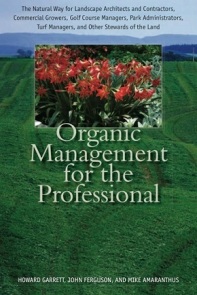
All my books explain why organic fertilizer is better but this latest book explains it in the greatest detail.
This is from Utah State University Cooperative Extension:
A common misconception is that organic fertilizers are safer for plants and the environment than inorganic (chemical) products. Improper organic fertilizer application can also contribute to surface and ground water pollution, may induce a plant nutrient deficiency or toxicity, or cause salt burn. Properly used, both organic and inorganic fertilizers are safe for plants and the environment. The purpose of this guide is to provide general selection and use information for organic fertilizers.
Most of you know that I give the universities around the country, and in other countries for that matter, a hard time about being so negative about organics. Some think I’m over-the-top and unfair in my criticisms. The Aggies and Texas Tech people really carp about my criticism of Texas schools. The above quote is quite common and provides the essence of the debate. Status quo educators and industry people don’t understand the difference and are highly resistant to change even if they do understand.
Being safer for plants and the environment is right but not the main point. What’s more important is that organic fertilizers work better in every way. It’s true they don’t volatize into air pollution, wash away easily or leach down to the water stream, but there’s more. Organic fertilizers and amendments build the health of the soil so that plant production never dips but instead gets better and better and volume needs of fertilizer actually go down. Plants under organic production have larger and stronger root systems and are much more efficient at getting the proper nutrients, trace minerals and enzymes into the plants. As a result, plants have a better supply of complex carbohydrates and that relates to stress control and taste in food. Another great advantage of organic fertility is a 50% reduction in irrigation needs. Plus, organic gardening is just more fun.