

Red Canadian Chokecherry
Common Names: Chokecherry, Red Canadian Chokecherry, Purpleleaf Chokecherry
Botanical name: (Prunus virginiana)
: Rosaceae

Height: 20 to 30 feet
Spread: 15 to 20 feet
Bloom Time: April – May
Bloom Color: White
Sun: Full sun to part shade
: Dry to medium moisture
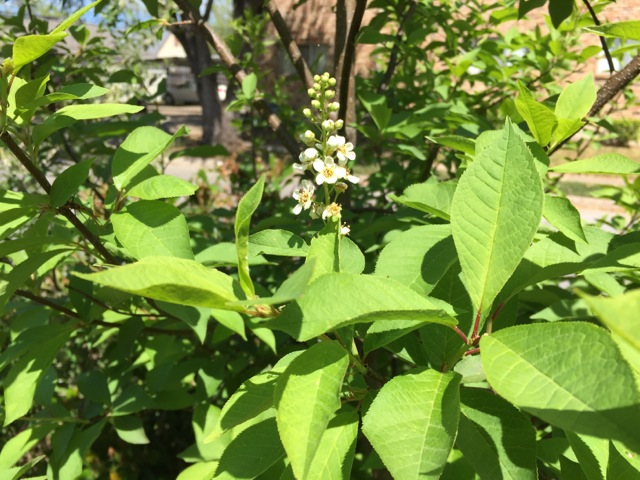
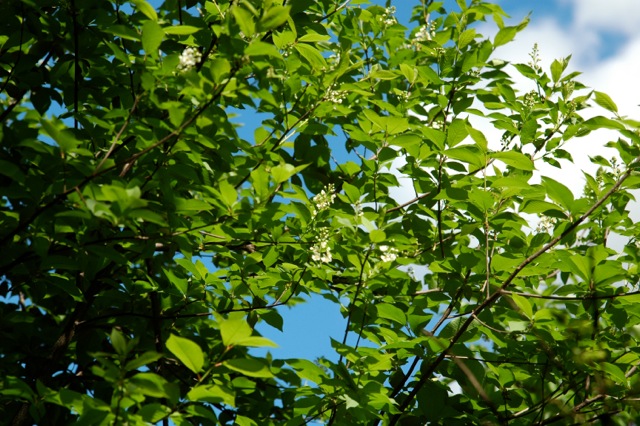
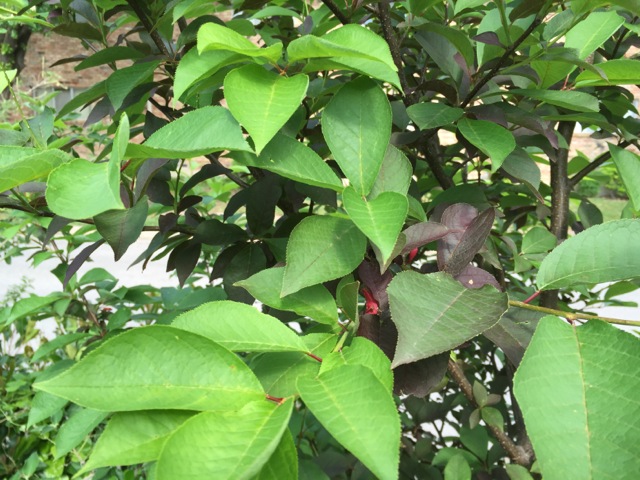
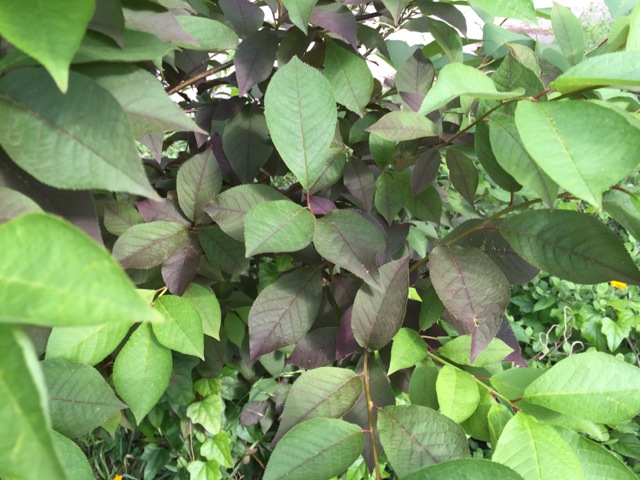
: Beautiful large shrub or small tree that will grow well all over the U.S. Flowers are white, borne in loose, 3 to 6 inch-long terminal racemes in spring. Sometimes called purpleleaf chokecherry, it is a deciduous tree or large shrub with a pyramidal habit that grows 20-30 feet tall. Fruit is very astringent, hence the common name. Foliage emerges as bright green but turns purplish for most of the summer. Fall color is red or even a darker color. Leaves are 2 to 5 inches long, alternate, simple, and oblong to nearly oval with finely serrated margins. Bark is a smooth, grayish-brown, with conspicuous lenticels that develop into shallow fissures. Young stems have shallowly peeling, curling layers.
Will grow in USDA hardiness zones 2 – 9.
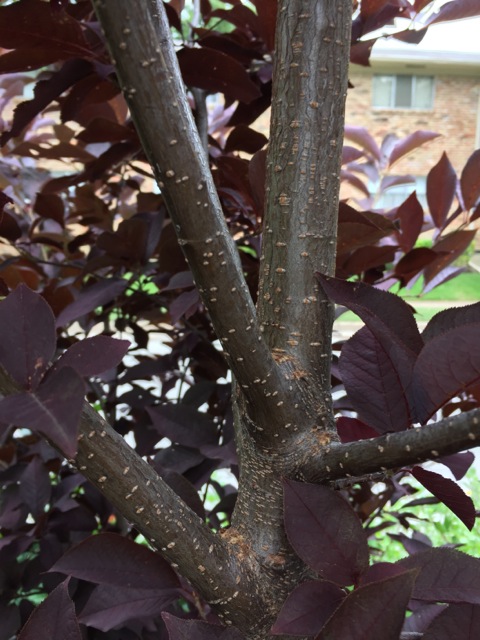
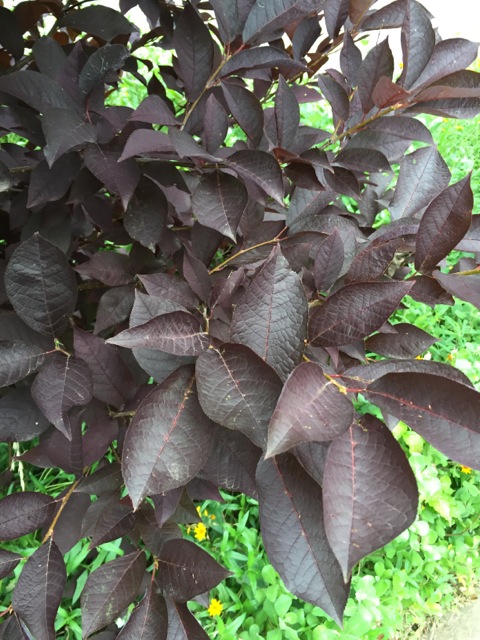
: Easy to grow in dry to medium wet, well-drained soils in full sun to part shade. Remove suckers to prevent unwanted spread. Adaptable in many soils and climates.
Uses: Fruit may be used in sauces, jellies and preserves, however. Fruits are attractive to wildlife.
Problems: Tent caterpillars can be a problem. Aphids, leaf spot, black knot and shot hole fungus are occasional but lesser problems. The most notable drawbacks are suckering at its base when young, and its attraction of tent caterpillars in certain years. The future of non-suckering rootstocks should reduce that problem.
Uses: Specimen, shrub border, ornamental tree, small landscape shade tree.