

Salt De-Icing Bad for Plants Newsletter


Weekly Newsletter
De-Icing Salt Bad for Plants & Soil
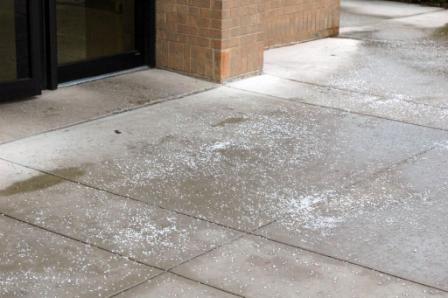
Here’s a shot of my post office showing the wrong method – salt
The danger of salt to human health has been greatly overblown, especially related to sea salt. Salt can even be used as fertilizer and as effective soil amendment – again, especially if it is sea salt. On the other hand, salt can be a very destructive material when over or improperly used.
Think what de-icing salt does to the plants located near roadways or sidewalks. It doesn’t take a lot of salt in the root zone of sensitive trees, shrubs, and perennials for them to suffer and sometimes die. The best way to protect plants is to make sure they’re healthy going into winter. Water your landscaping well before the ground freezes since salt prevents plants from accessing moisture properly.
Misinformed folks start throwing rock salt, table salt, ice cream salt and high salt fertilizers out to try to prevent slipping on ice. These techniques and products are bad for the soil, bad for the plants, bad for the water and bad for the environment in general.
In Texas, concrete sand is primarily used by the Texas Highway Department and seems to do a good job on highways and is non-polluting. Some work has been done in other states with magnesium products and other relatively non-toxic choices.
Other effective products include alfalfa meal (a natural fertilizer), wood ashes (for acid soil areas), coal cinders and zeolite.
What is recommended to use for home and commercial office buildings is lava sand or granite sand. These materials are not only non-toxic, they are good for the soil and the plants as they are washed or swept from the paving into lawns, right of ways and other planting areas. Sure, the sand products can be tracked inside, but so can the salts and salt fertilizers and other toxic products.
. 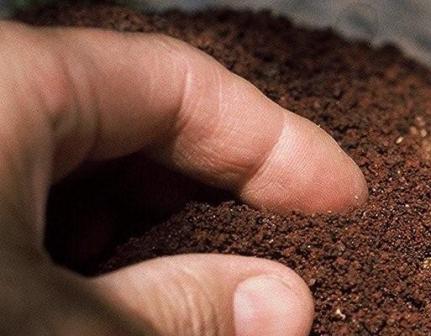
Lava Sand