
Dallas Morning News – January 27, 2022
Cucurbits – Some Early Tips
Cucurbits is the fancy name for squash, melons and other members of the gourd family. Here’s a little early heads-up about common pests that come along with these popular vegetables and some cooking tips.
Gardeners know that squash and related plants commonly suffer from pests such as squash bugs and squash vine borers. Both can be avoided with a little trickery of your own. Having plant-available silica in the soil is one solution. Silica can be added to the soil with human hair, natural diatomaceous earth and Azomite along with the standard organic bed prep materials of compost, rock minerals (lava sand and green sand) and sugars (dry molasses and whole-ground cornmeal). Another technique is to slow down and wait to plant the susceptible “gourd” plants until the first week in July when the insects’ lifecycles have been completed.
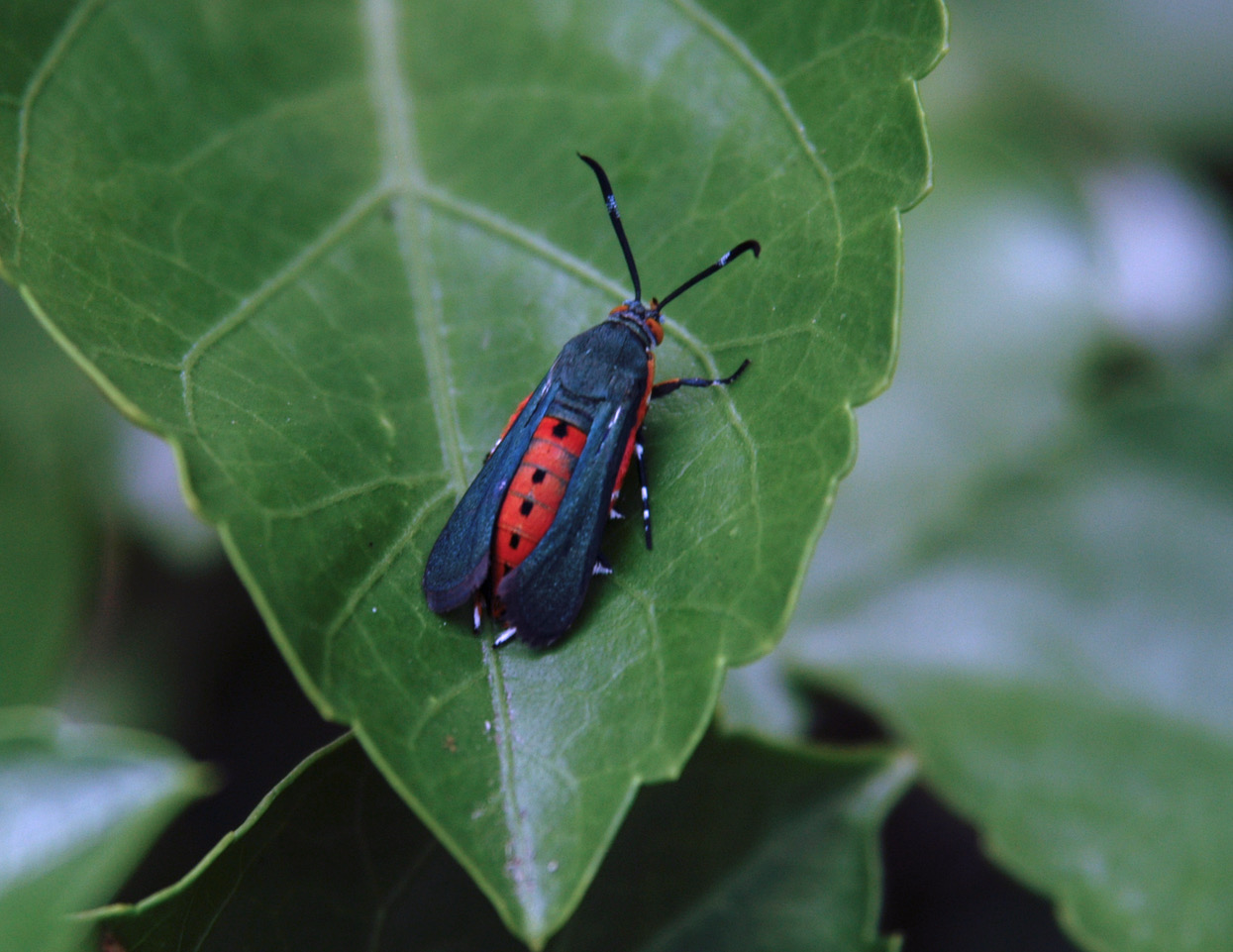 Adult moth of the the squash vine borer. Not a problem with Tatume squash. |
My favorite technique is to plant a different kind of squash – Tatume squash. It is an easy to grow squash in most soils and likes hot weather and it’s a large growing plant that produces lots of food. Tatume, even more than other squash choices, also draw bees into the garden, including bumblebees and other important pollinators.
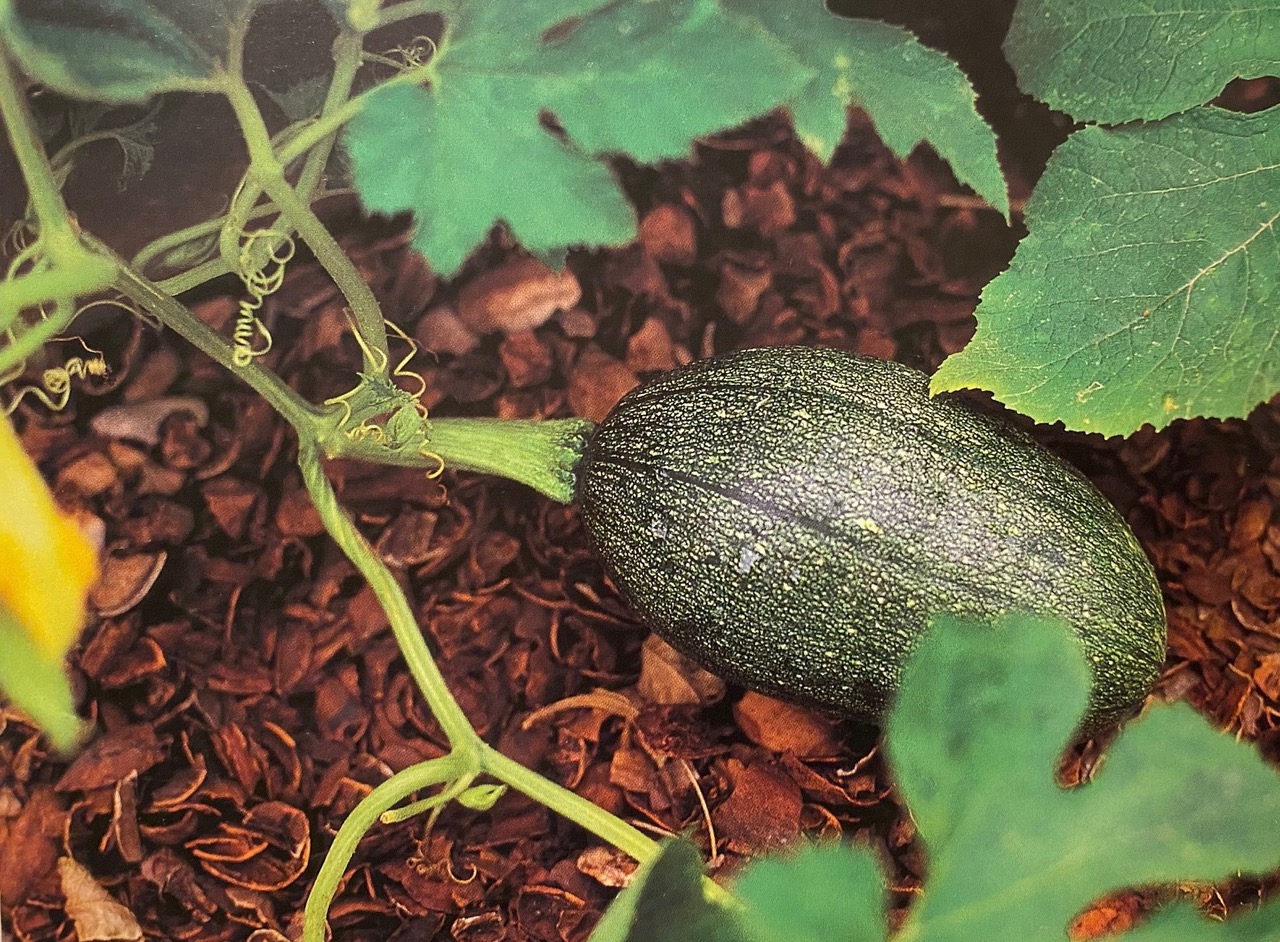 Tatume squash – easy to grow and delicious choice that is resistant to the typical squash insect pests. |
All summer squashes such as crookneck, zucchini and pattypan are harvested in their immature state when the skin is soft. Winter squashes like butternut, spaghetti and acorn are squashes that ripen more slowly on the vine before they are harvested. They have a thick hard skin and they are generally firmer and sweeter than summer squash. Tatume is unique because it can be harvested as either a summer or winter type.
 All melons and squash are part of the gourd family |
Immature fruits of the Tatume squash are green and they resemble small watermelons. At maturity they turn into cute little yellow “pumpkins.” Both can be fried, baked, boiled, grilled or made into casseroles.
The male or female flowers of both summer and winter squashes, including those of Tatume are edible. They can be eaten raw, baked, dipped in batter and fried as well as stuffed with cheese and other stuff. You can eat both the male and female flowers. Tatume is more flavorful than others to me.
Another cool thing about Tatume is that it is almost completely immune to squash vine borers – pretty but destructive moths. Their white larvae turn squash stems into a shredded mess and kill the plants quickly.
Summer squash varieties include Tatume, Butterbar, Dixie, Zucchinni, Early ProLific Yellow, Straightneck, Miltipik, President Senator, Royal Acorn, Spaghetti, Yellow Crookneck, Pattypan.
Winter varieties include Early Butternut, Acorn, Tahitian, Turbin, Buttercup, Hubbard and Table Ace. Tahitian is a very large heirloom squash. The seeds are in the big end. Cut off as much as needed to cook and eat while leaving the rest in the refrigerator for later.
My book Texas Organic Vegetable Gardening will give you many other out-of-the-ordinary food crop tips.