
Dallas Morning News – August 14, 2018
Dead Spots in Turf – Fidotoxicity
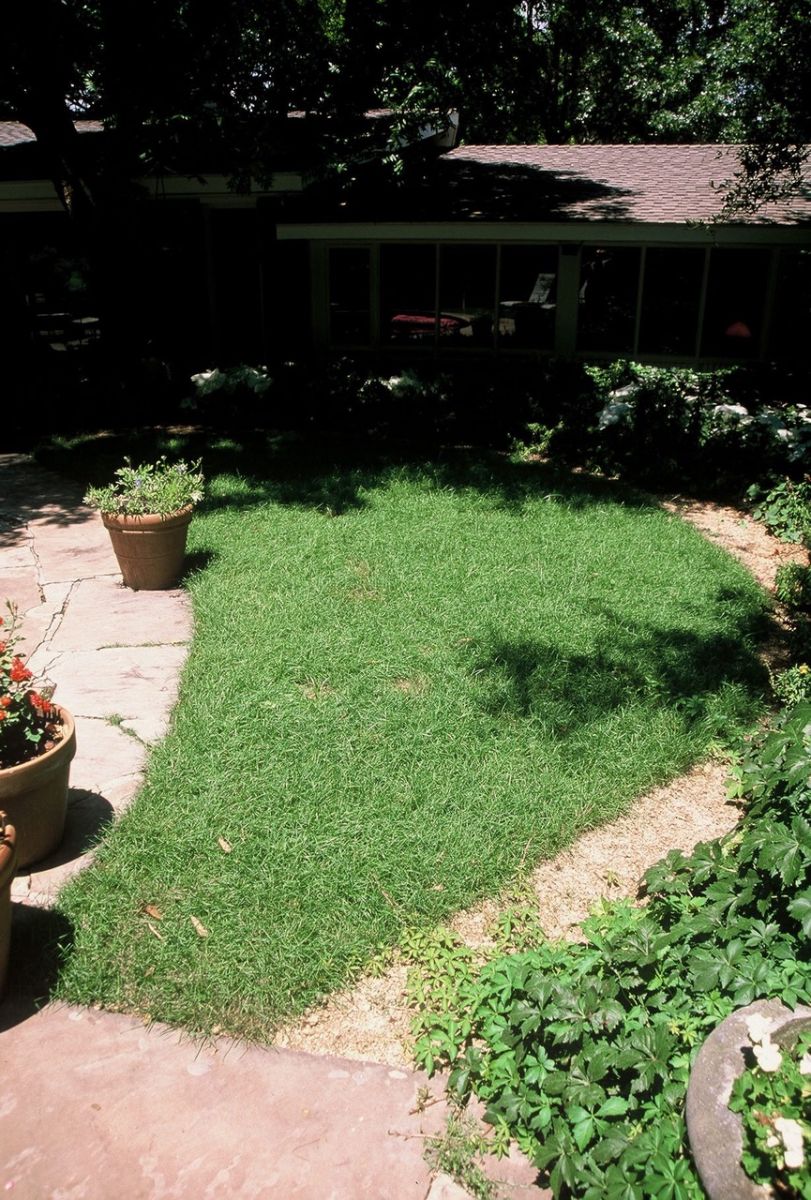
Some years ago a turfgrass company asked me to test some turf. The new grass sounded like a good idea. It was called Reveille, a cross of Kentucky bluegrass and Texas native bluegrass, an idea developed by Dr. James Read, Texas A&M grass breeder and geneticist in Dallas. It looked like Kentucky bluegrass but was supposed to be hardy enough to stand the Texas sun and heat. One theory was that it would grow in shadier areas than buffalograss could stand and would make a good companion. Great idea I thought – let’s try it.
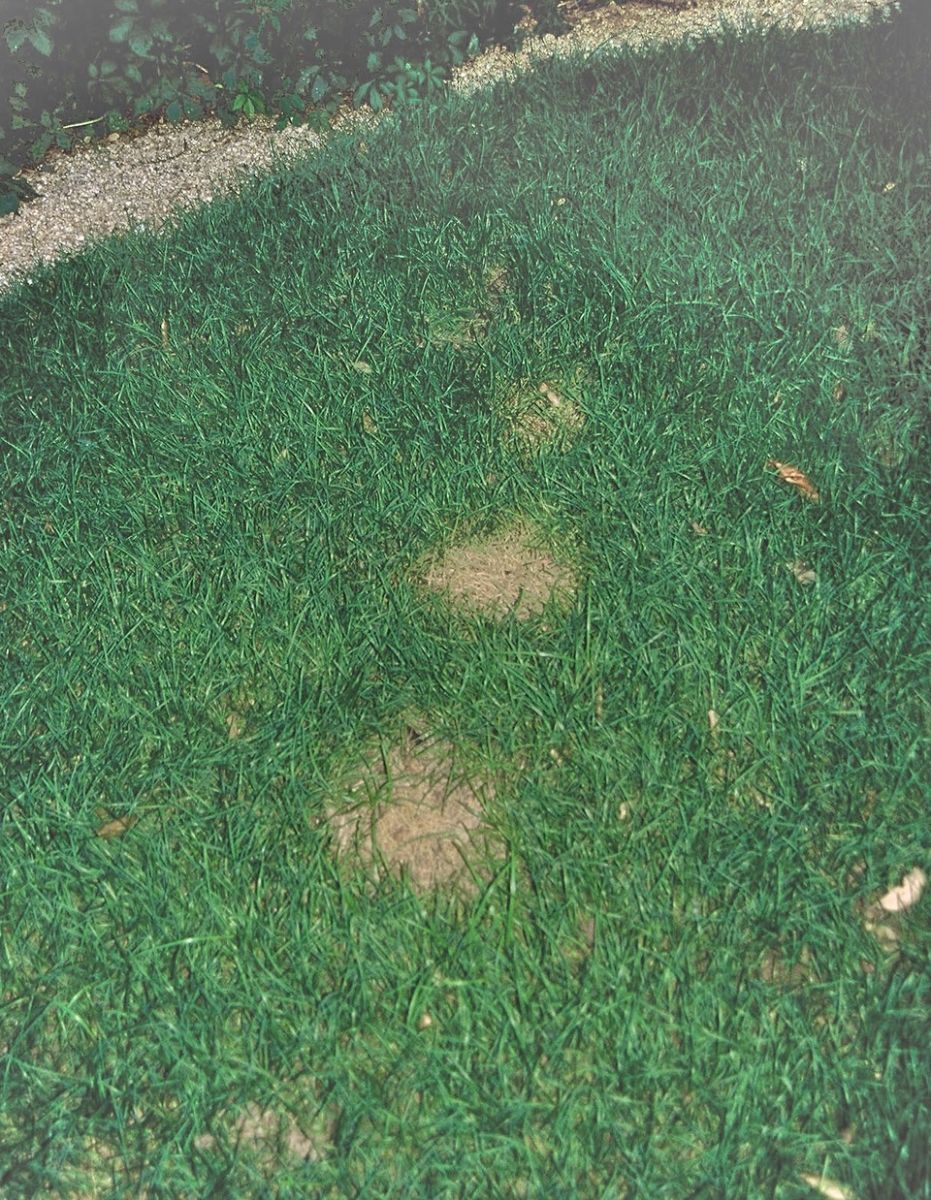
It was planted solid sod in the back yard near our pool and looked really good. I was excited about this new discovery, but after a few weeks, up jumped the devil! Brown spots started to appear, spread quickly and appeared to be disease or some kind of phytotoxicity, but I was puzzled.
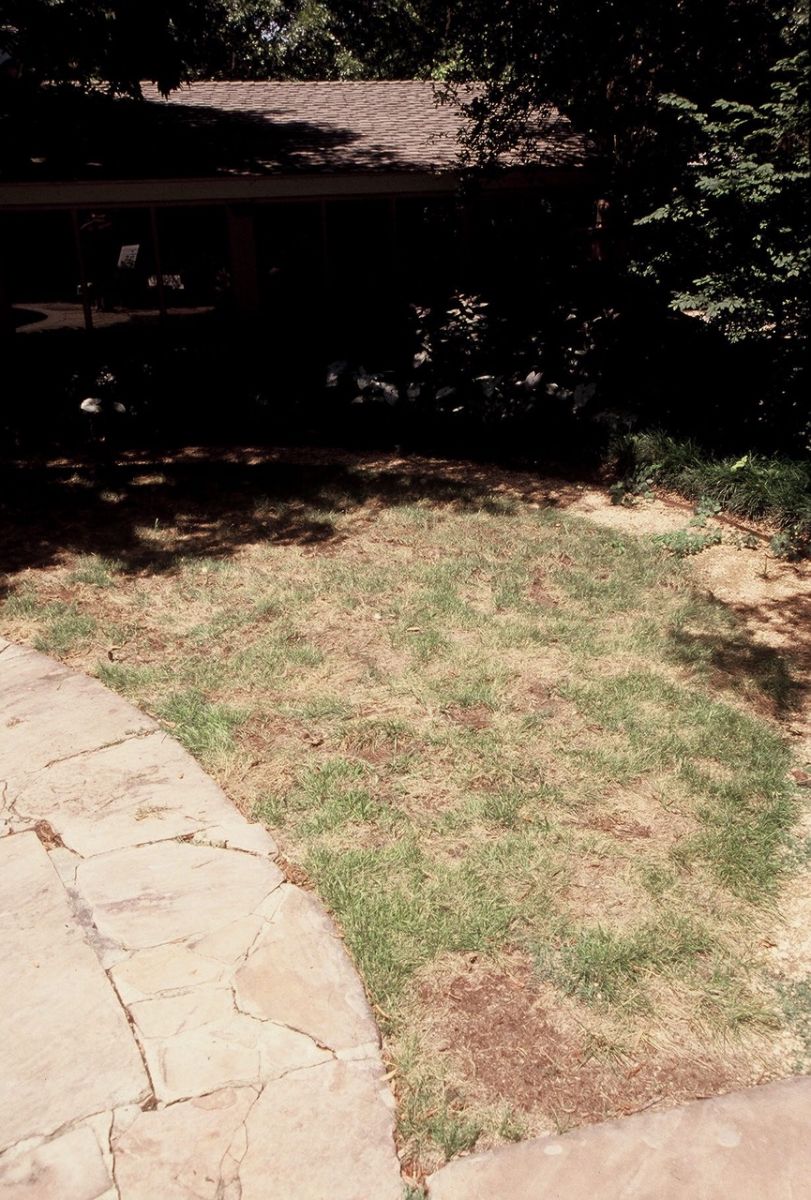
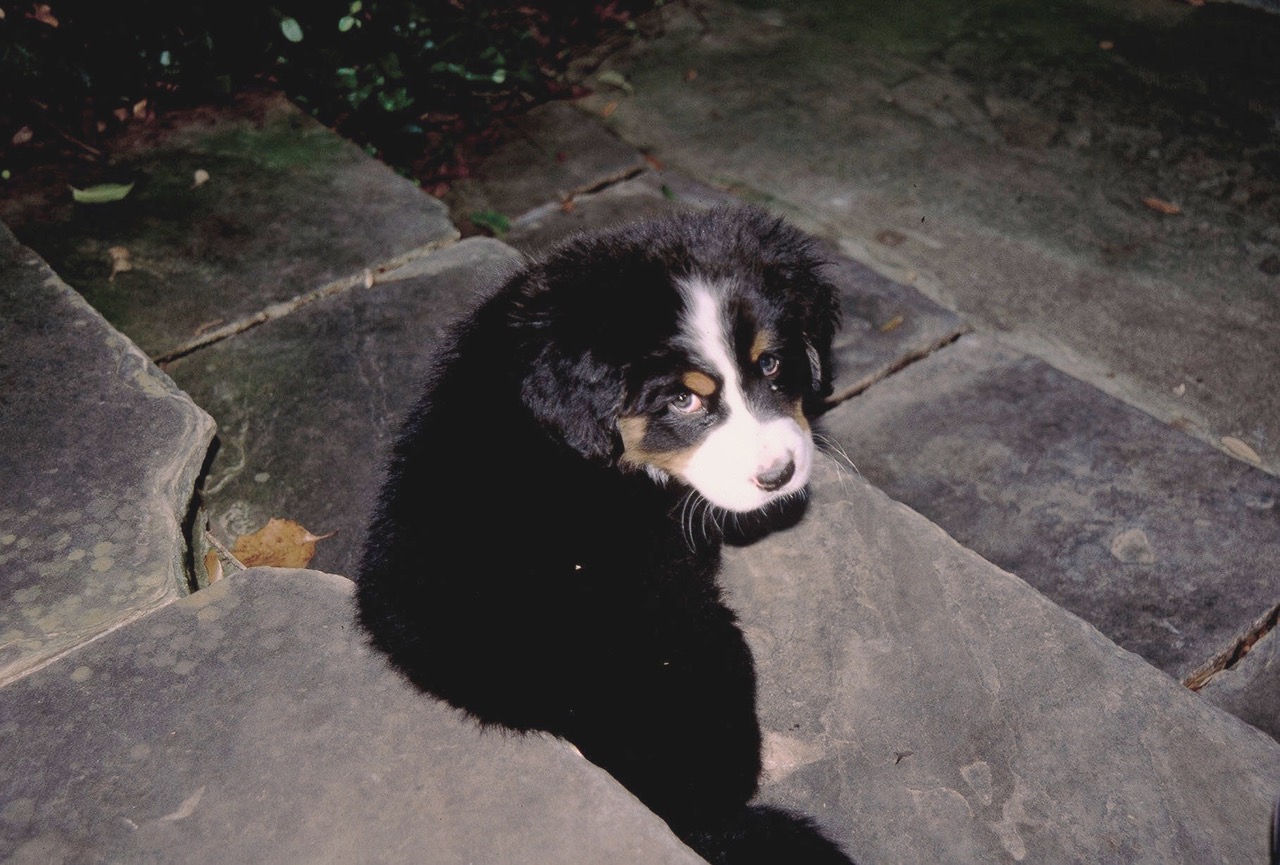
Within a couple of weeks, the brown spots had spread and the entire planting was almost completely dead. Turns out it was a phytotoxicity, or rather a fidotoxicity – and the culprit was this fido – Burnese mountain dog puppy, Tully.
Who me? Yes you but thanks for proving to me that this new crossbreed grass was not tough enough to recommend to homeowners or landscapers, and she led me to look into how to solve pet urine damage in all kinds of turf. A question I get often.
First of all – no offense ladies, but girl dogs, and cats too I suppose, are more damaging to turf than the boys. Girls pee straight down and boys aim higher but I think the chemical/hormone difference is also a factor.
Whatever animal made your brown spots, the solution is basically the same. Don’t leave the pets out in the turf areas all day. When they go out with you, you’ll know what spots need to be treated. Water the assaulted spots and toss down some compost or humate. Even better is to apply zeolite, a natural rock mineral available in farm stores and some garden centers. Some products are sold as horse stable odor control. Some cat litter products are also 100% zeolite. Just check the labels. Sprinkle some of the zeolite on the damaged spots. Done before the spots turn brown and die is best but even after the grass has been killed, the zeolite will help the surrounding grass fill in over the dead areas. Zeolite grabs and holds the ammonia and eliminates the toxicity of the urine. It can be used as a preventative on the entire lawn at about 40 lbs. per 1000 sq. ft.