
Dallas Morning News – May 17, 2018
DOGWOODS – ONE IS TRICKY, ONE IS EASY
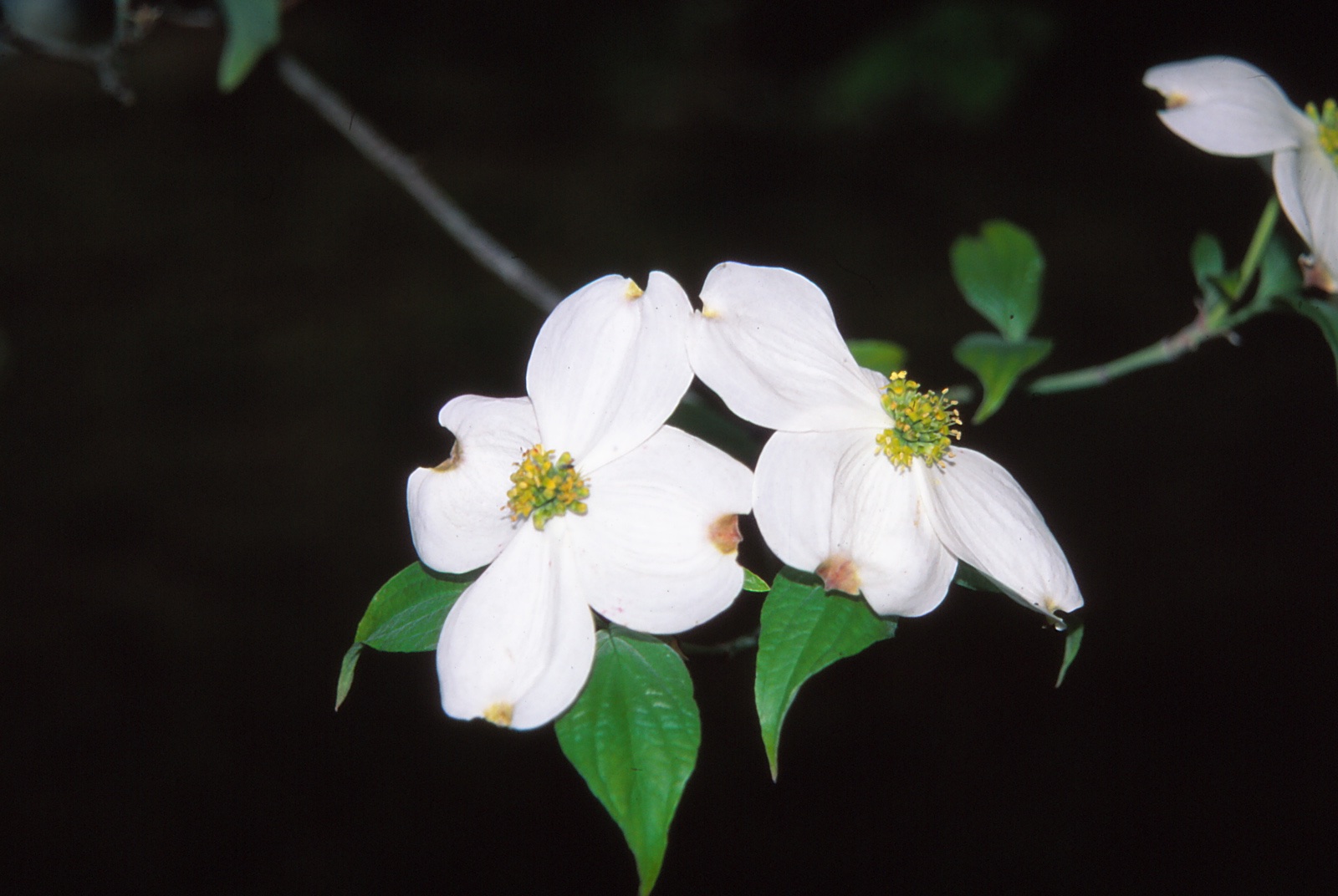
Flowering dogwood flowers
Flowering dogwood (
Cornus florida
) is a gorgeous small tree that flourishes in the sandy acid soils of East Texas and other similar soil areas, but it frustrates many North Texas gardeners. It can be grown here – I have two in the front yard. However, the bed preparation must be excellent, providing rich soil life. The soil also must also remain moist but not too wet for best results.

Flowering dogwood fall color
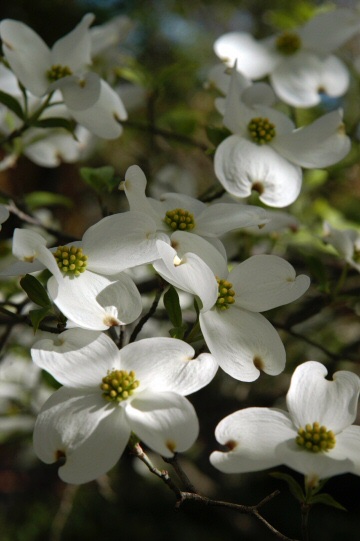
Flowering dogwood spring flowers
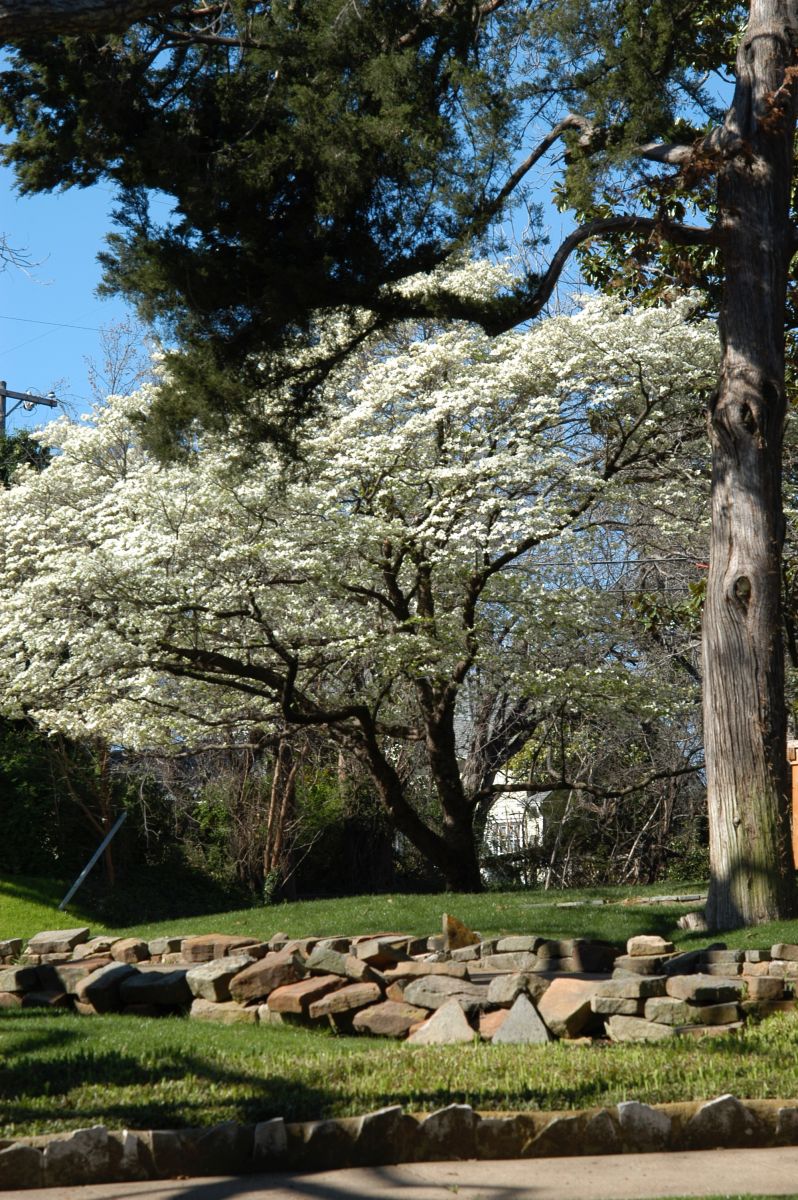
One of the nicest flowering dogwoods in North Texas. This one is in Oak Cliff.

Pink flowering dogwood

Flowering dogwood fruit in late summer
In the black and white soils and other alkaline soil areas, the beds or planting areas need about double the normal bed preparation amendments that I recommend. Compost should be used heavily. Depending on the quality, it should be applied from 4 – 8 inches deep. Added to that, use about 80 lbs. of Azomite, greensand or Magic Sand, 1 inch or more of lava sand, ½ inch of earthworm castings and the beds should be slightly mounded so that the surface drainage is positive. Flowering dogwood responds well to the gentle organic fertilizers that should be applied at 20 lbs. per 1000 sq. ft. Mix it all into the soil to a depth of 8-10 inches, plant the tree high so that the flare is well exposed and water in thoroughly. If that all sounds like too much trouble, there’s an alternative way to go.

Roughleaf dogwood
Roughleaf dogwood (
Cornus drummondii
) is the answer. This small deciduous, bushy native blooms after leaves have formed in late spring with white flower clusters, then white seed pods in late summer that the birds love and then purple fall color. Stems are reddish and very decorative in winter. Its only problem is that it spreads easily by seeds and suckers. It can actually be invasive but is relatively easy to keep under control if you don’t ignore it. A leaf fungus sometimes hits the foliage. It’s mostly cosmetic and easily controlled with the Sick Tree Treatment and a spray of Garrett Juice plus garlic, hydrogen peroxide or potassium bicarbonate. The commercial product BioSafe is also effective.

Roughleaf dogwood flowers
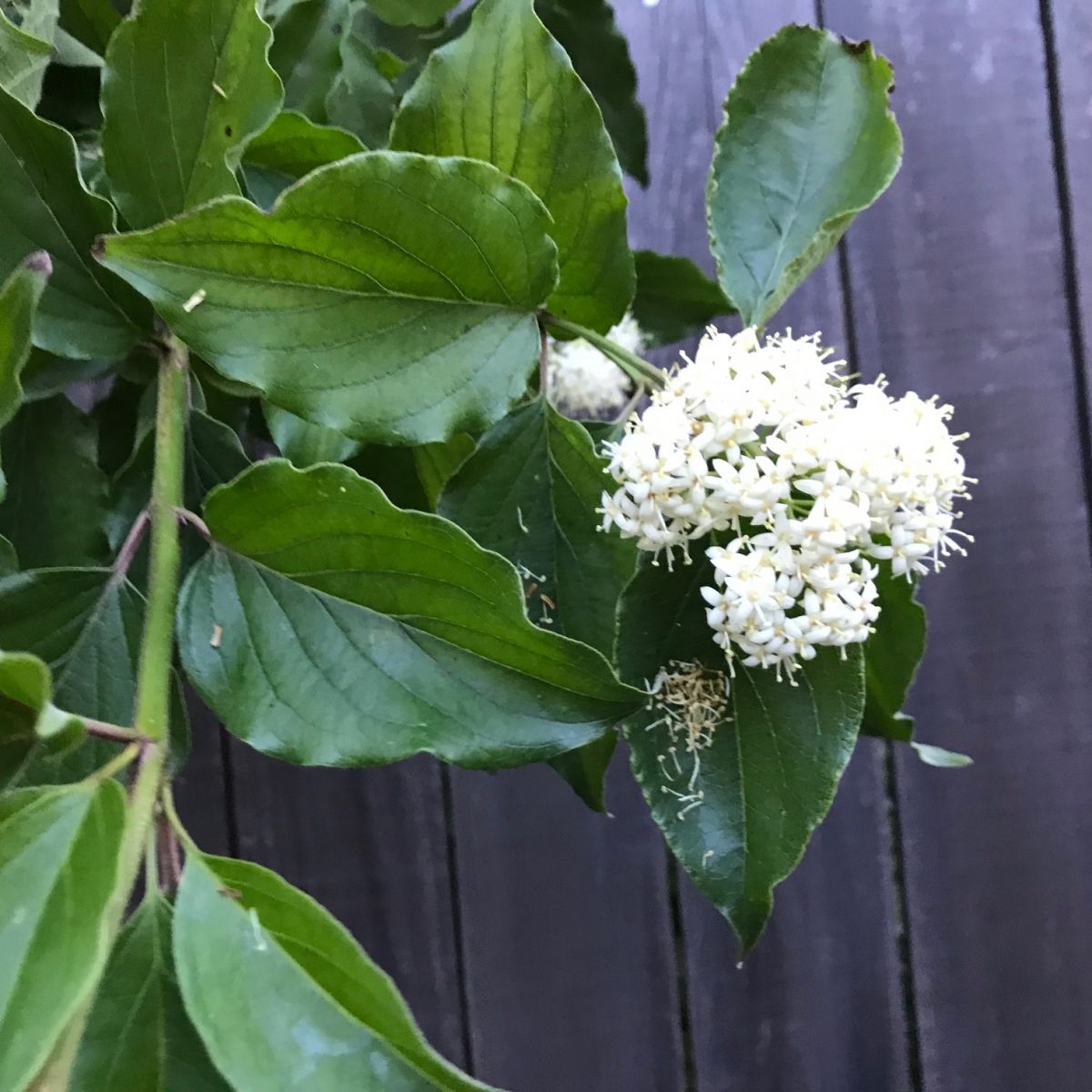
This native dogwood is very easy to grow in sun or part shade in any soil and is drought tolerant. Propagation is easy from stem cuttings, root division or seed that can be planted immediately after they are harvested. The plant is also usually available in the nursery trade.

Roughleaf dogwood fruit in summer
Its uses include those of background mass planting, understory tree, seeds for birds and specimen. I have one on the east side of our office that looks great.

Many have been cut down by people thinking they are weeds. Nothing that grows that easily could be a desirable plant! This plant is colorful, graceful, tough, and should be used more.