Organic Answers Column – May 24, 2023 – Galls
Galls in Trees: Serious or Not?
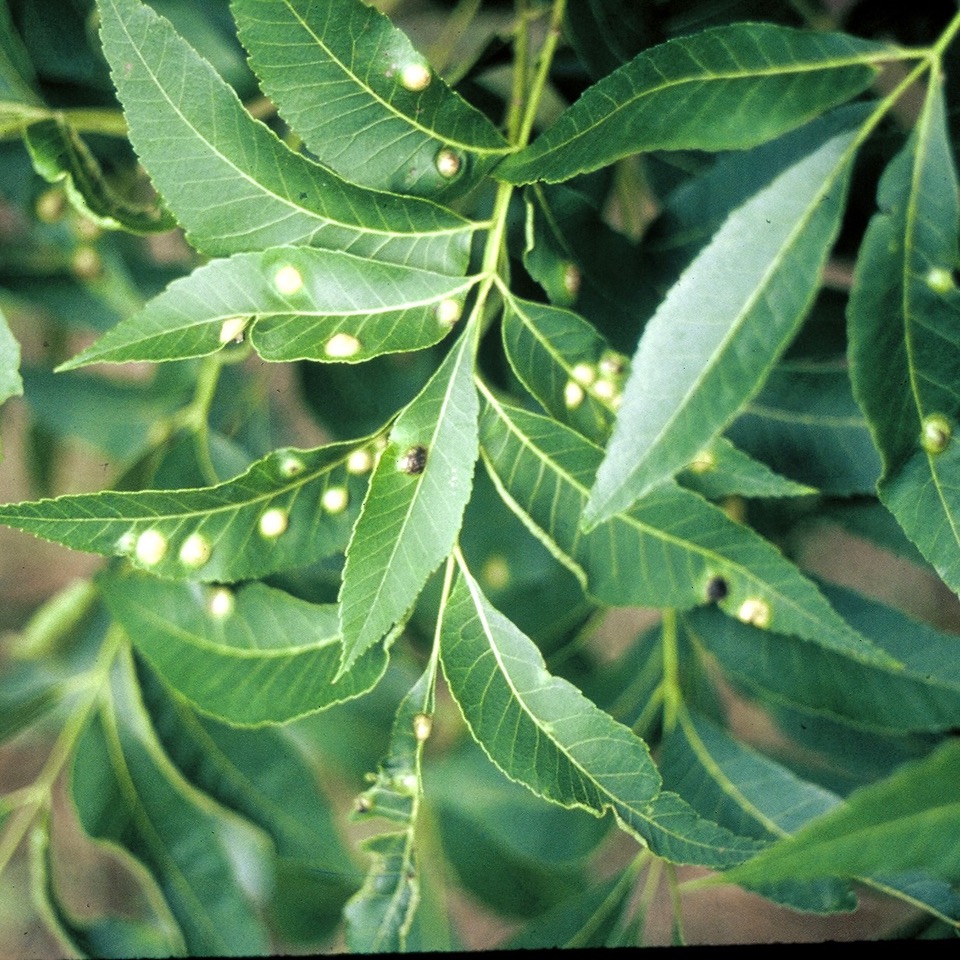
A recent article was published making the point that phylloxera galls on pecan tree foliage is normal and nothing to worry about. Proclaiming that galls in trees are simply cosmetic and not a problem is not a complete answer. Normally galls don’t cause a problem, but they can indicate one. When present in small scatterings throughout the canopy they are usually more cosmetic than damaging, but if trees are heavily infested with galls there’s a problem. The tree is in stress and needs healing attention.
The last few winters have added another factor to consider – freeze damage. Trees that are off color or have scarce growth on the top limbs may have galls show up more heavily, a reminder to do nothing that will stress the trees further. You might also see an increase of diseases, insects, woodpecker holes, mistletoe or rodents chewing bark – as well as galls.
Heavy scale infestation of any kind is a sign of stress, including white scale on stressed crape myrtle. The often recommended toxic pesticide Imidacloprid is the wrong answer. The answer is to reverse any procedures or conditions that are causing your trees to be in stress.
Lots of things can cause plant stress. Top of the list is soil, mulch or plants covering the root flares of the trees. Second would be using high-nitrogen, synthetic fertilizers, nitrogen-only fertilizers and especially “weed and feed” fertilizers. Fertilizing too much is also a serious problem, as is watering too much. Compaction of the soil in the root soil can also be a culprit.
As always, the Sick Tree Treatment is the most proactive answer, then expose the root flares dramatically and apply organic fertilizers, compost, rock minerals, cornmeal, dry molasses and Garrett Juice. Spraying toxic chemical pesticides (Imidacloprid) is a great example of waste, contamination, poor thinking and ultimately the failure to solve the problem.
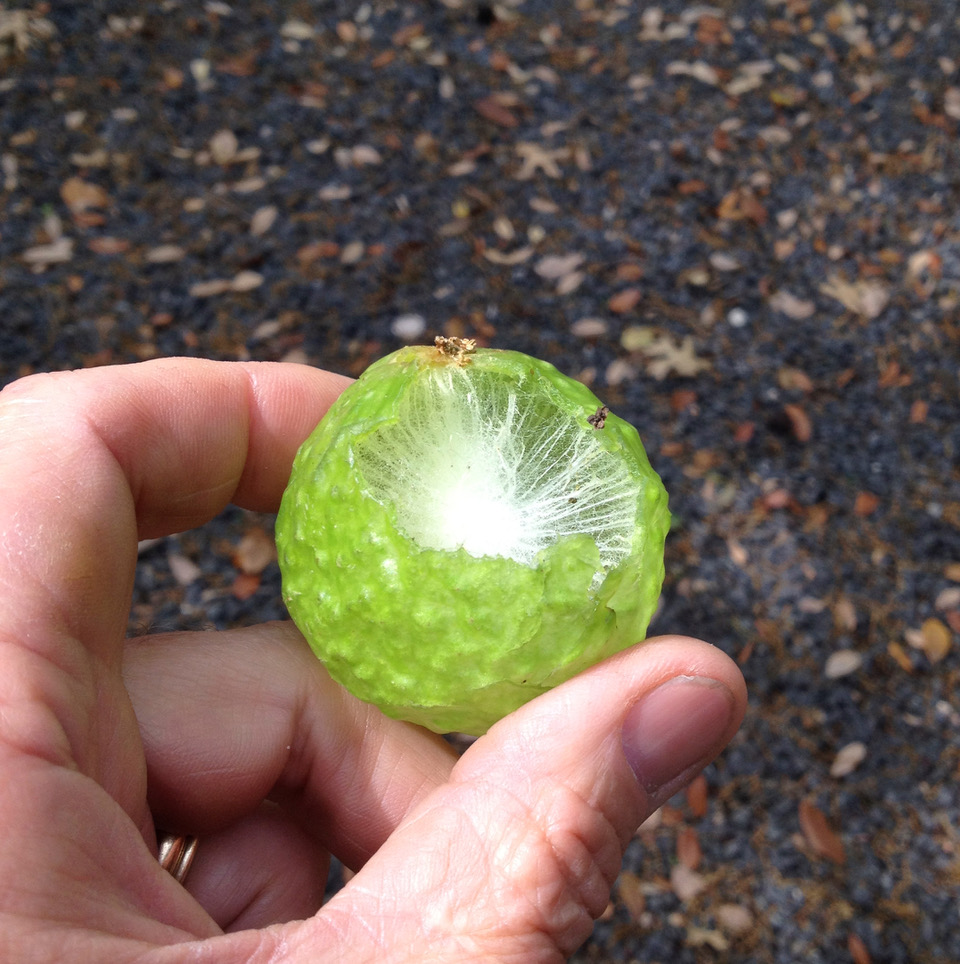
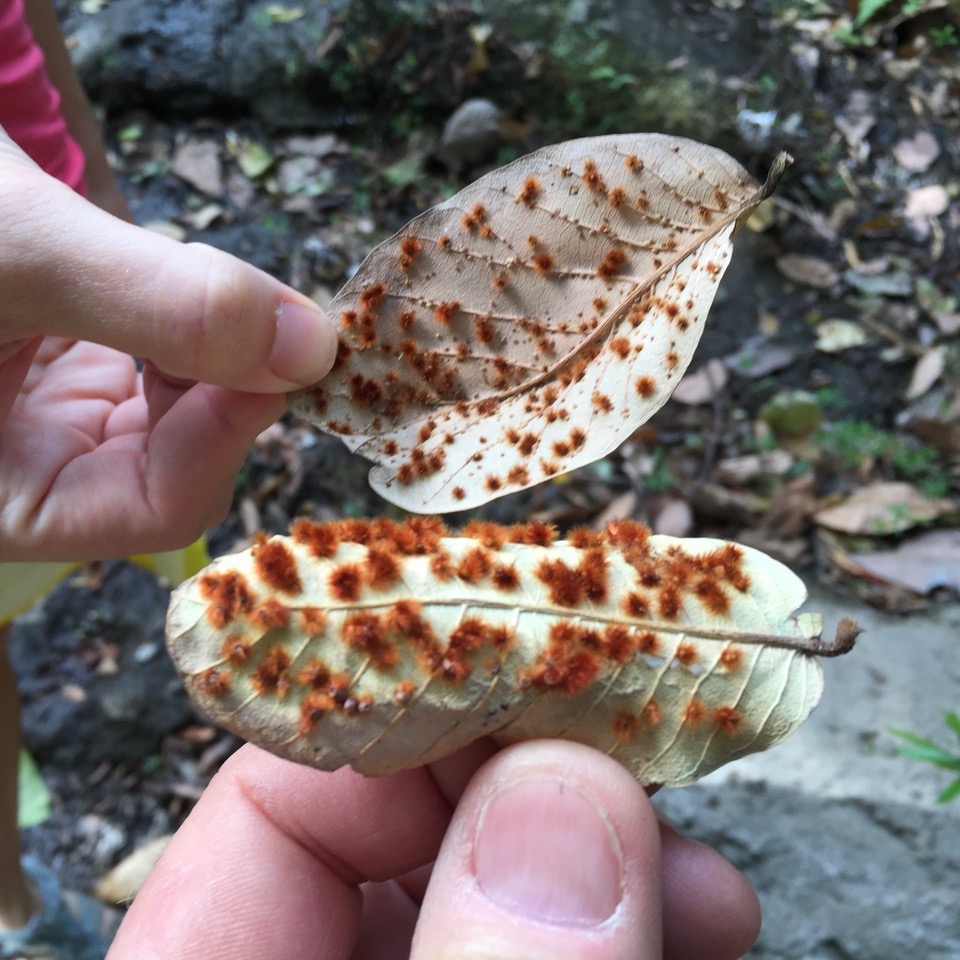
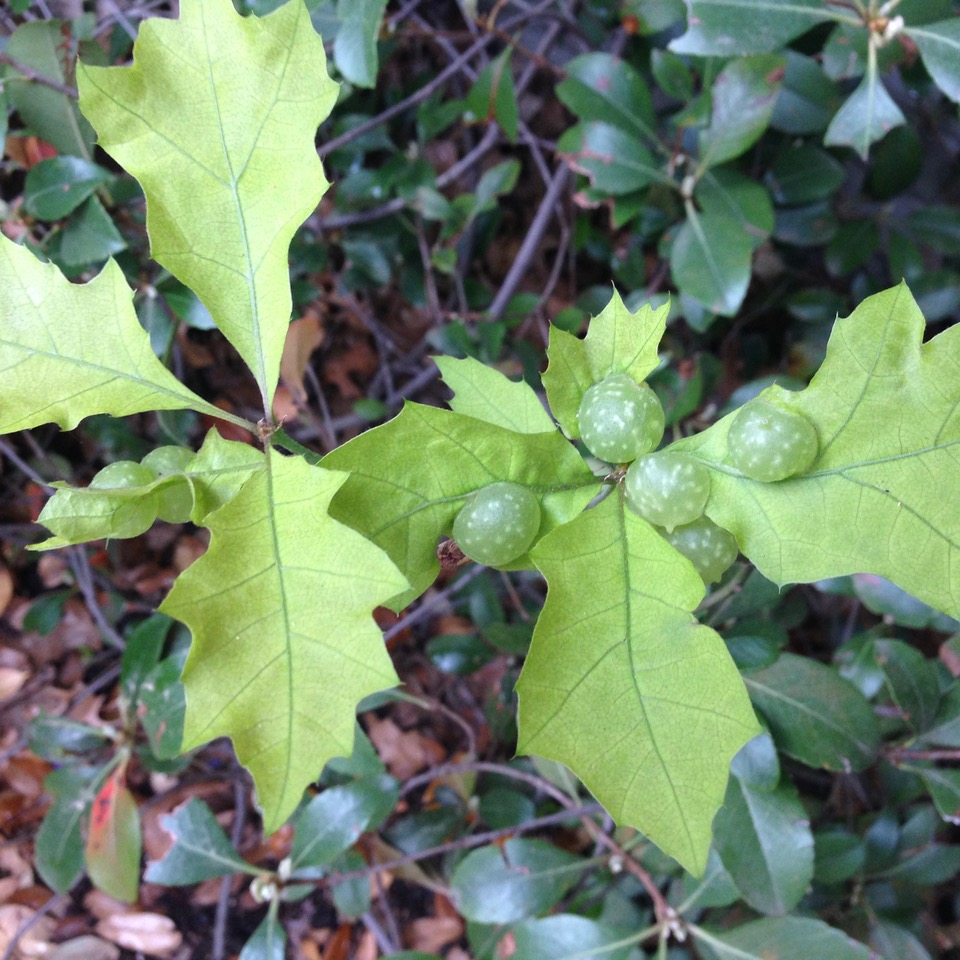
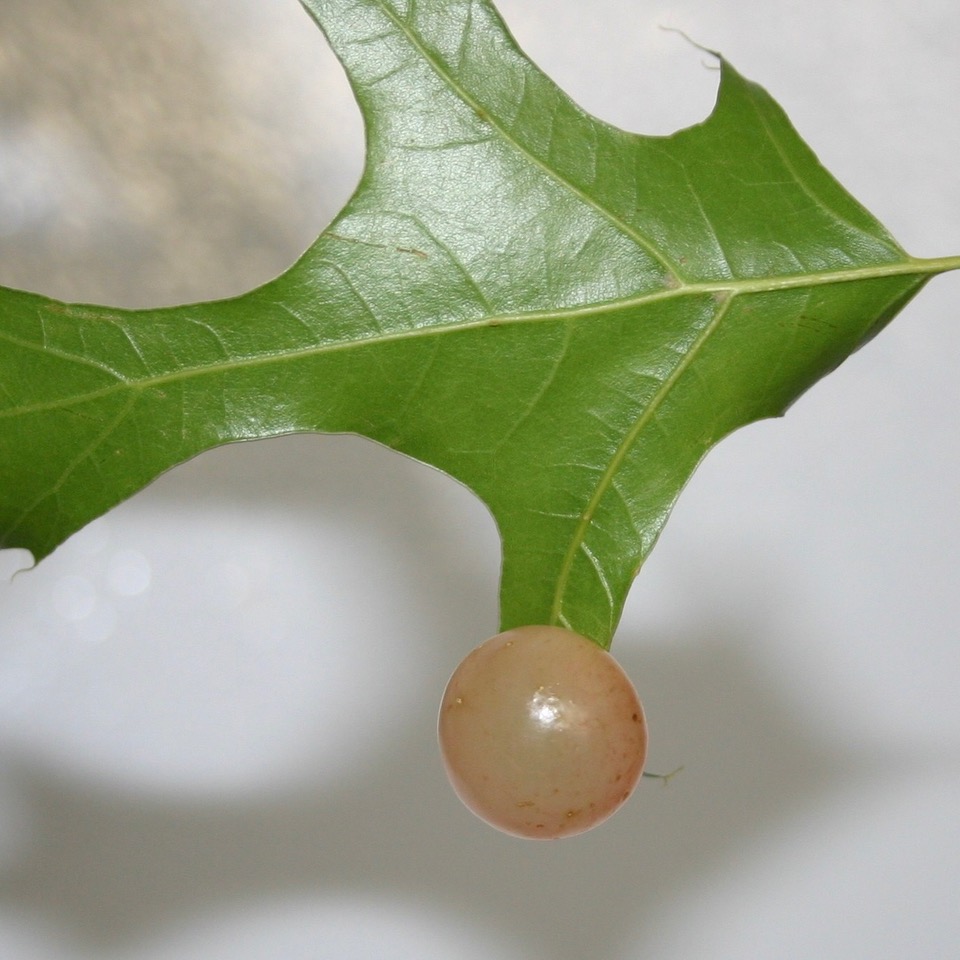
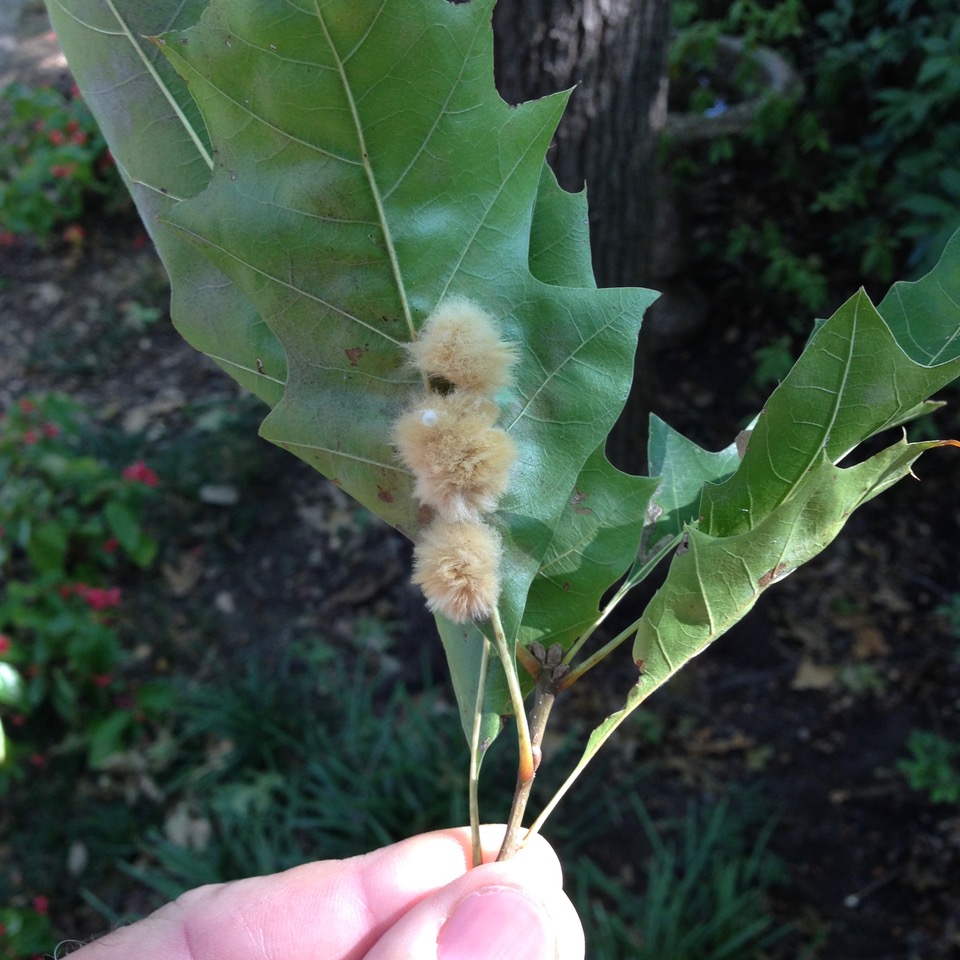
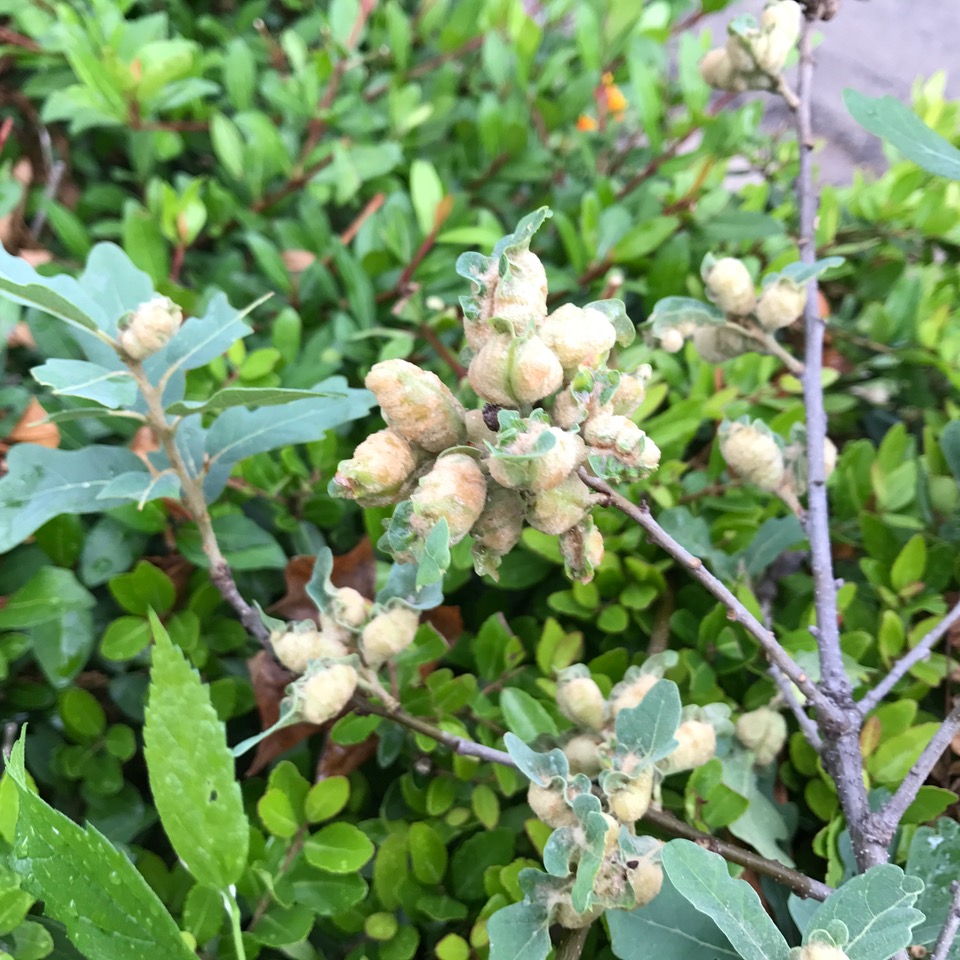
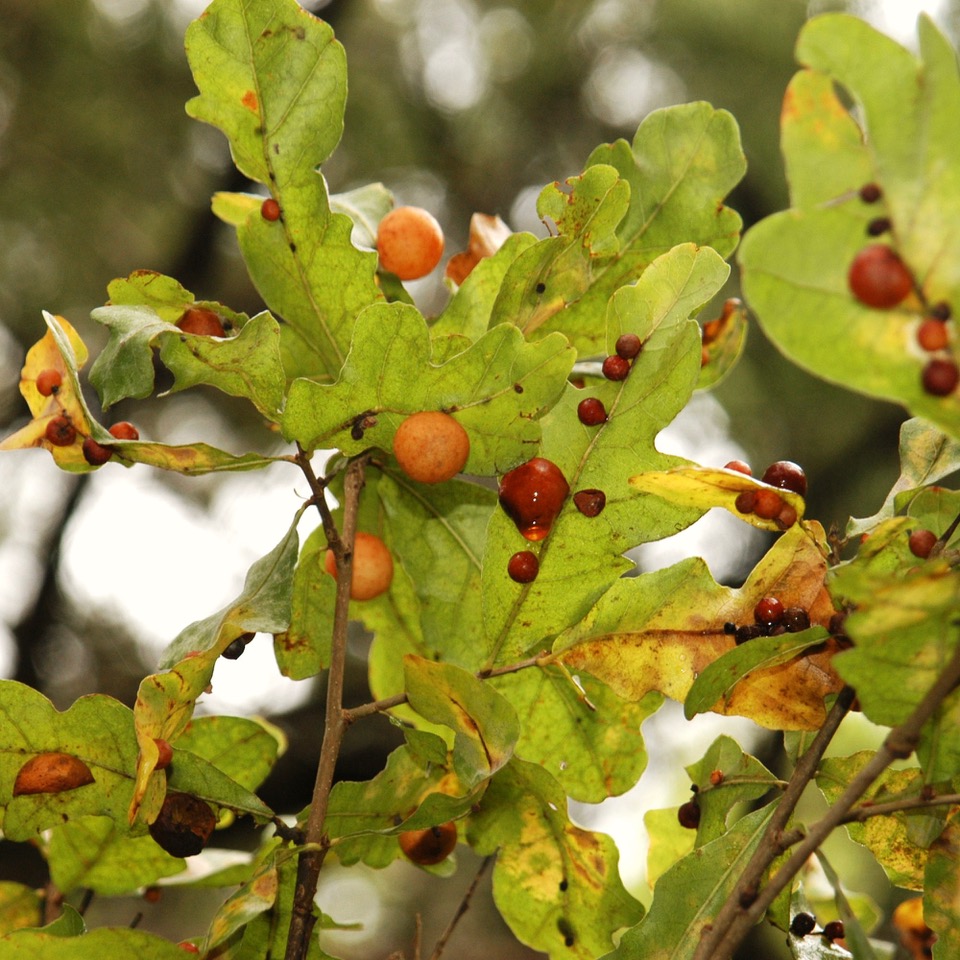
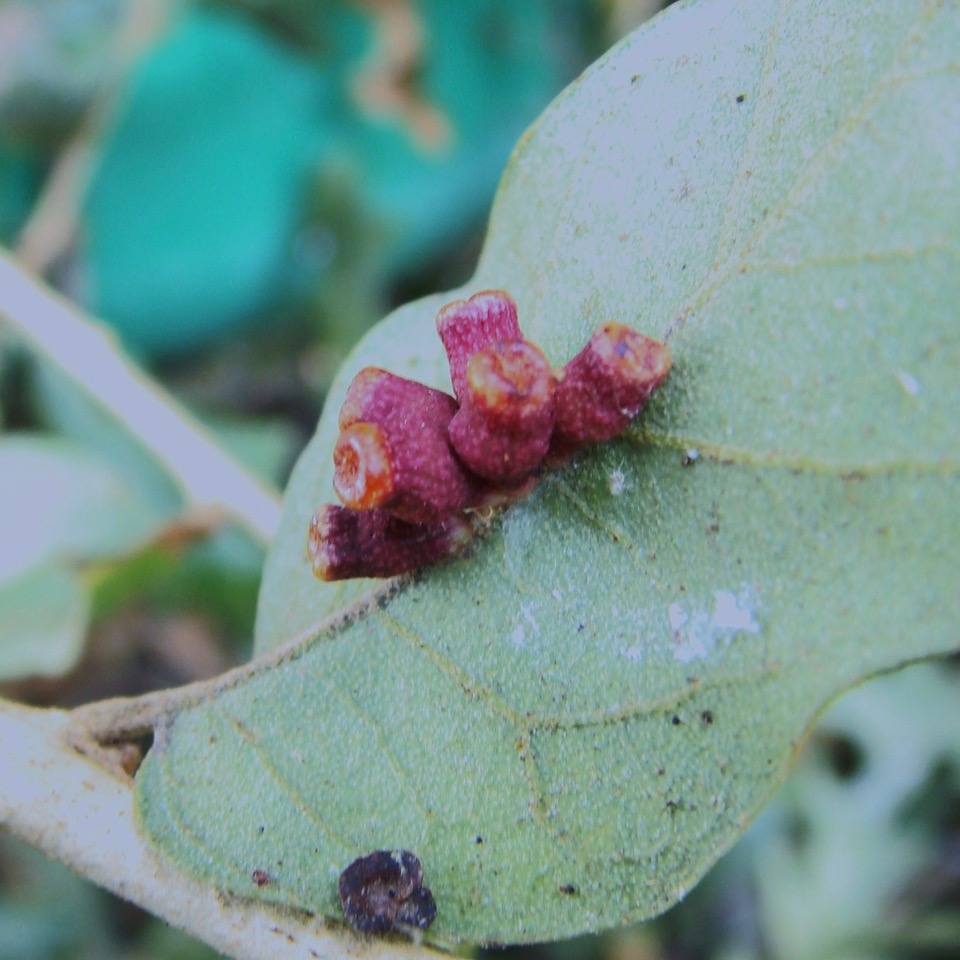
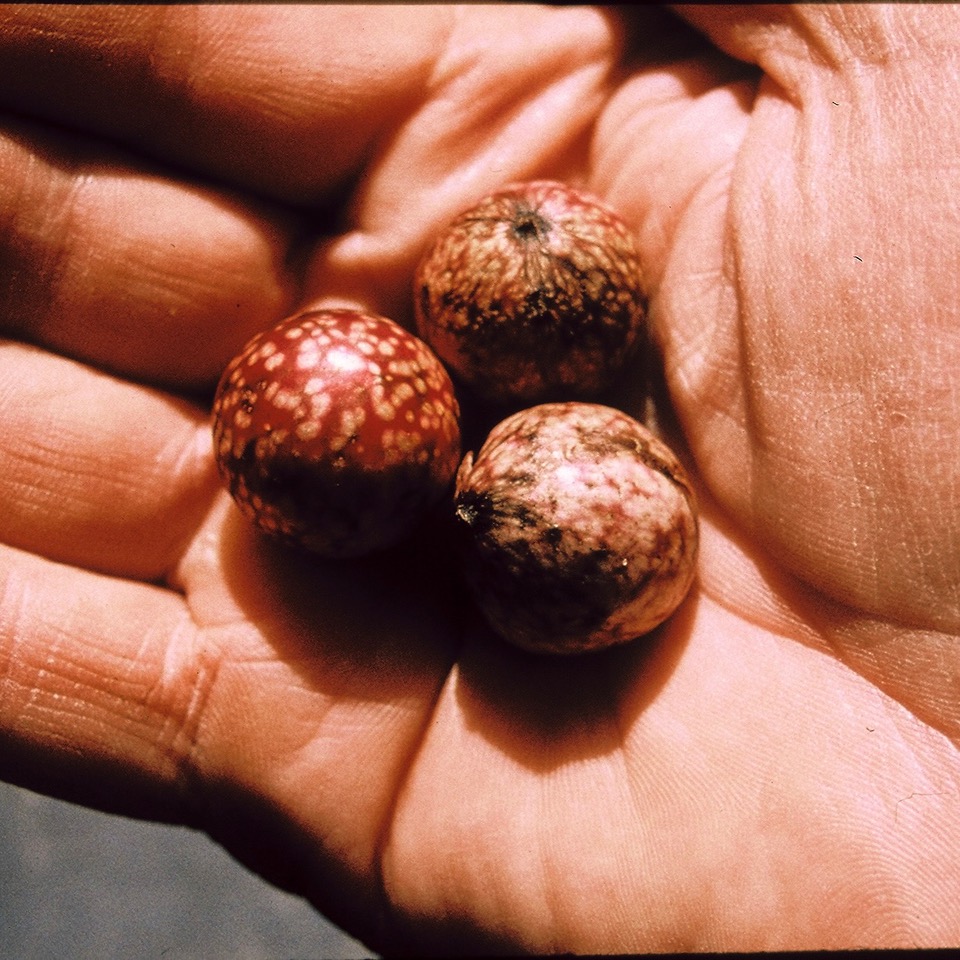
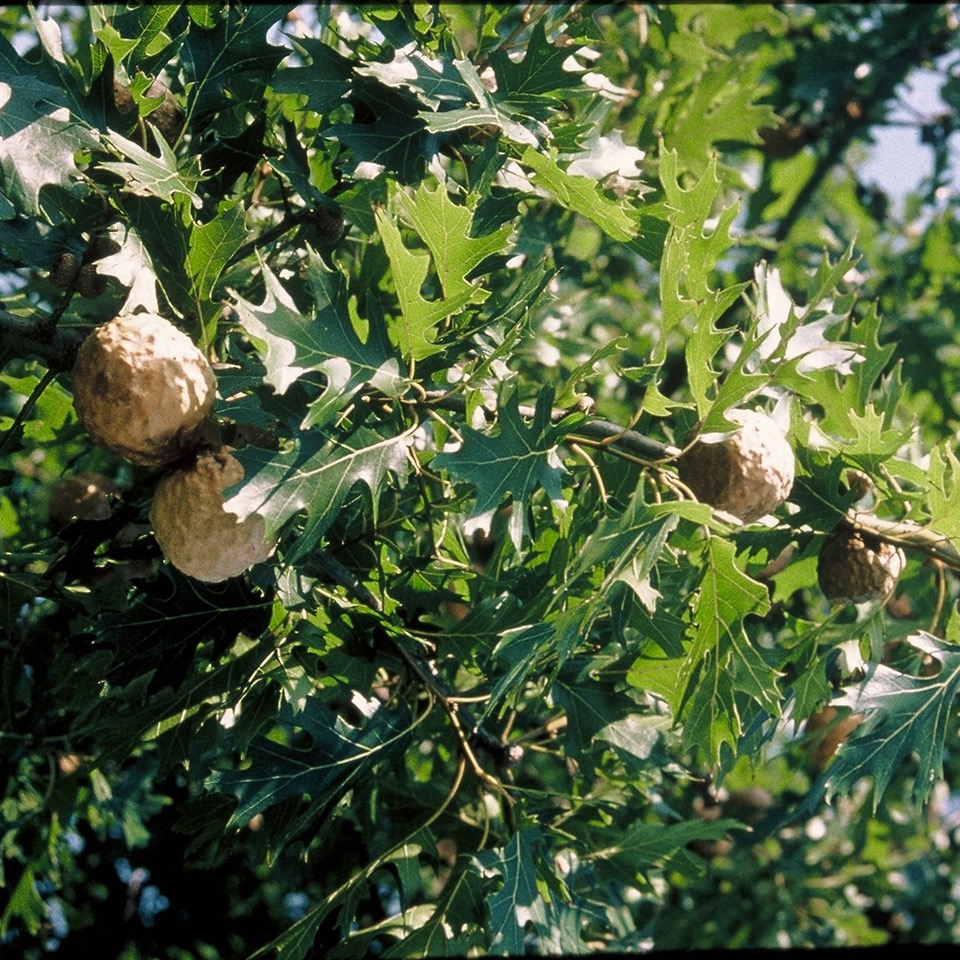
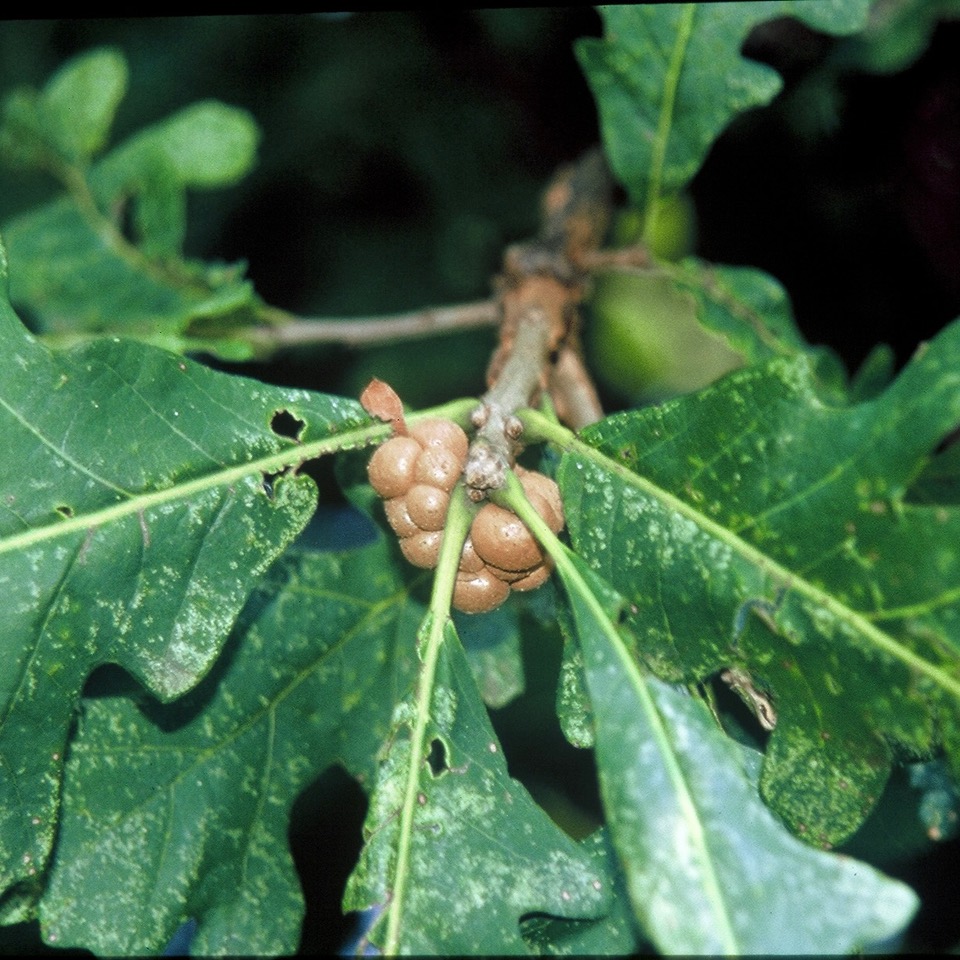
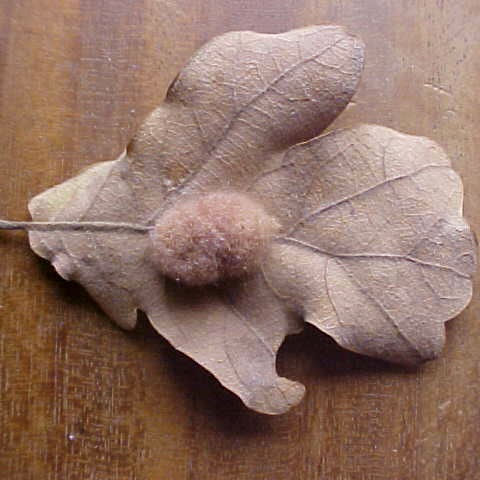
There are many forms of galls caused by small benign insects and pathogens in some cases. Here’s a photo review of some of the interesting ones I’ve spotted: