
Nootkatone in Insect Repellent

Grapefruit skin contains Nootkatone
The plant chemical Nootkatone has been found in a couple of interesting but unrelated places – Alaska’s yellow cedar (Cupressus nootkatensis) and in the skin of grapefruit. The distinctive odor of grapefruit contains the repellent properties to protect against mosquitoes and ticks.
The yellow cedar ranges from southeast Alaska along the Pacific coast of British Columbia and into the mountains of Washington, Oregon, and Northern California. Grapefruit (Citrus x paradisi) is a sub-tropical evergreen citrus tree that originated in Barbados, “an accidental cross between the sweet orange and the pomelo” (which both originated in Asia).

Alaska yellow cedar is a source of Nootkatone
According to research published on Wikipedia:
It is also an effective repellent or insecticide against mosquitos, and may repel bed bugs, head lice, Formosan termites, and other insects. It is an environmentally friendly insecticide because it is a volatile essential oil that does not persist in the environment. It was approved by the U.S. EPA for this use on August 10, 2020. Its ability to repel ticks, mosquitoes, and other insects may last for hours, in contrast to other plant-based oil repellents like citronella, peppermint oil, and lemongrass oil. It is nontoxic to humans, is an approved food additive, and is commonly used in foods, cosmetics, and pharmaceuticals. The CDC has licensed patents to two companies to produce an insecticide and an insect repellent.
From the CDC:
On July 20, 2020, the EPA announced registration of nootkatone for manufacturing use into insecticides and repellents. CDC was instrumental in early efforts to demonstrate that nootkatone can repel and kill arthropod vectors, including mosquitoes and ticks. Building on CDC’s earlier work, a collaboration between CDC, the HHS Biomedical Advanced Research Development Authority, and an industry partner, Evolva (later acquired by Danstar Ferment AG), resulted in EPA registration of nootkatone as a biopesticide. This makes possible the development of nootkatone-based products targeting mosquitoes and ticks. CDC and Evolva jointly own patents for the use of nootkatone to repel and kill arthropod pathogen vectors.
From NPR:
“This stuff has incredible knock-down,” Dolan says, referring to an insecticide’s ability to kill off bugs. “It kills very, very quickly, usually within a matter of about 15 seconds.”
It kills by blocking receptors on insects’ nerve cells for a neurotransmitter called octopamine. That makes the insects hyperactive. “They basically vibrate themselves to death,” Dolan says. Humans don’t have octopamine receptors, so that may make nootkatone safe for humans, though Dolan says scientists don’t yet know whether there’s any cross-reaction between nootkatone and adrenaline receptors. Adrenaline is the human analog of insects’ octopamine.
In addition to being the ingredient that smells good in cedar and grapefruit, nootkatone is an ingredient used in the fragrance industry, as well as in citrus-scented shampoos, conditioners, and lotions. Perhaps some of your self-care products are already helping repel mosquitoes!
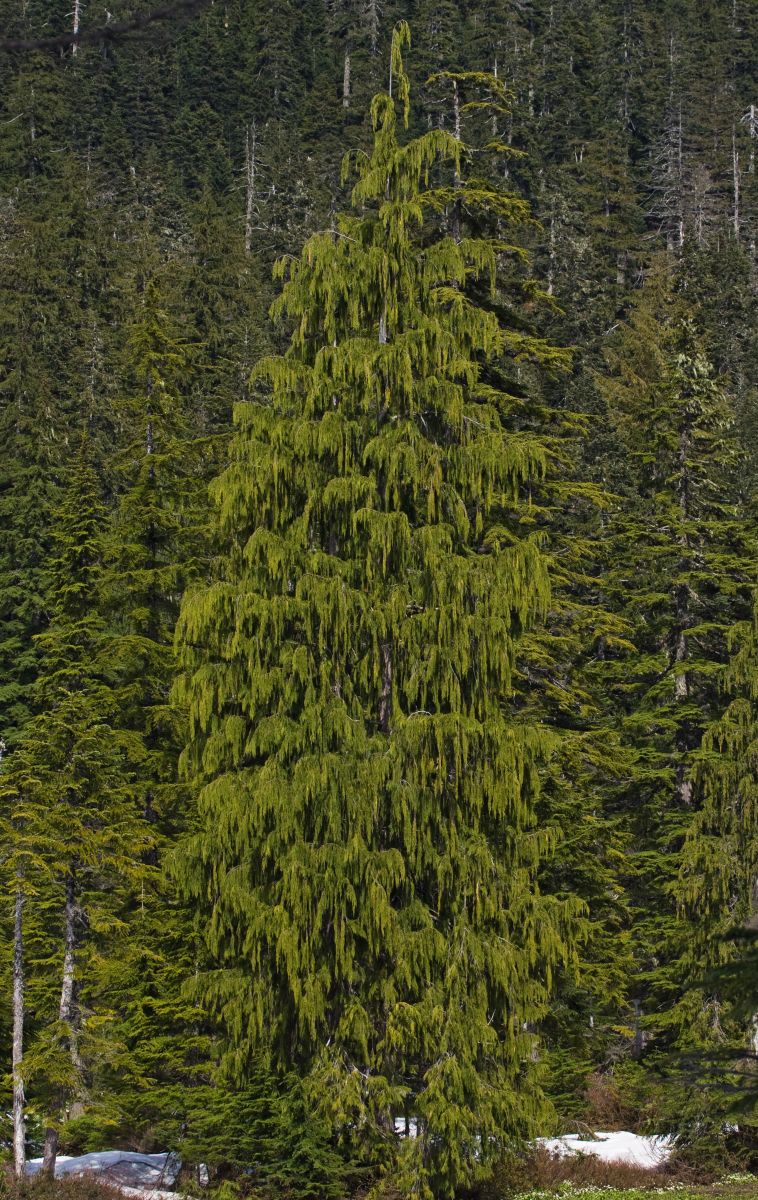

Yellow cedar and grapefruit – both plentiful and inexpensive sources for
Nootkatone. Working with and/or burning cedar may have naturally repelled
mosquitoes for indigenous populations.
For more information:
Science Direct Nootkatone
Wikipedia Nootkatone
NPR Repelling Bugs With the Essence of Grapefruit
Double Tree (commercial site): How Burning Cedar Wood Repels Mosquitoes Naturally