
Dallas Morning News – December 17, 2018
Poinsettias and other Dangerous Plants
Poinsettias are not poisonous. Surprised? Yeah, that fallacy was based on a child’s sickness that had nothing to do with poinsettias. On the other hand, what plants to avoid due to real toxicity is a confusing issue. Most lists available contain mistakes. Some list plants like begonias, periwinkles, caladiums, English ivy, garlic, yarrow, nandina, hibiscus, portulaca, St. Johns wort, wandering jew, lantana, larkspur, etc.
Begonias, yarrow, garlic, hibiscus and portulaca are all edible plants and/or beneficial herbs. I use lots of larkspur (the most toxic plant on the lists) and encourage others to plant it because it is a wonderful wildflower. Many other plants on these lists are ubiquitous and no problem to animals or people at all. If they were a problem, I would have had at least one report of such over the past 40 years. See my
information for a different point of view.
I love helping the SPCA find homes for their great pets, but it looks like we need to help them with their dangerous plant list. If all these plants were avoided, landscaping would be very difficult.
– 888-222-1222.
is pretty good but has poinsettia as poisonous, so might have other mistakes.
may be the most helpful source, but isn’t perfect. 1-800-222-1222.
is pretty good but very incomplete and has some errors. For example, it says that all parts of elderberry are poison. Sorry, but the fruit is delicious and I eat it often.
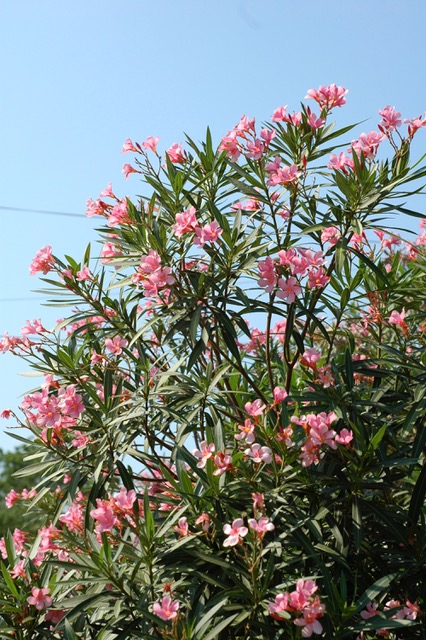
Some plants can definitely be poisonous. Others can irritate the skin. For some plants, all parts of the plant are poisonous. For others, only certain parts are harmful. Danger can range from mild irritation to severe illness or death. Oaks are listed as toxic but you’d have to eat a lot of acorns or leaves to have a problem. The most commonly used seriously poisonous plant is oleander, however I’ve never heard of anyone eating it.
Common Sense Rules:
- Keep indoor plants where children can’t reach them.
- Watch young children carefully when they play outdoors.
- Teach children always to ask an adult before eating or drinking anything.
- Only eat wild plants if you know for certain what they are. People have died after mistaking hemlock for wild carrots for example.
Even non-poisonous plants can cause choking in some cases. If someone eats a suspicious plant, call Poison Control Network for advice. Find out the names of your plants. If someone eats a bad plant Poison Control needs to know what it is!
Best recommendation probably – buyer beware. Don’t eat anything that that is not a proven edible plant.