
Sorrel
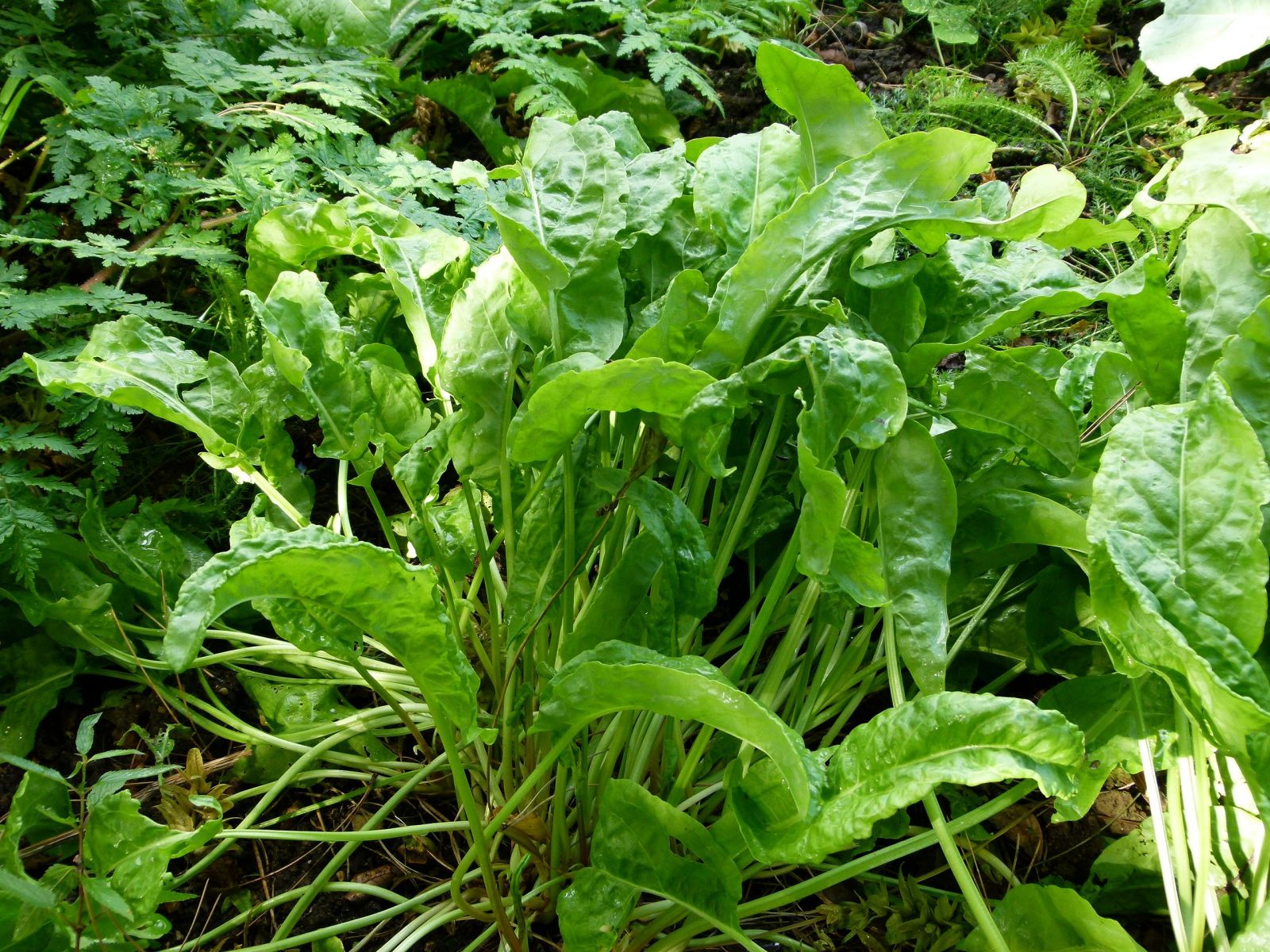
Sorrel. Wikimedia CC photo
Common Name: Sorrel
Botanical Name: Rumex acetosa
Family: Polygonaceae
Type and Use: Perennial with edible foliage.
Location: Full sun to light shade
Planting Dates: Spring through fall
Planting Method: Transplanting in the cool season is the best method
Seed Emergence: 3-14 days at 70°.
Harvest Time: Harvest and use the leaves in salads any time. The younger leaves are more tender and tasty.
Height: 12-24 inches
Spread: 24 inches
Final Spacing: 12-15 inches

Sorrel seeds. Wikimedia CC photo
Growth Habits: Leafy, upright, top growth, deep roots. Growth is in clumps similar to spinach and lettuce.
Culture: Easy to grow in any soil. Flower stems are fast growing and tall and should be cut away.
Troubles and Solutions: Slugs and snails can be controlled with cedar flakes, Diatomaceous Earth, hot pepper products, and garlic/pepper tea spray.
Harvest and Storage: Cut and use the leaves any time. They can be stored in the refrigerator but are much better eaten fresh in salads or used to flavor other foods. Good to use with or instead of lettuce on sandwiches.
Notes: Also called French sorrel. Contains lots of vitamin C.
Varieties: Rumex crispus is curly dock. Rumex acetosella is wood or sheep sorrel.
Nutrition facts: There are a number of “possible” and “maybe” and “mights” to some folkloric claims about sorrel in this article, but it also contains a USDA nutrition chart with information about vitamins, fiber, and more. https://www.organicfacts.net/health-benefits/herbs-and-spices/sorrel.html
Updated July 2021