
Organic Answers Column – October 11, 2023 – Squirrel Damage
Squirrel Damage Causes Foliage Dead Spots in Trees
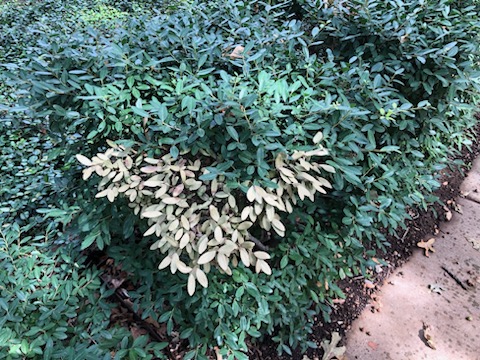
Have you spotted areas of dead leaves in the canopies of your trees? Not the entire tree, just branch clusters turned a dead brown. Is it disease, insects, lightning strike, or wind damage? It could be any of those things, but chances are good that it is injury to branches by our squirrel friends. In my experience this happens to pecans and live oaks mostly but can also show up in maples, ashes and other species. What’s killing the leaves is the damaged cambium layer (directly under the bark) that the squirrels have eaten. As they chew through the bark to get cambium they girdle stems and limbs. Bark eating can happen to any tree, even small ones in pots. It happens a lot on red buds, Japanese maples and other smooth barked trees. In the big trees, squirrels and sometimes other rodents go after the smoother bark of the newest and youngest growth. Look around town and you’ll notice that it is common after intense, droughty weather like we had for the summer of 2023.
Repellents and pesticides won’t work on the trees that are being attacked, that would be a total waste of time and money. As usual, there is an organic solution that works effectively. It’s called the Sick Tree Treatment. If you are new to that term, it’s a procedure, not a product. The first and most important step is clearing excess soil and mulch off of the root flare. The more dramatically this removal is done, the better it works. The rest of the procedure includes the aeration of the root zone and the application of compost, rock minerals like lava sand and Azomite, and sugars like dry molasses and cornmeal. Yep – the same organic stuff we use for bed preparation. Heard of this technique before? Of course you have – that’s because it works to solve so many plant problems, such as galls, borers, various insect attacks, oak wilt, and most all other diseases. It’s a major tool in the Dirt Doctor kit of organic management tools.

Squirrels girdled branches (now brown) going after the higher sugar content
Why—and how—does it work? The Sick Tree Treatment relieves the tree’s stress that can be caused by harsh or erratic weather, too much or too little water, too much or the wrong kind of fertilizer, soil compaction or contamination or being too deep in the ground. Due to the way trees come from commercial nurseries deep in black pots they usually start out too deep in the ground. That is the most common issue. Add dramatic weather to that condition and the problems appear.
You may be asking why do the squirrels primarily attack trees that are in stress? When trees are under stress they concentrate complex carbohydrates (sugars) for self-healing purposes – and the squirrels can detect the shift in sugars. Following some or all of the steps of the Sick Tree Treatment improves tree health and squirrels and other damaging animals go look for other trees.
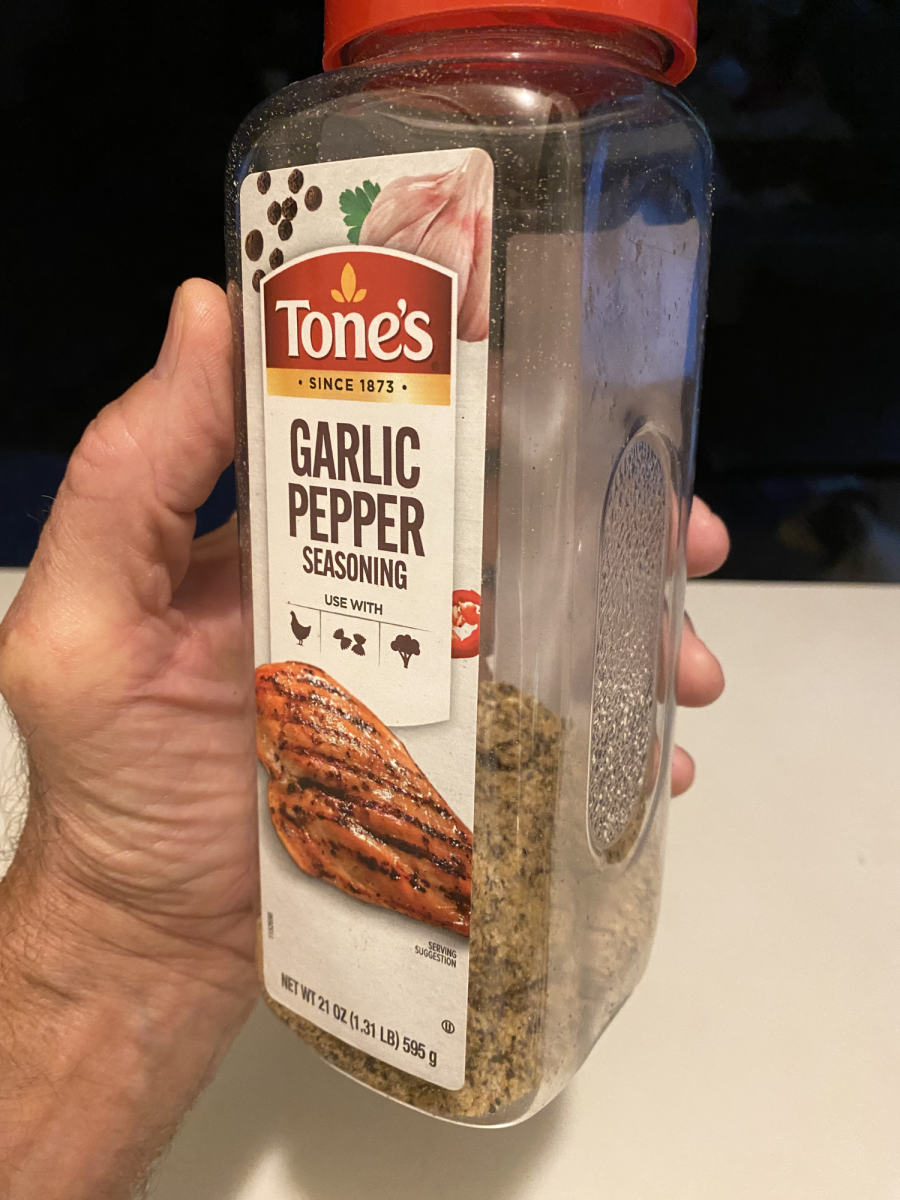
Granulated garlic spice products will repel garden pests
Next time any of these dead spots form in a tree or a shrub, look at the stem just below where the brown leaves begin. You may find that a rodent of some kind has chewed the stem all around (girdled it). Squirrels are doing this to trees all over the place this year. In other parts of the yard rats, mice and even rabbits might also be the culprits, so in addition to the Sick Tree Treatment, try drenching the beds with garlic or garlic/pepper tea or broadcasting dry granulated garlic and watering it in. Much of this behavior is triggered by a weather stress problem. I recently bought a garlic and black pepper product from Sam’s Club and broadcast it into a flower bed that armadillos had decided to plow every night – and it worked, they moved on.
