
Dallas Morning News – August 31, 2017
Understanding the Basic Organic Program
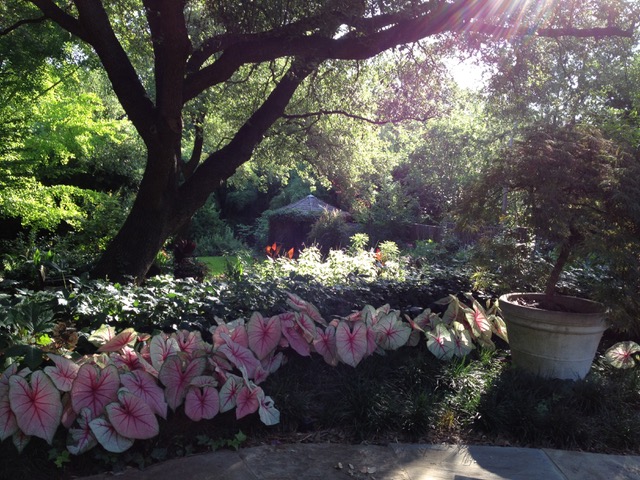
Why are the majority of homeowner’s and landscape professional still using the toxic chemical approach, even though the organic approach has been proven so successful on residential and commercial properties? There are several reasons – one probably stronger than the others.
1.
Terms and names of products aren’t well understood
. These concepts and details are not usually covered well in university teaching or research. In addition, no comprehensive organic program is being taught by any major university.
2.
Income from chemical sales
. People whose income results directly or indirectly from artificial pesticides and fertilizers are understandably reluctant to see the benefit of organics. At stake here are advertising money, commissions, research grant money, cash flow and basic salaries.
3.
Paradigm problems
. Some people aren’t stupid: they just can’t see the alternative it at all. To these folks organic techniques just aren’t worth considering as proper horticulture and agriculture. What’s missed is how significantly the world is changing and that working with nature is much easier and more cost effective than trying to dominate it with toxic chemistry.
4.
Fear of loneliness
. Most people feel intimidated about going against the grain, being mavericks or pioneers. It is comforting to be doing what others are doing—even if it’s wrong. With the organic approach, each person needs to accept more personal responsibility.
5.
Inability to admit being wrong
. This may be the most powerful obstacle. The loudest critics of organics are those who are the most schooled in using the “treat-the-symptom-with artificial-products” approach. Some PhDs understand nature’s workings, but many focus only on their specialty and don’t consider nature as a whole.

Today large-scale commercial projects use organic programs, many landscape contractors practice organics, hundreds of small commercial projects are under way, and tens of thousands of organic residential gardens are thriving. Yet organiphobia persists. Although, toxic-chemical rescue programs are on the decline and organic methods are gathering momentum. The reason is simple: The Natural Way works best.
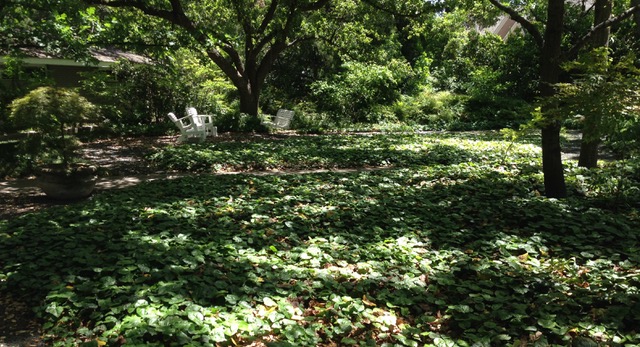
Stimulating and maintaining healthy soil is the key. It is not complicated – just different. Simply stop doing what hurts the life in the soil and instead choose only those inputs that benefit life in the soil.
1. Stop using all synthetic fertilizers and toxic pesticides that harm living organisms. High high-nitrogen fertilizers feed plants poorly and actually hurt soil microbes. Toxic chemical pesticides control pests poorly, and they are toxic.
2. Build soil health with natural organic fertilizers and amendments. Apply compost, rock materials such as lava sand and microbe stimulators like dry molasses and cornmeal.
3. Use native plants and well-adapted introductions that behave themselves, water carefully and use soft-acting natural pest controls when needed.