
Diseases – Organic Answers Column January 15, 2025
Organic Disease Control Methods
The ratio for solving plant disease problems in the organic program is to spend about 20% of the time talking about disease control and 80% or more discussing insect control. That’s because disease control issues are so much easier to solve when they occasionally pop up in the organic program.
When plant diseases occur they are about microbiotic activity being out of balance. Microbes being out of whack means pathogens are going to create problems. When the microbes are in their proper proportions, pathogens such as Rhizoctonia, Pythium, Fusarium, etc. function in a positive way. The reason why we say not to use products like Bayleton and Daconil is because they don’t work well, especially in in the long run. Why? Because they indiscriminately kill the good guys as well as the bad, throwing things further out of balance.
Most plant diseases can be solved by improving the soil to a healthy condition.
All of the products in Basic Organic Program help control disease to some degree because they help improve the soil. When soil is healthy, plants are healthy. In healthy soil and healthy plants there is a never-ending microscopic war being waged between the good and bad microorganisms – and the good guys win. Disease problems are simply situations where the microorganisms have gotten out of balance. (See the acceptable and unacceptable products for an organic program here.)
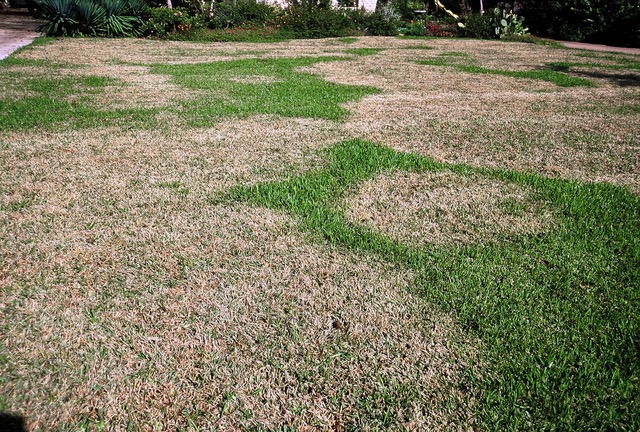
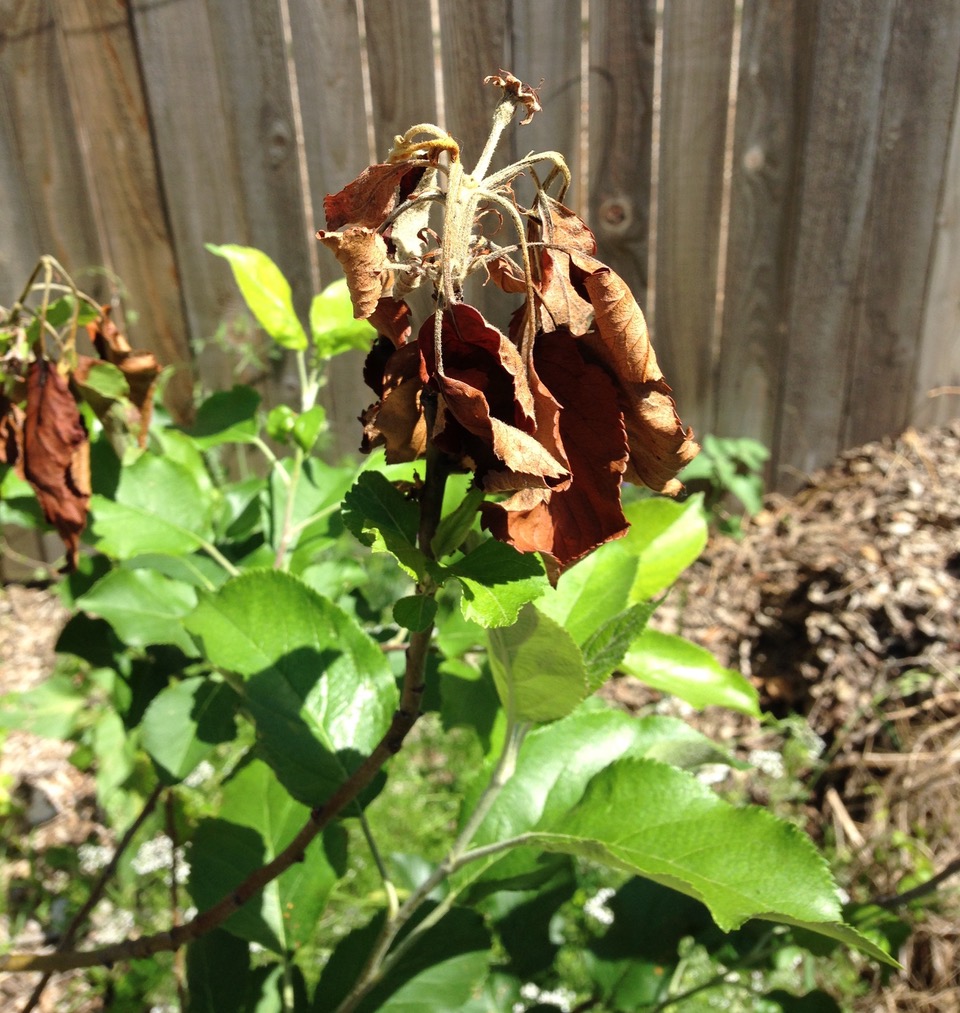
Everything from Brown Patch fungal disease (left) and fireblight can be solved by organic methods.
In today’s yards and gardens the primary cause of imbalance in the soil leading to plant disease problems is the use of high-nitrogen synthetic fertilizers and toxic chemical pesticides. Plant diseases are usually caused by three major types of living organisms: fungi, bacteria and viruses. A good thought process when purchasing gardening products is to ask yourself this question: “If I buy and use this product, will it help or hurt the life in the soil?” Pretty simple.
The right amount of moisture is also important for the health of the soil. Enough, but not too much. For this reason drainage is a key ingredient for the prevention of diseases. Beds, lawns and tree pits that hold water and don’t drain properly are ideal breeding places allowing disease organisms to flourish, and when out of balance they can damage or even kill plants. Once again the natural organic program helps. All the recommended products help the life in the soil and healthy soil holds moisture at the proper level longer and helps drain away excess moisture more efficiently.

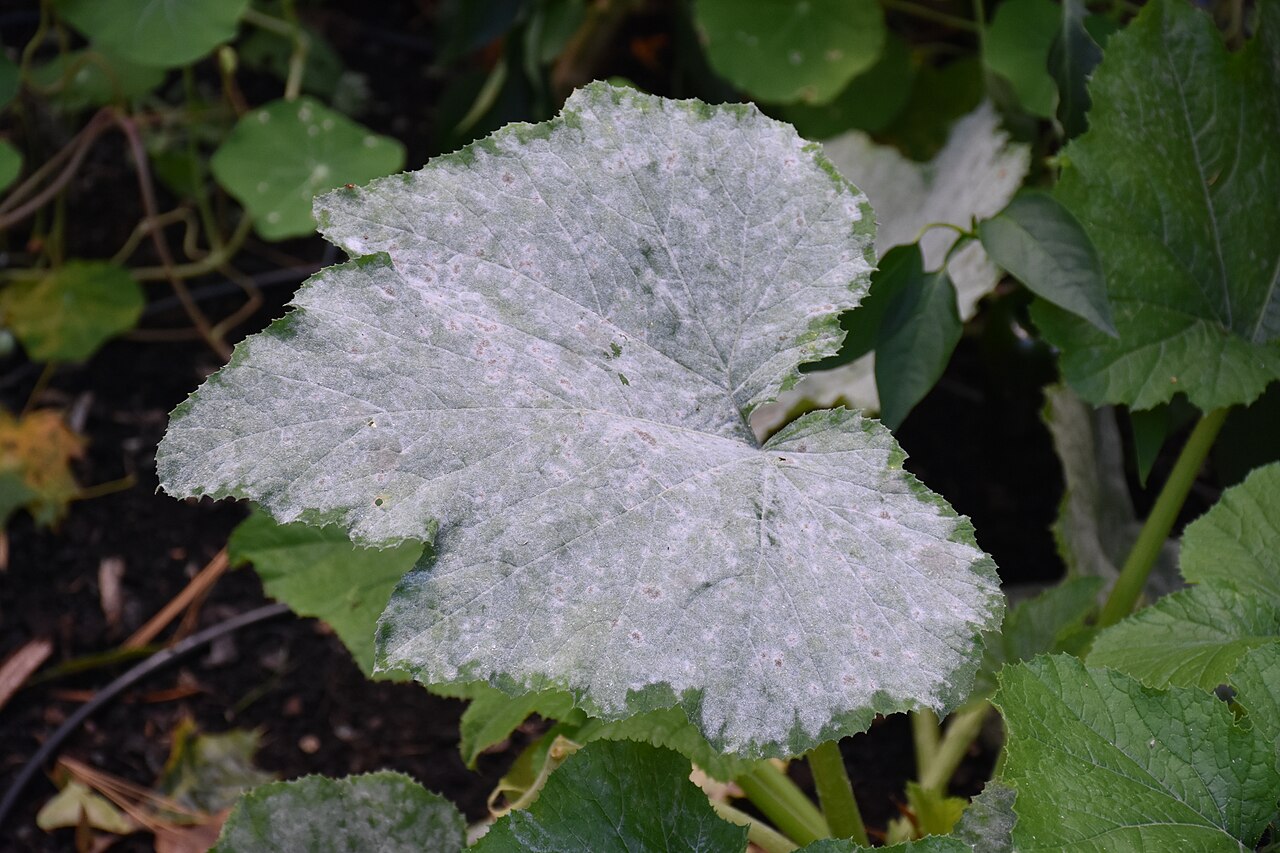
Problems like tomato blossom end rot (left) and powdery mildew (photo by Dmitry Brant, via Wikimedia) are solved
(or prevented) through treating the soil.
What types of products are we talking about? 1. Compost and organic fertilizers. 2. Rock minerals like lava sand and Azomite. 3. Sugars like molasses and cornmeal. There is a complete list of acceptable and unacceptable products provided by the Texas Organic Research Center (TORC) available here.
For starters, high quality compost alone may cure many plant diseases. Whole ground cornmeal can do it even more efficiently. They both work by stimulating a beneficial fungus called trichoderma that overpowers the pathogens to bring them and the soil back into balance. I know there are critics and deniers, but please ignore those sad folks who won’t try safer methods.

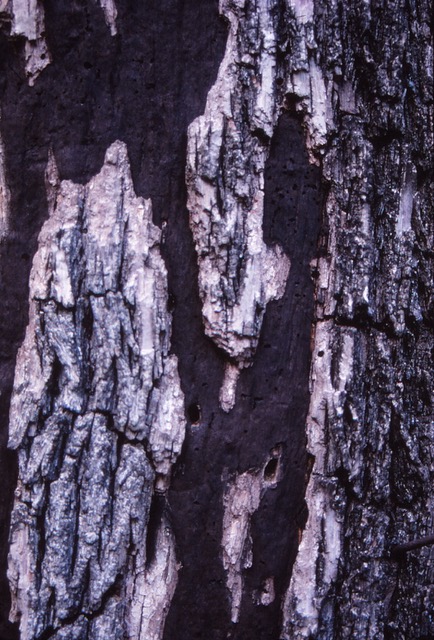
Early blight in tomatoes (left) and hypoxylon canker are both conditions that respond
to organic programs
Pest and Disease Control are two of the most popular topics on my speaking tour. Fewer homeowners and business folks want to continue using toxic chemicals if low impact solutions that work are available. Of course they are – and that’s what we talk about on the radio show most weeks.
