
Organic Answers Column – November 22, 2023 – December Calendar
Organic Maintenance – December
Plant
Cool season annuals and hardy perennials – use seed or transplants for delphiniums, larkspur, poppies, arugula, cabbage, kale, Swiss chard, greens, spinach, lettuce, carrots and garlic (bulbs, corms or rounds). Trees, shrubs, vines, ground covers and permanent crops. Herb transplants including lavender, oregano, rosemary, rue, sage, parsley, coriander, dill and fennel. New plants may need some freeze protection with floating row covers. Living Christmas trees that are adapted to the area. Spring bulbs, including tulips and hyacinths. It’s perfect now to transplant shrubs and trees.

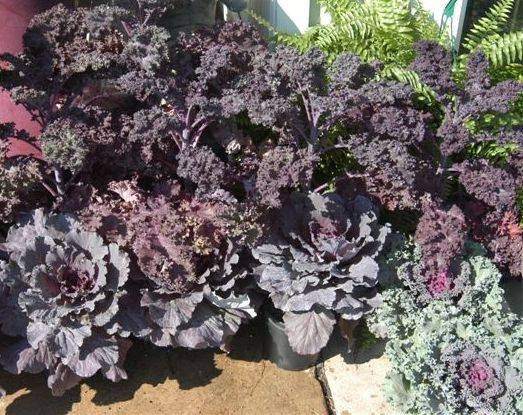
Plant cool season cruciferous crops such as broccoli, cabbage, and kale, now. Broccoli photo by David Martin.
Fertilize
Use good quality recommended organic fertilizers (avoid all synthetic fertilizers). Cool season annuals in beds and pots with organic fertilizer and Garrett Juice. Greenhouse plants with organic fertilizers, earthworm castings and lava sand. Houseplants with earthworm castings, lava sand and other odorless organic fertilizers. Coffee grounds are one good choice. Add apple cider vinegar at one ounce per per gallon at each watering. Winter grasses with mild organic fertilizer at one-half the usual rate. For fertilizing around trees, see the Organic Fruit and Pecan Tree Program for details.
Prune
Evergreens to adjust appearance. Shade trees to remove dead, damaged and out of place limbs. Do not prune the tops off of crape myrtles: the seedpods are decorative and some small birds like the seed. Remove the tops from spent perennials. Do not prune just to “thin out” trees. Trimming can be done to avoid crowding to allow more light to under-story plants and to eliminate co-dominate vertical growth. Wait till the end of winter to prune fruit trees and grapes to prevent premature flowering and frost damage. Use the dormant months to remove ground covers and vines from the bases of plants, especially from all trees. Do not make flush cuts and do not apply pruning paint at this time to any plants.

This prune job left the branch collar in place – this is how it should be done.
Water Any dry areas to help protect against desiccation and winter cold injury. Potted plants as needed. Add apple cider vinegar or Garrett Juice at one tablespoon to one ounce per gallon, time permitting.
Pests
- Spray houseplants with mild soap or essential oil products if needed to control scale, mealy bugs, spider mites and other insects.
- Orange oil-based mound drench solutions can also be used for fire ants.
- Horticultural oil can be used for heavy insect infestations (such as scale) but only in extreme cases to avoid killing beneficial insects and microbes.
- Diseases: Spray garlic tea or hydrogen peroxide products on plants with fungal diseases. Apply dry granulated garlic to the soil for addition control.
- Apply dry granulated garlic to the soil for addition control.
- Weeds: Remember that henbit, clover, and other wildflowers are beautiful, so don’t worry about spraying them in most cases. If you must, use vinegar products between Christmas and New Year’s.
- Cut mistletoe out of trees. Remove infested limbs if possible. Apply the Sick Tree Treatment. Also apply the Sick Tree Treatment to other stressed trees such as those with heavy infestations of galls.
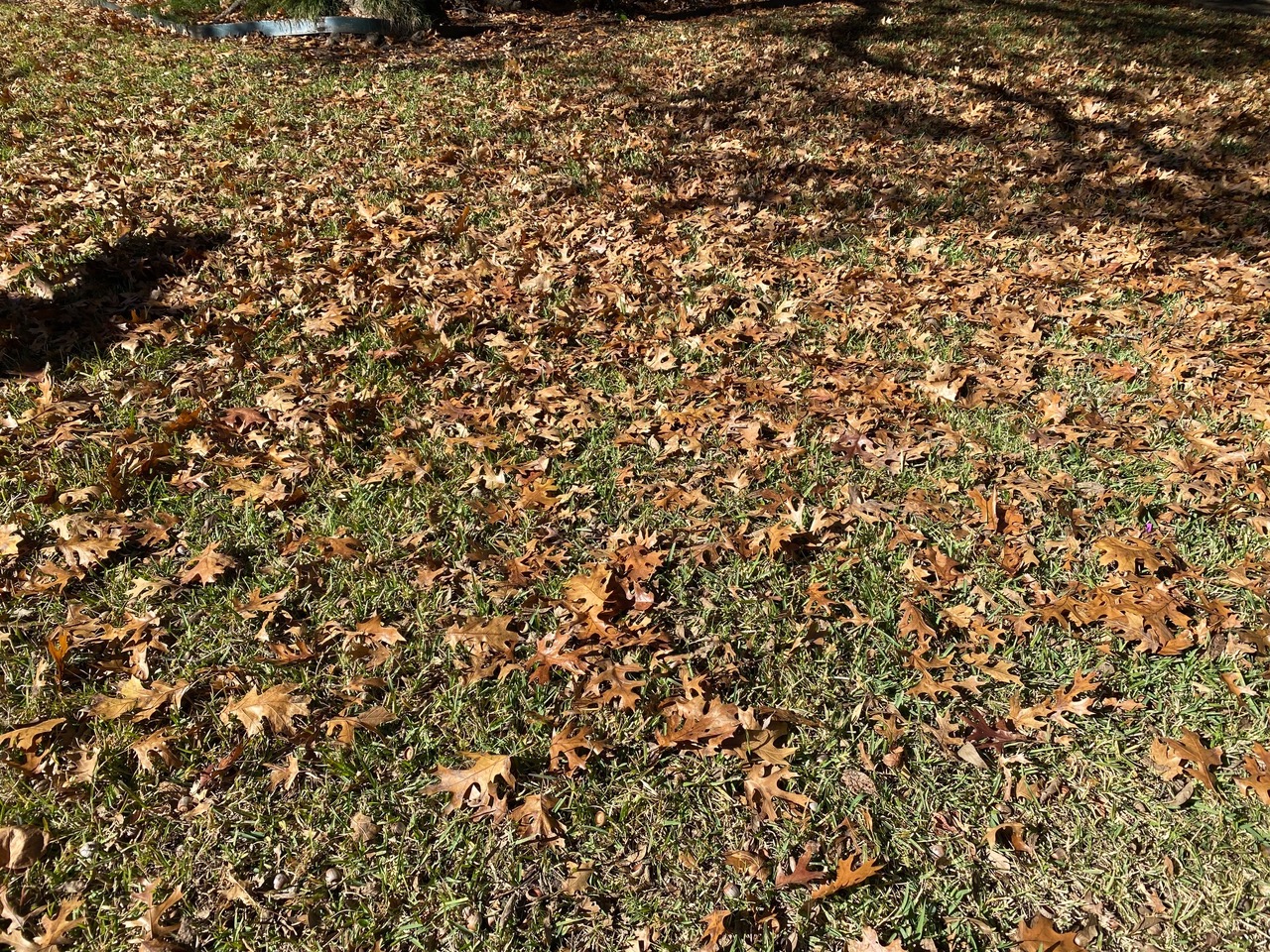
Don’t bag those leaves; mulch them into the turf
Odd Jobs
Continue to mulch leaves into the turf. Cover tender plants before freezes with floating row cover. Potted plants can be covered with large plastic trash cans. Pick tomatoes the night before first freeze, unless they are already gone. Mulch all bare soil with partially completed compost or shredded native tree trimmings. Turn compost piles as time allows. Add molasses to speed up break down. Apply lava sand or decomposed granite on icy paving. Do not use chemical deicers, salt, or synthetic fertilizers.
Planting recommendations based on North Texas climate, which is zone 8. Check with your local nurseries and extension service for specific varieties and timing.
