
Small Trees – Organic Answers Column December 4, 2024
Small Trees Are Gems In Your Landscaping
Fall is the best time of year to plant trees, and there are so many good ones to choose from. If you have a small yard or have large trees and want some undercover filler, consider small trees that prefer partial sun and can offer a different scale and texture in the understory part of the garden’s strata. Planted among big trees, smaller trees are needed – for a couple of reasons. They provide a different scale and texture and many provide flowers and varying fall color. These are some of the little trees that will give you the most interest and best chances of success in north Texas.


Redbud (left) and Mexican Plum (fall color)
The classic redbuds has dark bark, a graceful structure, large heart-shaped leaves, purple or white spring flowers (that are edible) and yellow fall color that varies depending on the weather. These will do well in sun or shade.
Mexican plums are graceful for sunny or shady residential gardens. They have interesting exfoliating bark but be warned – they also have thorns! The white spring flowers are extremely fragrant and the trees have a pleasantly unusual orange fall color.


Mexican Buckeye, spring (left) and fall
Mexican buckeye is a rather well-kept secret. This small deciduous tree creates terrific interest in the spring with its delicate colorful new growth followed by showy purple flowers. The foliage is neat and clean all summer providing a beautiful yellow show in the fall. Plant the little buckeyes in sun or shade. These are also good in containers.
There are so many terrific Japanese maples. Some get large, some are dwarf, some are red in summer and others are green. They all have dependable fall color and they work well in beds or in pots. My oldest plant is a split-leaf Crimson Queen that we have had in various size pots for over 40 years. All enjoy some shade, especially in the afternoon, but the most sun tolerant is the species plant, Acer palmatum.
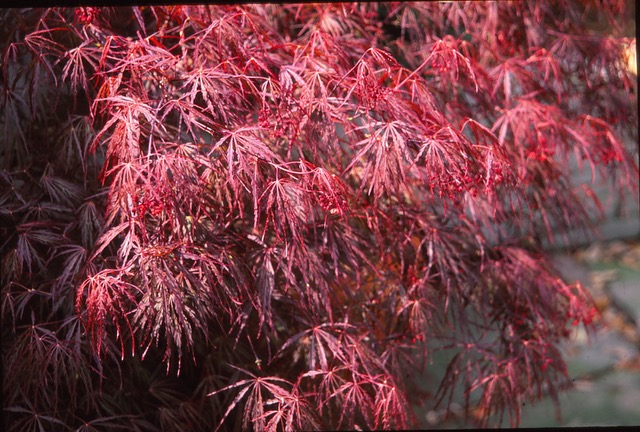
Japanese maple, variety Crimson Queen
Palms can make a surprisingly good understory tree. Of course, they will grow in the sun but are equally at home in the shade of larger trees. My favorite choice in this group is the needle palm because it is so dark green and a bonus – freeze tolerant.

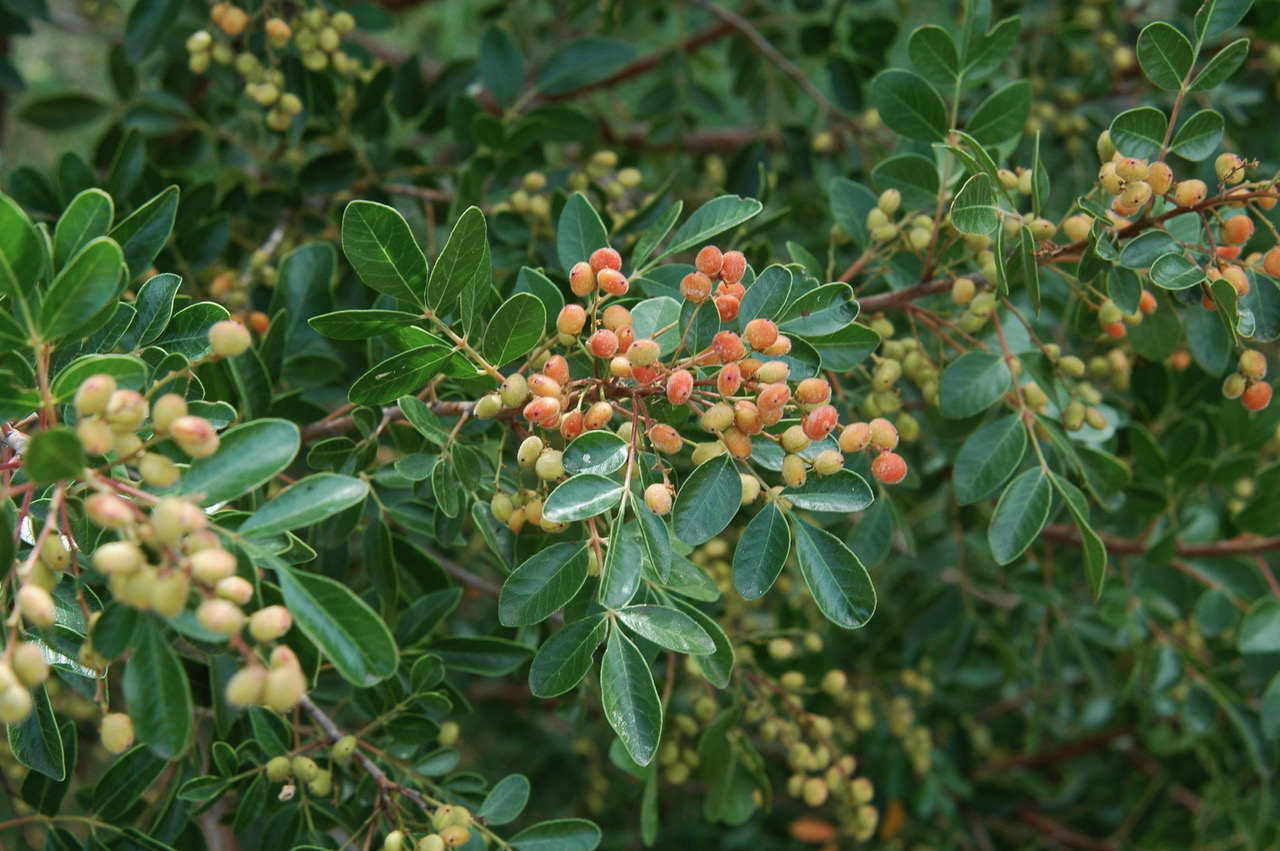
Two native sumac small trees: Aromatic (left) and Evergreen
For dramatic spring blooming look to dogwoods if you have sandy, acid soil such as in east Texas. That said, they will perform well in the black soils if planted in prepared beds. Use the basic organic amendments for this. The other native dogwood, called roughleaf dogwood, grows well in any soil, and has white flower clusters in early summer and purple color in the fall.
Rusty blackhaw viburnum is harder to find but worth the effort. This native small tree has white flowers in spring, shiny foliage, edible berries and bright red fall color.
Several hollies do well as understory trees. The best of the options include East Palatka, Savannah and the native yaupon holly.
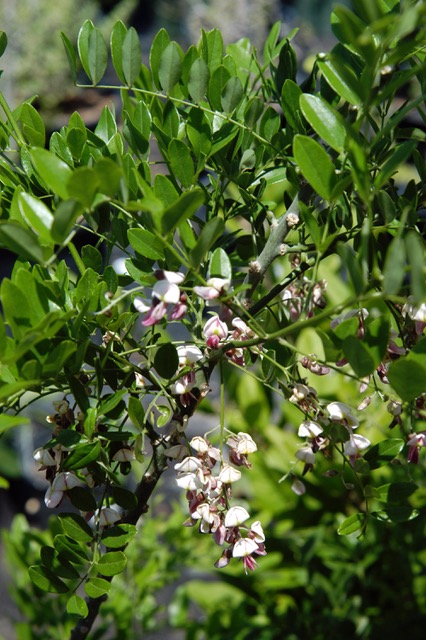

Eve’s Necklace (left) and Rusty Blackhaw Vibrunum
Two unique trees that grow a little larger and like more sunlight include Canadian red chokecherry, Persian ironwood and paperbark maple. All three have interesting foliage and texture as well as surprising color at unusual times.
For colorful natives that don’t become invasive consider the Aromatic sumac (Rhus aromatica) and Evergreen sumac (Rhus virens), two great small tree choices.
And finally, the best little tree choices for those areas in full sun include desert willow, Eve’s necklace, crapemyrtle and mesquite.
