

Dallas Morning News – March 22, 2018
Bay – Tough Plant for Landscape and Cooking

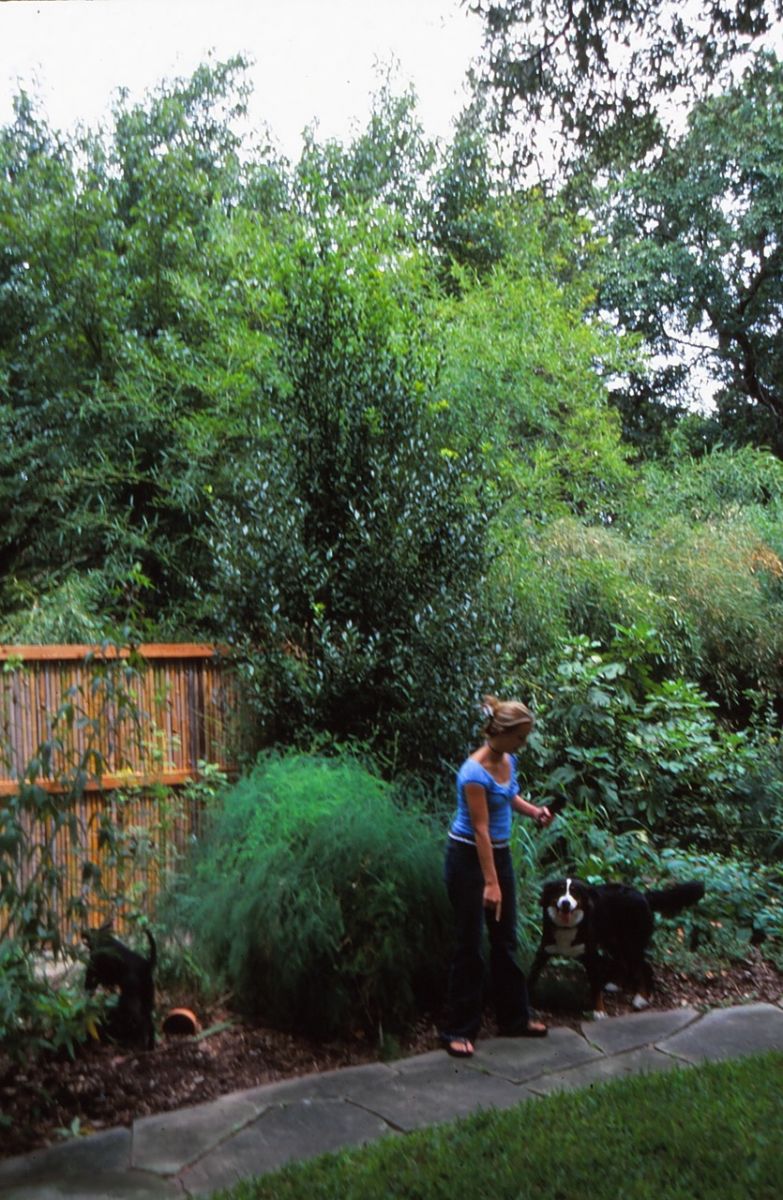
Howard’s bay 10 years ago
Bringing your potted bay plant indoors for protection may be a waste of time. Plant it in the ground. Bay is more cold hardy than some would have you think – especially under an organic program. Mine has been outside for over 25 years and is 30 feet tall today. Cosmetic damage has happened in the winter, but that was mainly last year when we had one day that dropped 50 degrees.
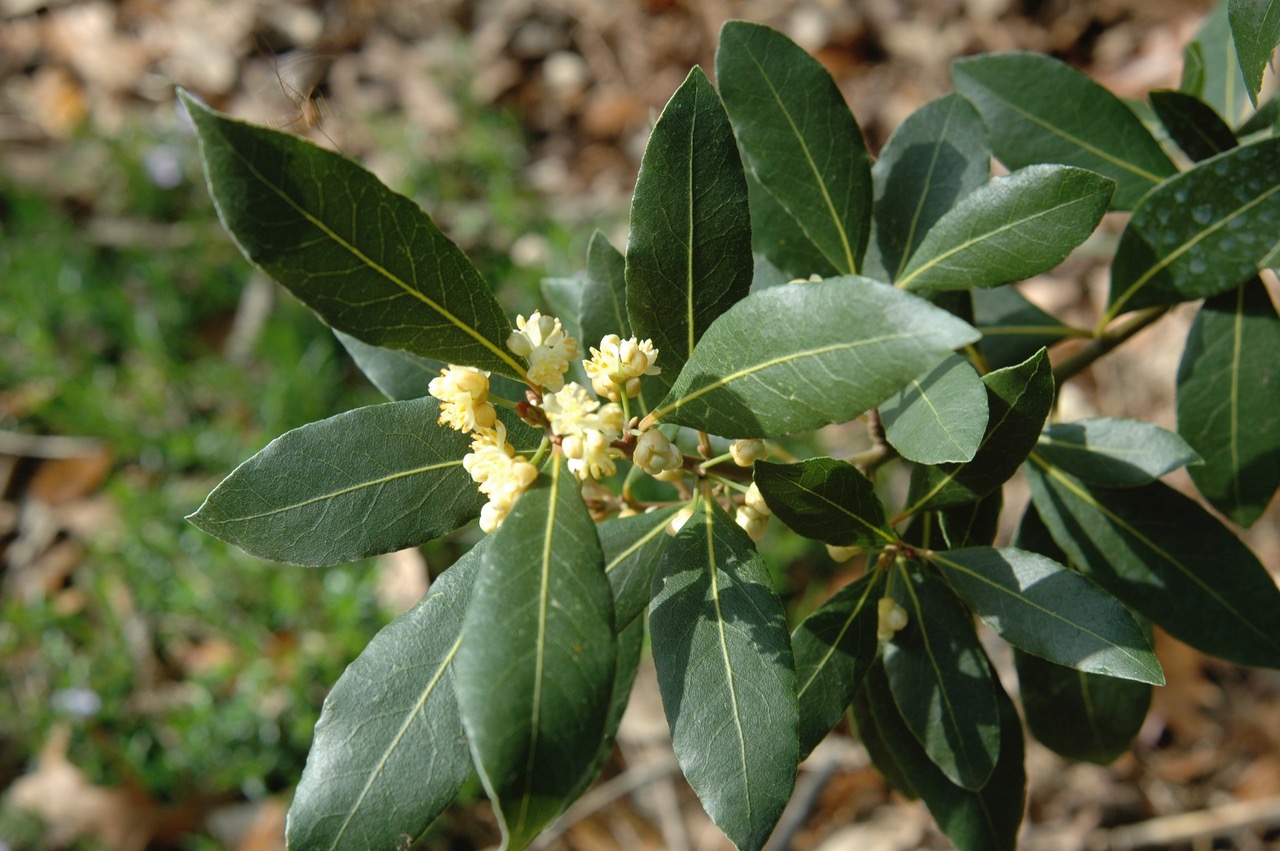
Bay in bloom
Laurus nobilis
(LAR-us NO-bi- lis), known as bay, laurel bay or sweet bay, is easy to grow as a culinary/medicinal herb and good landscape plant that should be used more often. It will do well year round in containers or in the ground in a well- prepared bed. It grows to 50 feet in height in warmer climates. Usually will stay under 10 feet in cooler climates. Bay is a really pretty, upright, evergreen shrub or small tree with small creamy flowers in late spring followed by shiny black berries.

Howard’s bay today
Harvest and storage is done by collecting the evergreen leaves year round and using them fresh or storing them dry in glass. Some chefs prefer the dry leaves but I use the fresh green ones since I have such a huge supply. One writer commented that the fresh green leaves cost about 10 cents a leaf retail. Let’s see – my plant has about 10,000 leaves. Hmm?
Bay’s uses are several, besides being just a good looking plant. It provides flavoring for many foods including soups, stews and chilies and herb tea.
On the medicinal side, oil of bay is used for skin diseases and bruises. Tea is taken to help treat sprains and aching joints. It is said to be mildly narcotic, a digestive aid and an appetite stimulant. Oil from the fruit is used in making soaps.
For the landscape, bay can be used as a centerpiece, patio plant or container plant. One of my herbalist teachers used bay as an evergreen hedge instead of hollies or boxwood and it was beautiful. It responds well to pruning.
For other uses, the leaves repel moths when placed in shelves or storage containers. They can also be used in potpourri and wreaths. Cut foliage is good for indoor arrangements although it doesn’t last as long as sweet myrtle.
Problems are few other than cosmetic freeze damage in severe winters if you live too far north.
My giant bay was started 25 years ago in a 6” clay pot but is now almost too big for the space. This is a great example of a plant’s increased hardiness under the organic program. You definitely need at least one bay in the herb garden, the vegetable garden or the landscape.
Home | Return to Archives