

Beetles – More Good Than Bad
Dallas Morning News – July 9, 2020
Beetles – More Good Than Bad
Today it’s beetle talk. Most beetles in the garden especially on the ground are actually beneficial – not pests at all. They are highly interesting, don’t hurt anything and help to control truly harmful insects.
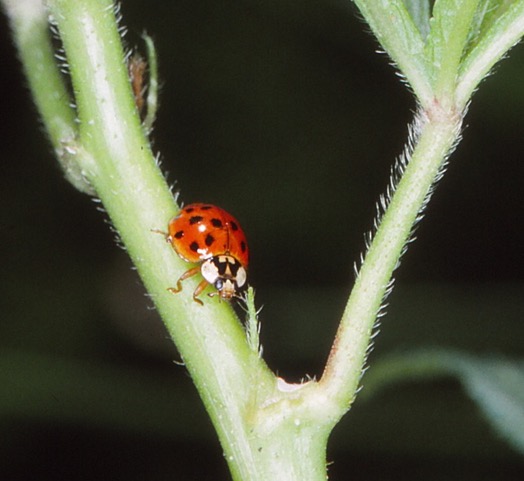
Harmonia lady beetle (lady bug)
Ladybugs are beetles and the poster children for beneficial insects. Most everyone realizes the ladies are beneficial – but there’s much more. Adults are shiny round beetles with short legs and antennae. Adult beetles come in many colors – black, red, orange, yellow or gray. Larvae are dark gray or black with yellow, orange, or white side markings. They look like small alligators with three pair of distinct legs. Short spines on each segment. Eggs are yellow ovals laid in clusters. Adults and larvae both eat pest insects.

The colorful caterpillar hunter or fiery search beetle, is a ground beetle
Ground beetles, those that you see running around on the ground, are good guys. They don’t bite, spread disease or eat plants. Those active at night are often black. Day hunters are sometimes brightly colored. Larvae are slender, slightly flattened, and tapered at the tail, which has two hairlike projections. Both larvae and adults eat caterpillars and many other insect pests. One of the coolest is the colorful caterpillar hunter or fiery searcher. If you see these beautiful beetles, be thankful and protect them.
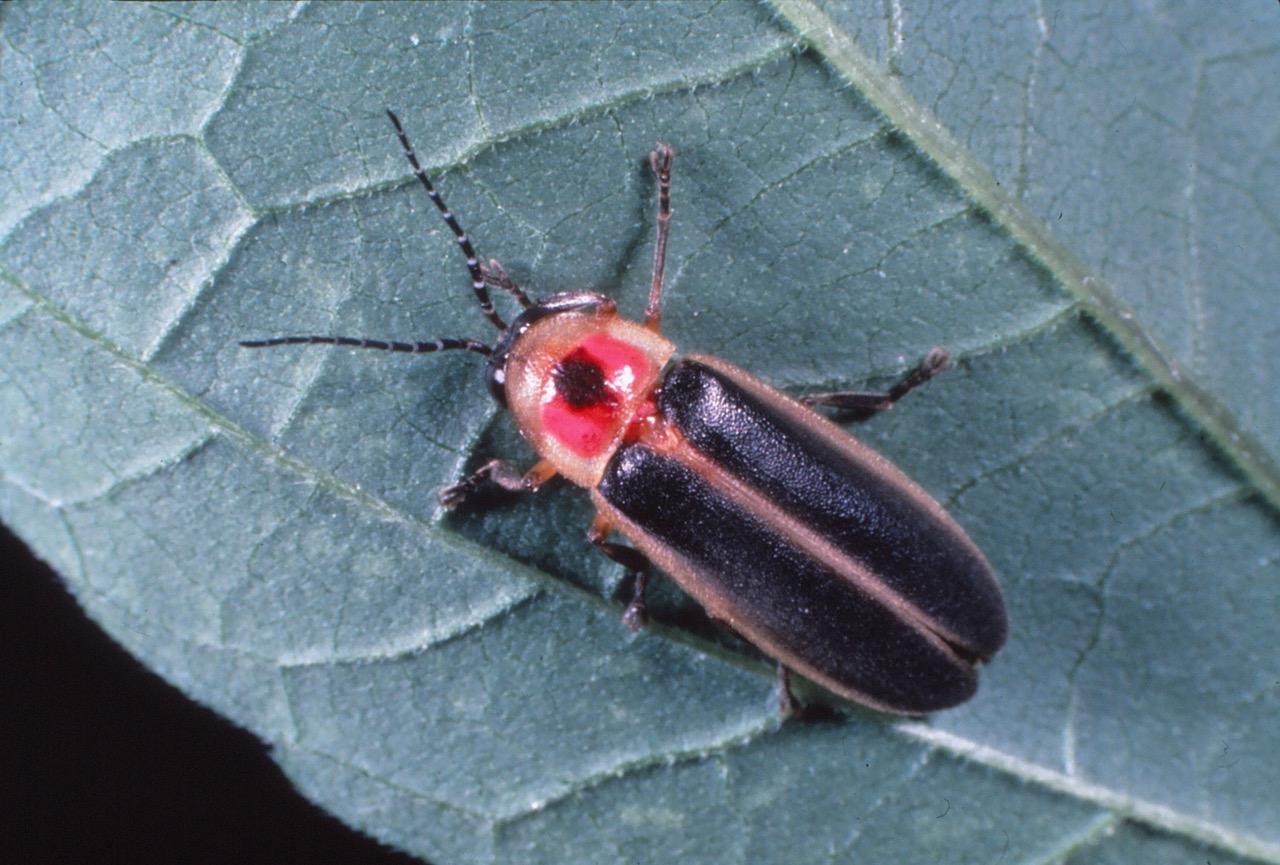
Firefly or lightning bug – pretty and beneficial
Firefly or lightning bug adults (yes they are beetles) don’t eat much of anything, but their larvae are carnivorous and eat snails, slugs, cutworms and other caterpillars. They don’t eat plants, sting or do anything unwanted, but they are delightful to see flashing in the night sky. Unfortunately the unwise use of toxic chemical pesticides and light pollution from urban development and other sources has reduced their presence over the past few decades. One of the many great benefits of the natural organic program is that the fireflies are returning on those projects.
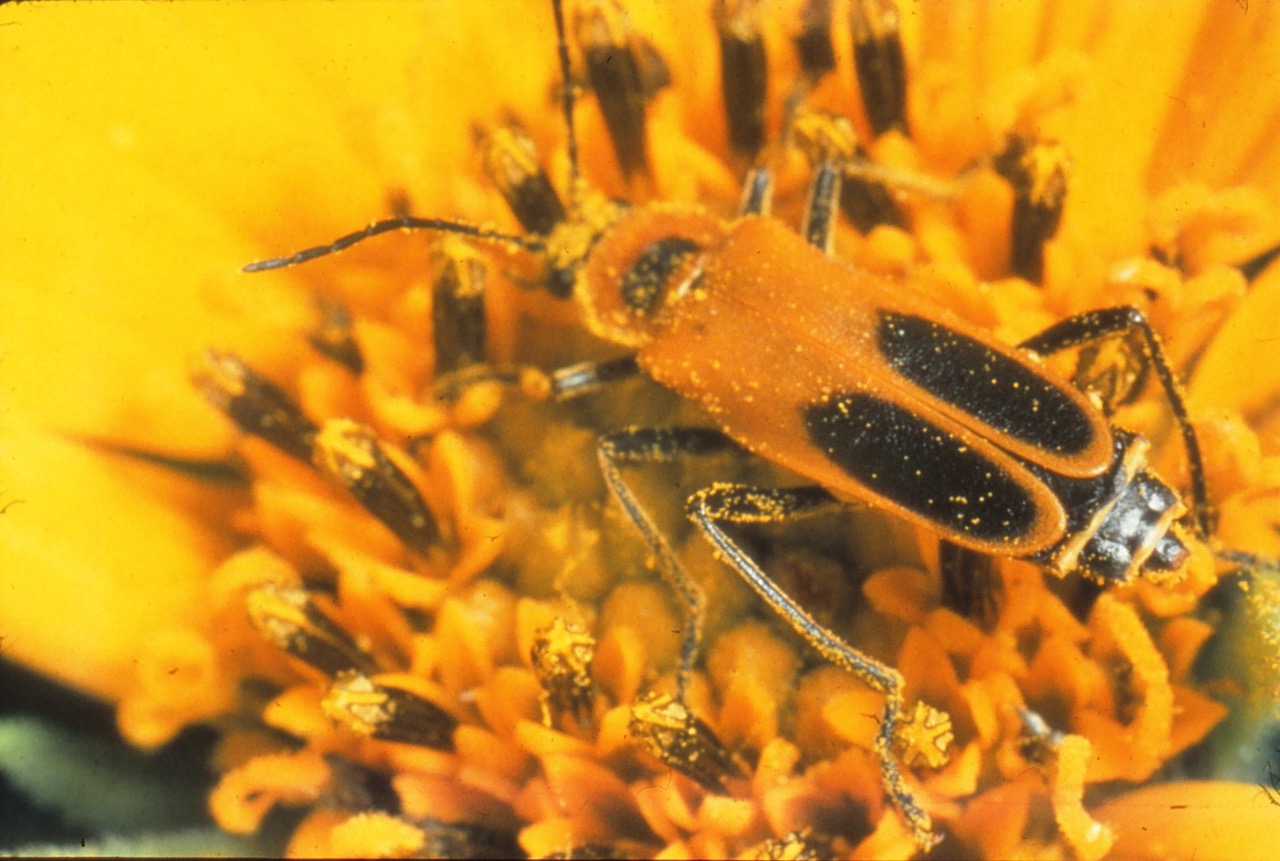
Beneficial yellow soldier beetle
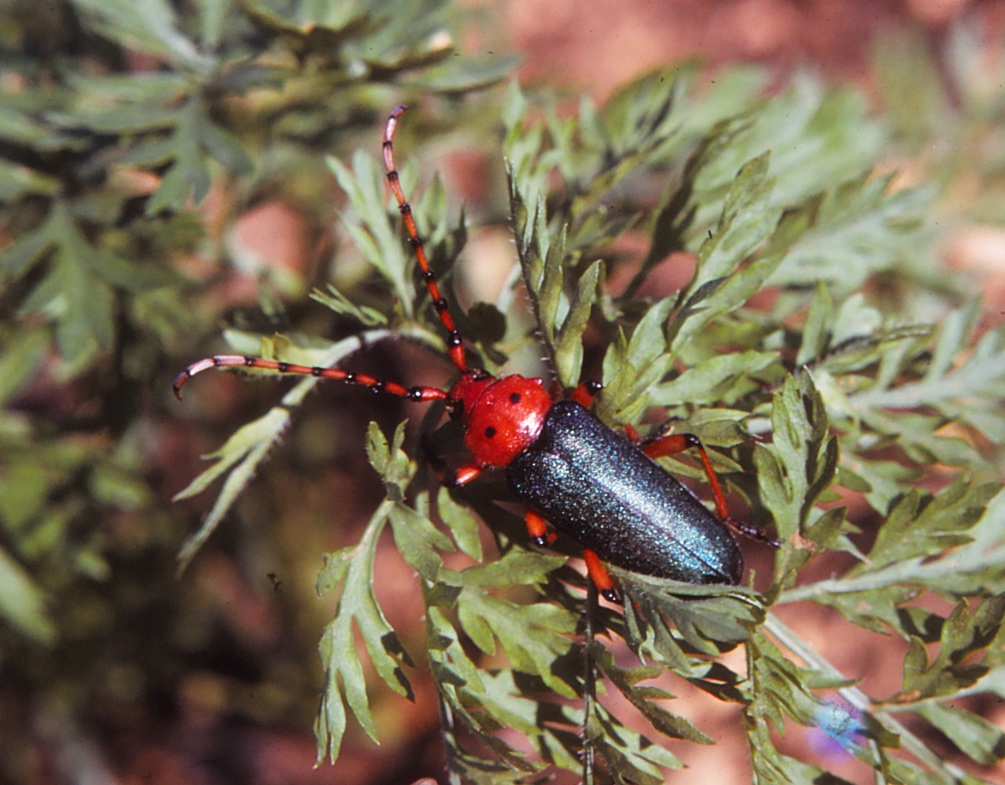
Red and black soldier beetle
Soldier beetle adults are long, narrow, soft-bodied beetles, often yellow or red with black or brown wings. Both larvae and adults have a velvety exterior. Wings are soft and parchment-like and don’t always reach the tip of the abdomen. Soldier beetles hunt for aphids and other small insect pests in marigolds, goldenrod, yarrow, daisies and other flowering plants.
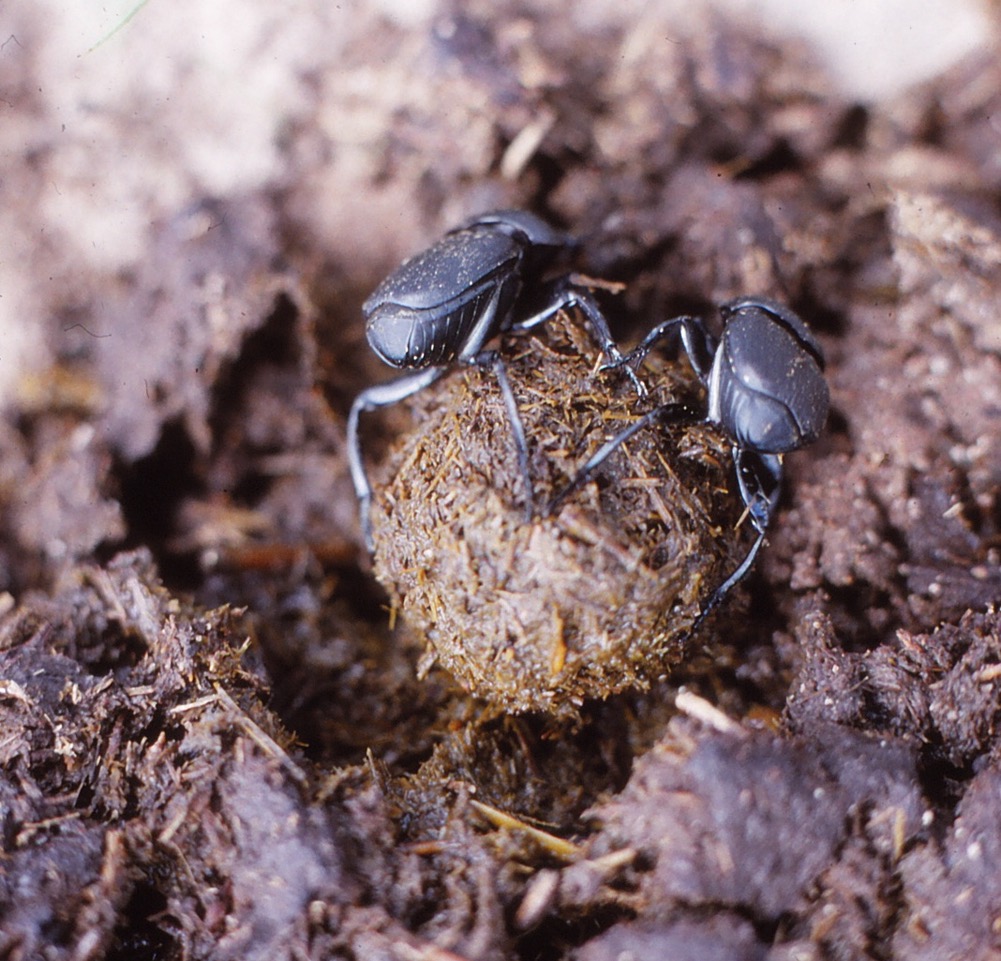
Dung Beetles or “tumblebugs” with their ball of dung
Dung beetles or “tumblebugs” roll manure into balls as large or larger than themselves. Female adults lay eggs in the balls and bury them to supply food for the larvae. Larvae hatch and feed on the manure. This whole process disposes of animal droppings and increases the health of the soil.
Rove beetles are fast-moving brownish or black beetles with very short front wings that leave much of the abdomen uncovered. Full-length hind wings are folded and concealed beneath the stubby front wings. When disturbed, they turn up the tip of their abdomen and assume a stinging pose. Larvae look like adults without wings. They are active at night and predators of aphids, springtails, mites, nematodes, slugs, fly eggs and maggots.
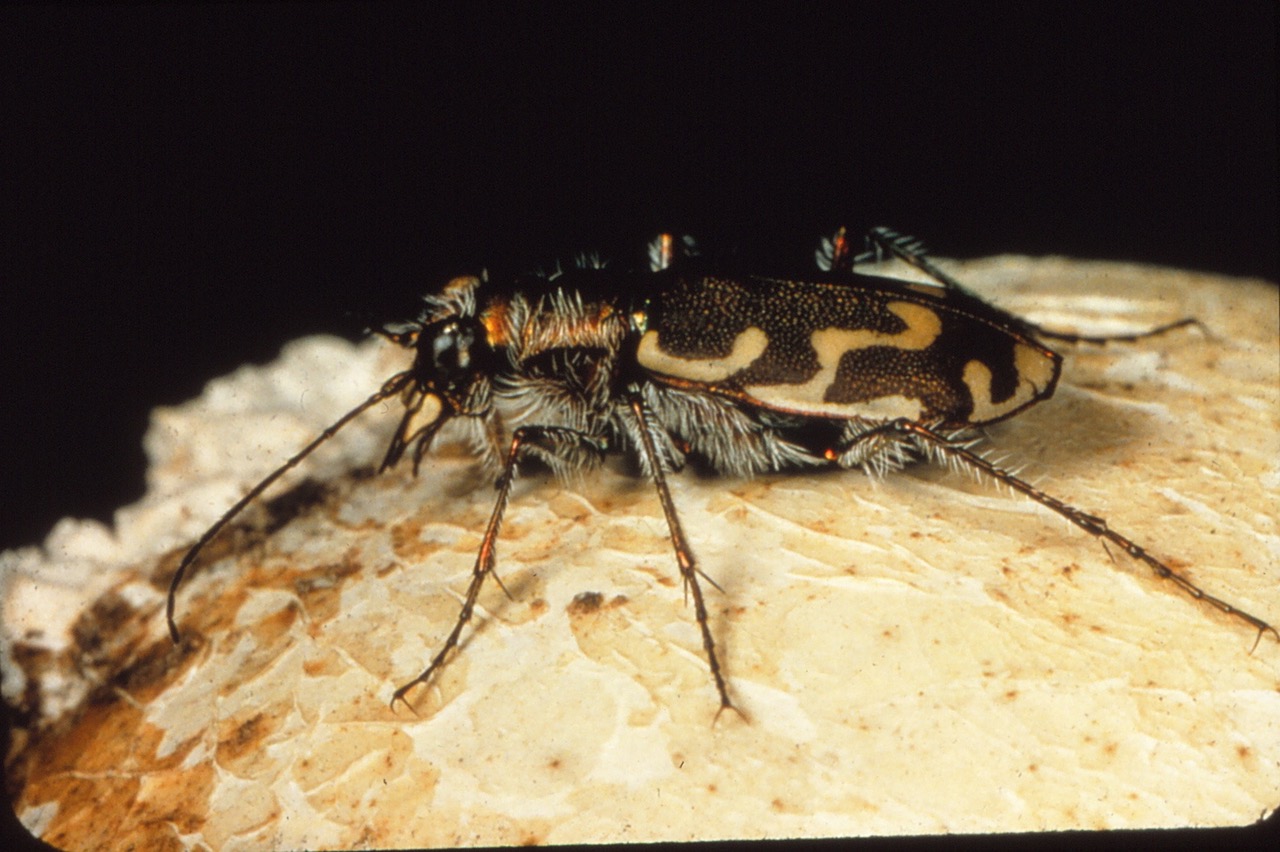
Tiger beetle is one of the beneficials
Tiger beetle adults are shiny, dark blue-green or black, often with bright-colored markings, large eyes and long legs. They are fast runners and strong fliers with a buzzing sound. Larvae are segmented and S-shaped; a hump on their back has hooks for anchoring in burrows. Adults and larvae eat many plant-eating insects. Adult beetles run their prey down. Larvae ambush them from their burrows. Ants are a favorite food.
Find more detailed information about the fascinating world of beetles in the Texas Bug Book by Garrett and Beck.