
Recommended: Books of Note Newsletter
NEW BOOKS OF NOTE
Growing Good Things to Eat in Texas
Profiles of Organic Farmers and Ranchers across the State
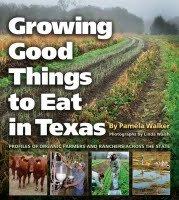
By Pamela Walker and Foreword by C. Allan Jones and Photography by Linda Walsh
As more and more people seek locally grown food, grass-fed meats and organic produce, independent, family owned and operated agriculture has expanded throughout the United States. Author Pamela Walker and photographer Linda Walsh review eleven farming and ranching families who are part of this food revival. It’s worth a read.
Pamela even took my advice and removed the word “Sustainable” from the title.
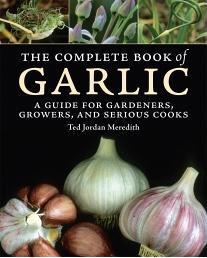
The Complete Book of Garlic
A Guide for Gardeners, Growers, and Serious Cooks
By Ted Jordan Meredith
Published by Timber Press
A great new book about my favorite herb/food plant that enjoys near mythic status among cooks, chefs, diners, and enthusiasts of natural remedies. Garlic cultivation occupies over 2 million acres of farmland worldwide, yet even garlic fanciers are often unable to tell hardneck from softneck, or Purple Stripe from Rocambole.
This book includes information on growing and buying garlic and recommendations for the best-tasting cultivars for specific uses and climates, along with lists of garlic sources and organizations. Don’t just read this book – plant some. Garlic should be planted in October.
Read more on GARLIC.
Easy Gardens for North Central Texas
by Steve Huddleston and Pamela Crawford
Color Garden Publishing
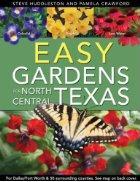
Steve Huddleston is the senior horticulturist at the Fort Worth Botanic Gardens. This book is targeted directly at gardeners in Dallas, Tarrant, Collin, Ellis, Denton, and Rockwall. I recommend it with a big asterisk. The plant information, for the most part is very good, although a great deal of it seems to come from other books by Pamela Crawford. The companion plant information is quite helpful for beginners.
On the other hand, the bed preparation, fertilization and pest control information in the book is old school and not strongly organic at all, as some of this book’s marketing has proclaimed. To these authors, organics is a second rate way to go and some of the least effective organic products are the main ones they mention. It’s been a long time since we’ve recommended Ivory soap and water, beer in a dish or salt spray. The explanations on compost and organic fertilizers are quite lacking and the pushing of one specific “time-release product” synthetic fertilizer all through the book is concerning. If Steve will agree to be on my radio show after reading this, we’ll debate these issues in more detail.
Please share this newsletter with everyone in your address book and all your friends on Facebook and X to help me spread the word on organics.
Naturally yours,
Howard Garrett