
Dallas Morning News – March 26, 2020
Coronavirus Gardening
Since most of the sports events, restaurants, clubs and stores are closed, let’s take advantage of the situation and create a new garden to grow your own healthy fruits, vegetables, herbs and flowers. New experience for many and more sun and exercise for all. First step is to build healthy beds. See the detailed instructions under GUIDES on DirtDoctor.com.
Here’s the CliffsNotes version to help you get started right away.
Build beds by scraping away existing grass and or weeds from a sunny spot to depth of 1-2″ with a flat shovel or rake. Don’t till before removing the existing growth. Tilling first drives the stems of the grass and weeds down into the ground, and they will regrow. You can spray first with an organic herbicide but digging out is once and done.
 For raised beds, rough-cut cedar boards are a good choice |
Next, add amendments on top of the bare soil and till or fork to a depth of 6″ – 8″: 4-6″ of compost, lava sand at 100 lbs. per 1000 sq. ft., Azomite at 40 lbs. per 1000 sq. ft., alfalfa meal at 20 lbs. per 1000 square feet, dry molasses at 20 lbs. per 1000 sq. ft., whole ground cornmeal at 20 lbs. per 1000 sq. ft..
This is my favorite mix but other amendments that can be used include Magic Sand, granite sand, greensand, and natural diatomaceous earth. Don’t use washed concrete sand, peat moss, expanded shale, pine bark or synthetic fertilizers. They don’t build the life in the soil well and are a waste of time and money. Natural stone walls or rough-cut cedar boards can be used for walls, but I usually save the time and money by simply sloping the edges down at a 45% angle.
 Chives are one of the easiest crops to grow |
Check with your local garden center or online source about what crops are available and can be planted now. Some of the cool season plants will still work but it also time for the warm season crops such as peppers, squash, tomatoes, etc. Irish potatoes and asparagus can still be planted and it#39s just about warm enough to plant some “slips&rquot; of sweet potatoes. It’s a perfect time to plant edible flowering plants such as nasturtium and fruit such as blackberries and pears. Mulch all plantings except newly planted seeds with shredded native tree trimmings. Avoid pine bark and dyed mulches.
Best crops to try by planting seeds include black-eyed peas, bush beans, peppers, okra, squash, jicama, oregano and radishes. Radishes are super easy, fast growers in general and “Edible podded” radishes such as ‘Rat’s Tail’ will produce for weeks, hot weather.
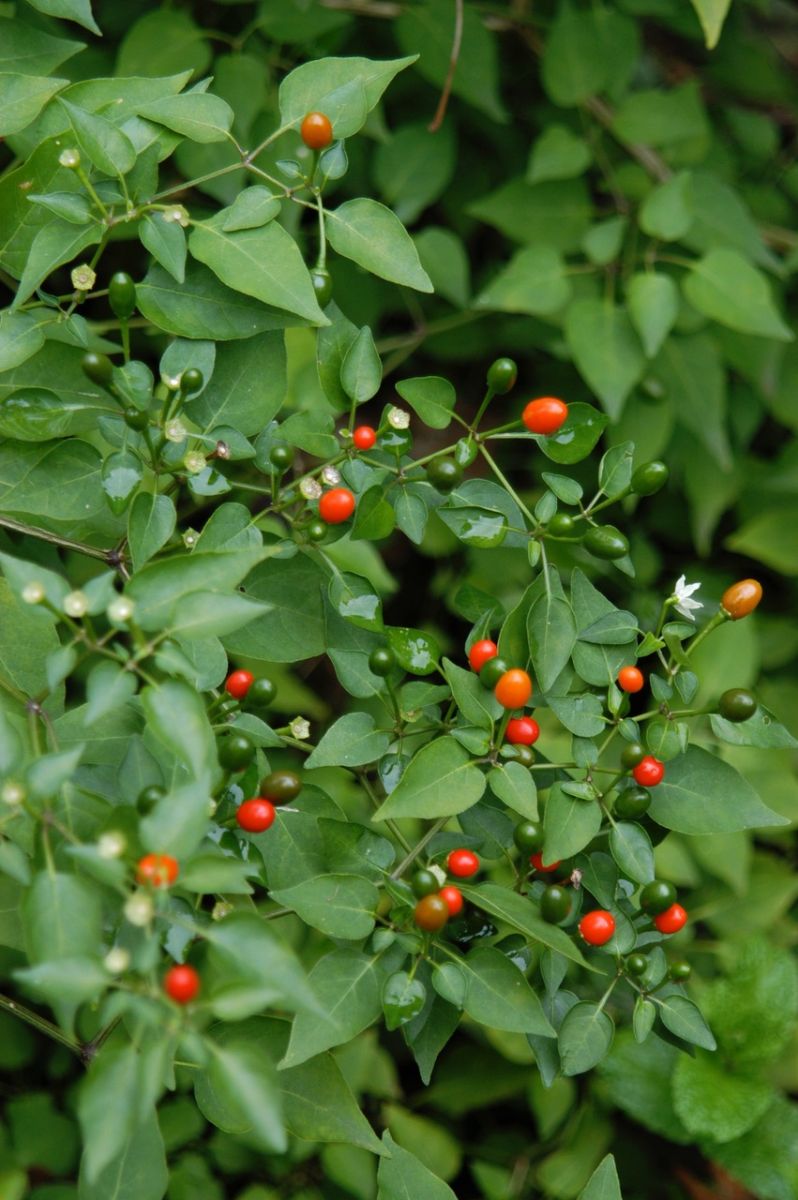 Chili pequin peppers can be grown from seed and will perennialize |
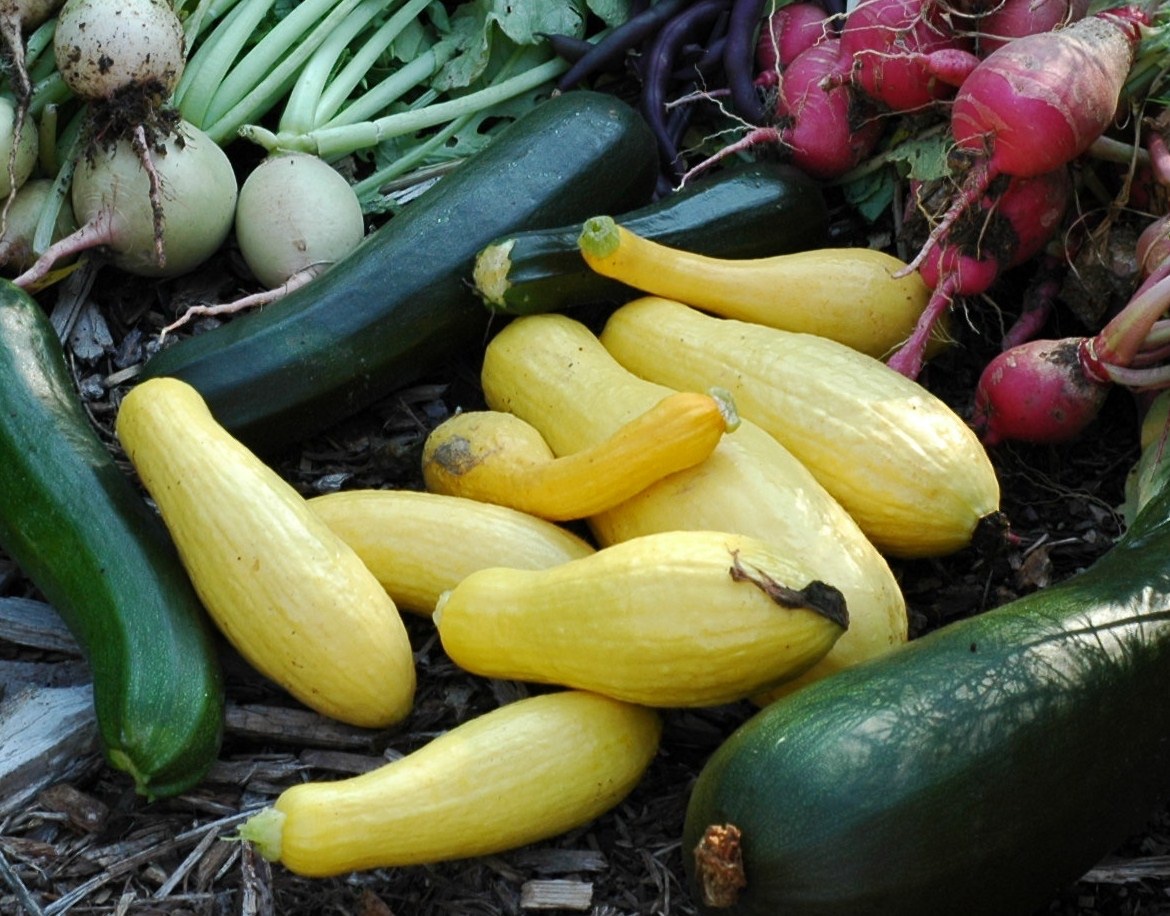 Clean healthy vegetables without toxic chemicals |
Have fun if this is your first garden – if you are a seasoned vet, send us your best tips to pass on to others.