

Fasciation Is Fascinatin!
Dallas Morning News – April 24, 2019
Fasciation is Fascinatin!
First time I saw this condition, it alarmed me. Thought something serious was wrong with my Texas mountain laurel. It appeared that some part of the flowering process was dramatically deformed – and that was the case. My plant had fasciation.
Fasciation (also called cresting) is fairly common if you keep an eye out for it and nothing to get too alarmed about. Basically it is abnormal growth where the growing tips of plants become elongated perpendicularly to the direction of growth, producing contorted and flattened, ribbon-like tissue. Fasciation can also cause plant parts to increase in thickness, weight and volume in some cases. This condition can happen in shoots, stems, roots, fruit and flower heads.
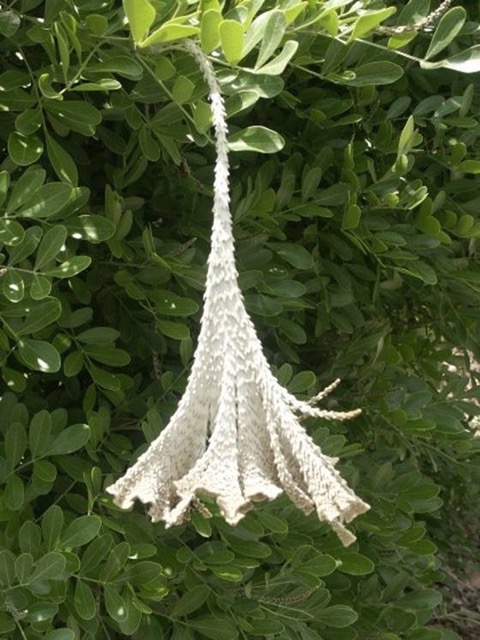
Fascination (also called cresting) on Texas mountain laurel
Some plants such as cockscomb are grown and prized for their development of exotic fasciation. There are several possible causes of this interesting plant growth including hormonal, genetic, bacterial, fungal, viral, insect or mite attacks, exposure to chemicals, physical damage to a plant’s growing tip, weather changes and extremes and other environmental impacts.
Fasciation is primarily caused by hormonal imbalances in the meristematic cells of plants – the cells where tip growth occurs. Fasciation can also be caused by random genetic mutation. Common and exotic bacterial and viral infections can also cause fasciation. If wanted, fasciation can be passed along to more plants through normal propagation techniques.
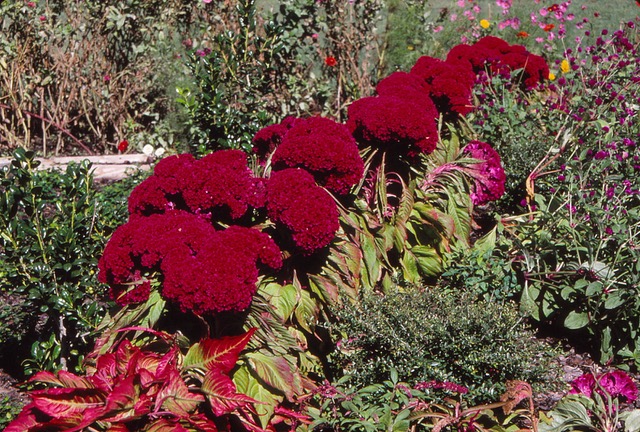
Plants such as cockscomb are grown and prized for their exotic fasciation
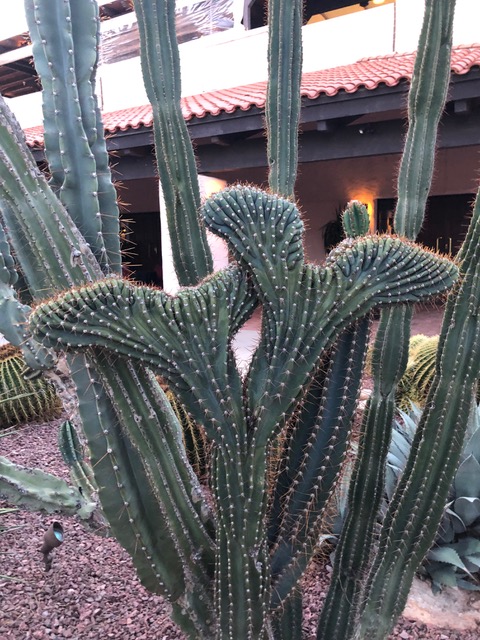
Here’s an interesting cactus fasciation that daughter Logan Smit recently sent me to ask about
Some plants, such as peas and cockscomb (Celosia), can inherit the trait. It is used as a benefit in these cases. It is not contagious but pathogens that cause some fasciations can be spread from infected plants to other plants by insect vectors such as aphids mites and midges. Fasciation is especially common in cacti and succulents, but willows, cockscomb and foxgloves also frequently show this abnormality. Here’s an interesting cactus fasciation that daughter Logan Smit recently sent me to ask about. Fasciation can also hit vegetable crops such as asparagus.
To shut down the suspected pathogens that might be spreading this alien looking growth, spray plants on a prevention basis with hydrogen peroxide mixed 50-50 with water or mixed into your Garrett Juice formula on an occasional basis. Applying the entire Sick Tree Treatment will work even better.
What I do, however, is just enjoy the interesting display that Nature gives us. It’s usually spotty, not a big problem and for most gardeners – fascinating!
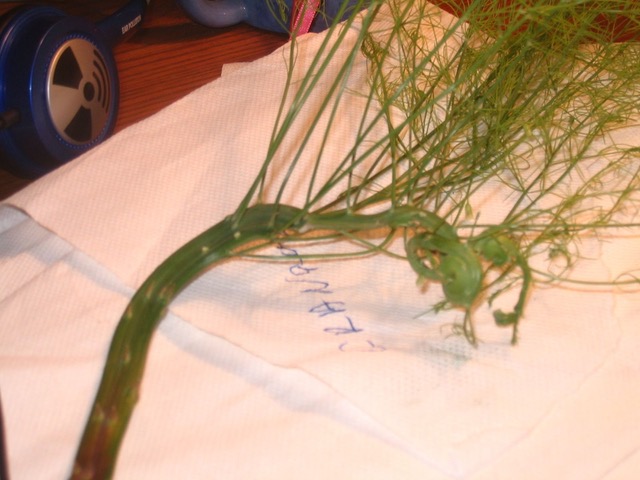
Asparagus; this condition can happen in shoots, stems, roots, fruit and flower heads
For more on plant diseases including fasciation, here is a useful pamphlet from the University of Kentucky Cooperative Extension Service:
https://uknowledge.uky.edu/cgi/viewcontent.cgi?article=1122&context=anr_reports