Dallas Morning News – February 1, 2018
FIRST MAJOR FERTILIZATION OF THE YEAR
Is late winter the time to apply the often-recommended high-nitrogen, synthetic fertilizers? No – but it never is. It is time, however, for the first major organic fertilizer application of the year. Artificial fertilizers have N-P- K ratios such as 3:1:2 or 4:1:2. For example, an 18-6-12 fertilizer contains 18 percent nitrogen. That’s way too much nitrogen even though most of it won’t stay in place like the organic fertilizers do.
Some folks will tell you to wait until April to make the first fertilizer application of the year. That’s actually good advice if you are still using the destructive salt products, because that’s the only time they have a chance to feed plants. Applied now when the plants aren’t actively growing, the synthetic stuff will completely volatize, wash away and leach away. Most of it escapes into the environment even when applied in April. And the 10% or so of the artificial fertilizer that gets taken up by plants is not very good for the plants even though it makes them grow. The high- salt, fake stuff basically gluts plants and causes unhealthy growth that attracts insect pests and diseases.
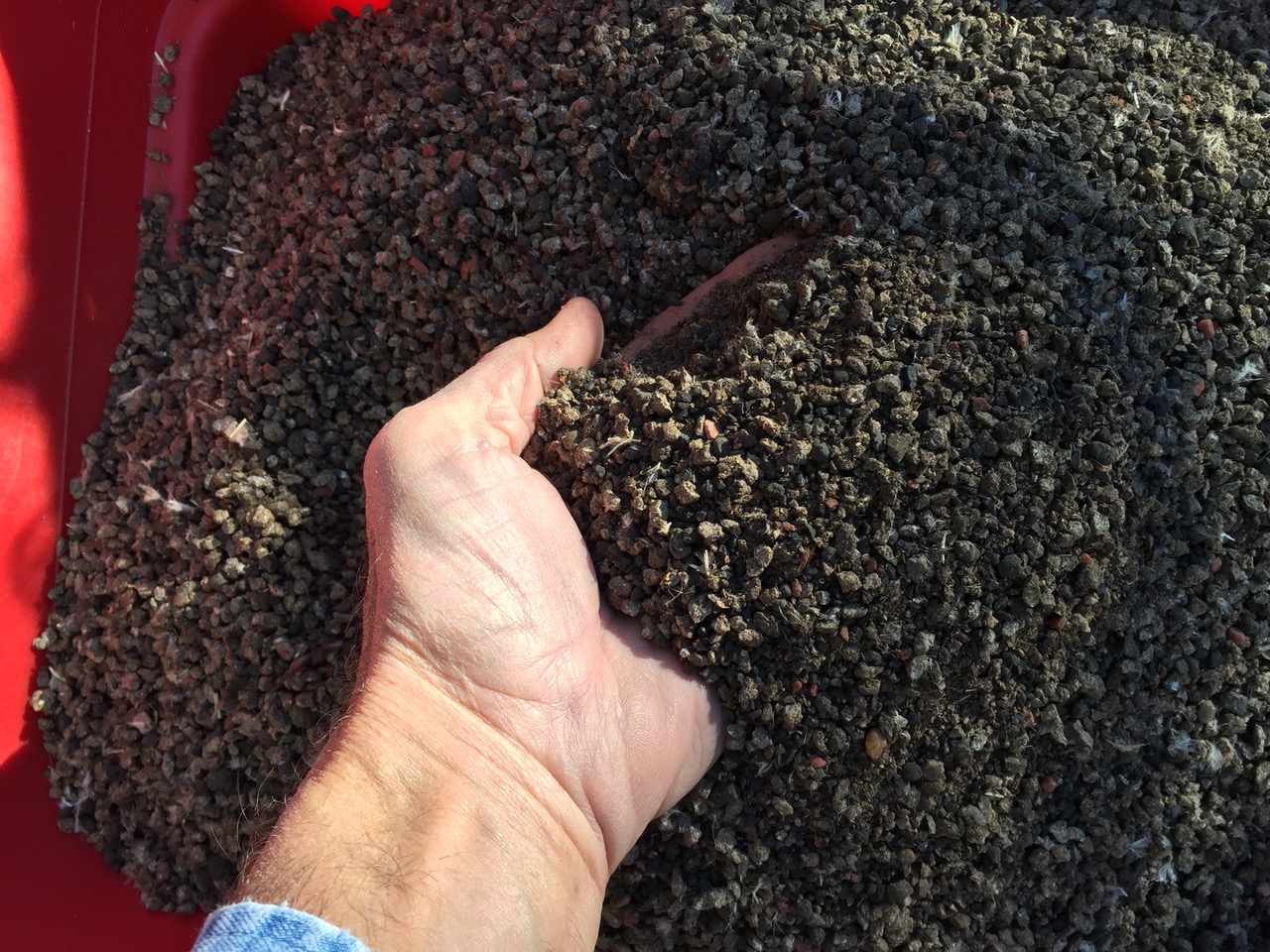
Organic fertilizers stay in place and behave themselves. They should be used now (late winter) at 20 lbs. per 1,000 square feet. These naturally slow-release products will feed the soil, the microbes in the soil and benefit the roots of trees, shrubs and even grasses before the plants start to grow. January and February are the ideal months to fertilize here in the South.
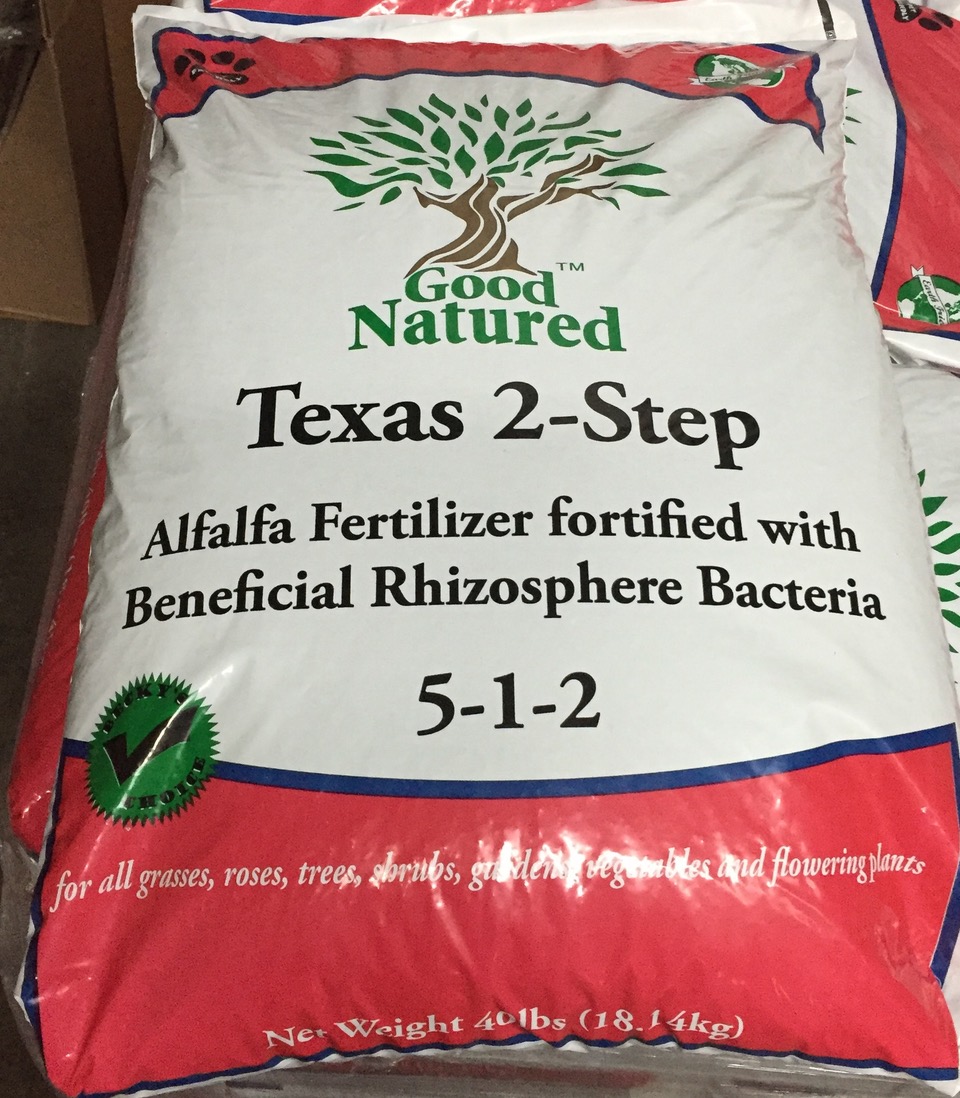
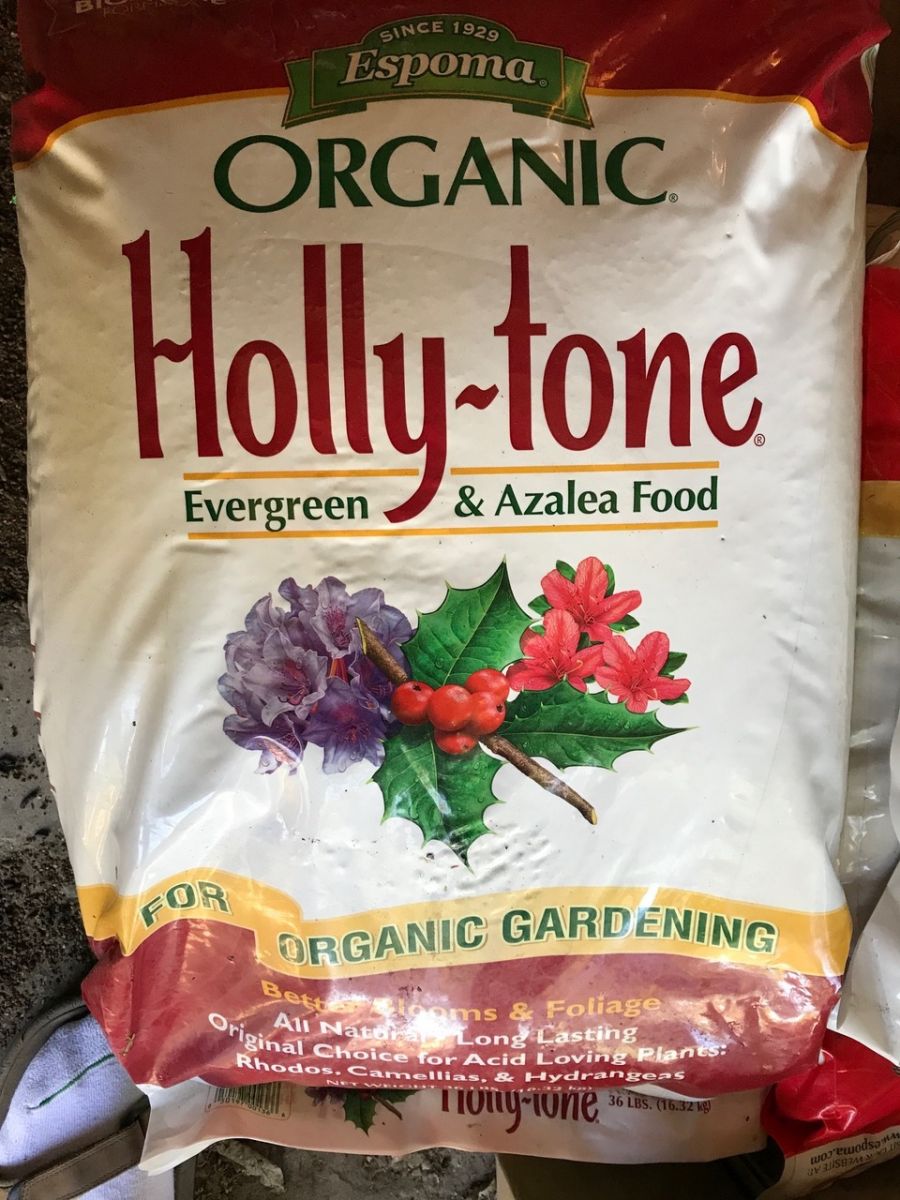
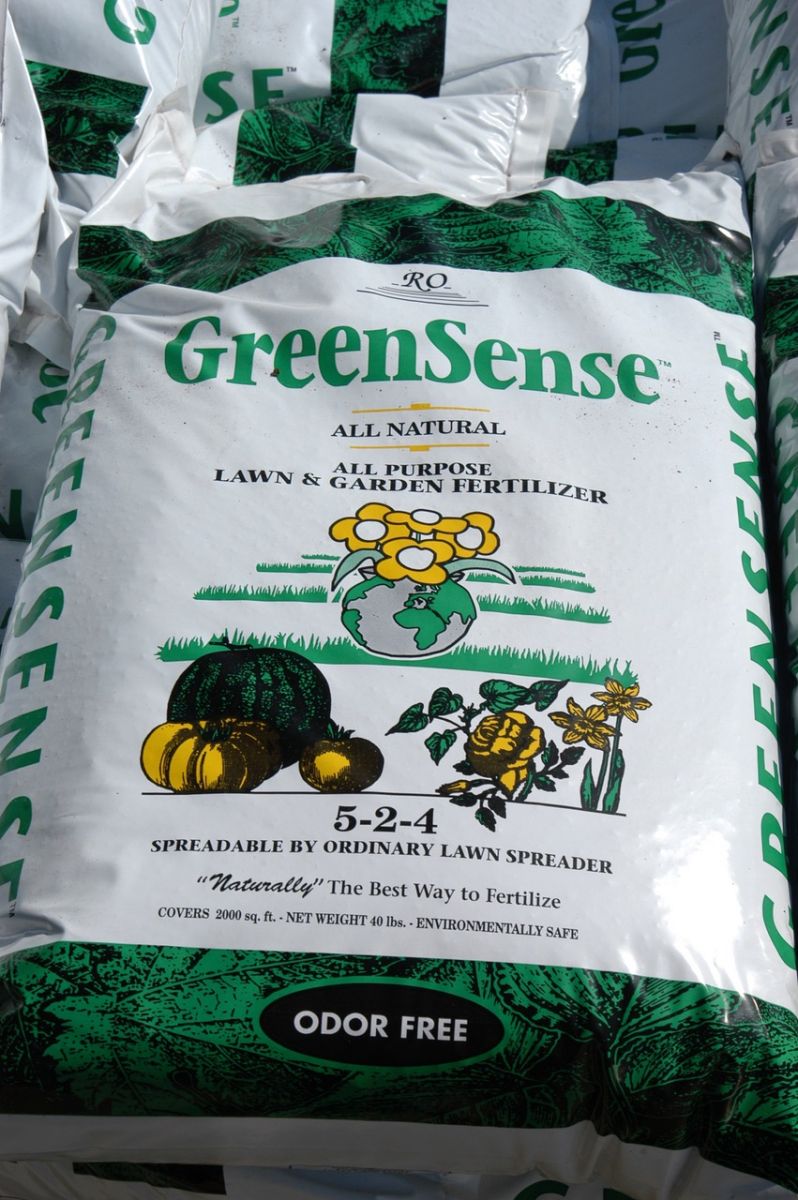
Excellent organic fertilizers that are blends of natural materials include MaestroGro, Medina, GreenSense, Espoma and Good Natured. All these products should be used at the 15-20 lbs. per 1000 sq. ft. on all landscaping and food crops. These products are all available here in North Texas. They are clean, easy to apply and not stinky.
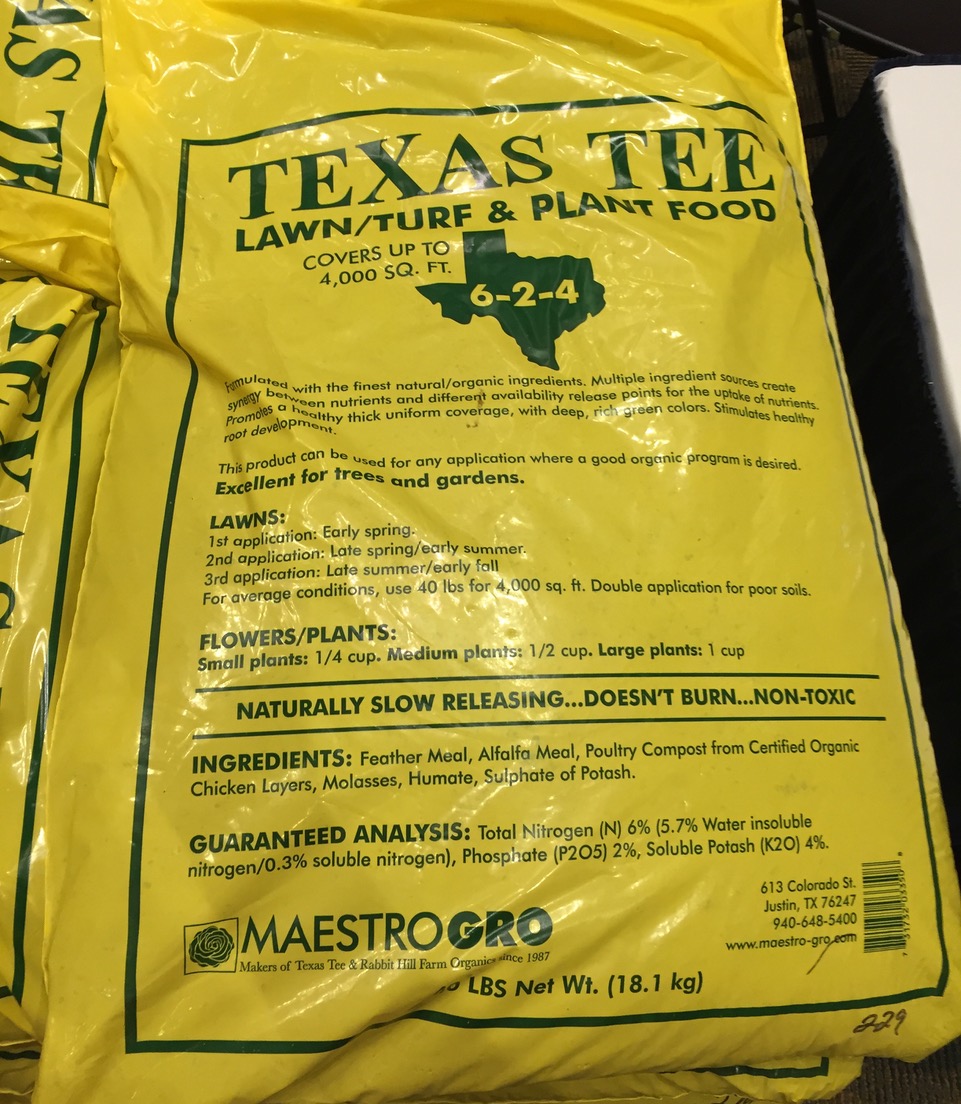
Dry molasses is also a good organic fertilizer choice. It can be used to quickly stimulate microbes in the soil and provide fertility. It can be applied by itself or used along with the other organic fertilizers at rates from 10-20 lbs. per 1000 sq. ft. or on large properties at rates as low as 200 – 400 lbs. per acre. Dry molasses will also, in most cases, run all the fire ants off the property.
Cool-season flowers such as pansies, dianthus and snapdragons can be fertilized with earthworm castings, fishmeal, cottonseed meal, alfalfa, bat guano and Garrett Juice to supplement the basic organic fertilizer program. Interior plants can be fed with any of the above along with with coffee grounds, earthworm castings and other gentle organic products.
It’s time to fertilize – so let’s get started.