

Dallas Morning News – January 6, 2022
January Gardening
Since the weather here in north Texas has been so mild, much of what we talked about for December is still valid. Here are some of the high points again and some explanation about the cost of the organic program.
Plant: Cold-hardy transplants – calendulas, dianthus, flowering kale, pansies, snapdragons, etc. Spring flowers and vegetable seeds indoors. Seeds in greenhouse conditions for later transplanting. Fruit and pecan trees, asparagus, berries, English peas, grapes, onions, potatoes, and ranunculus. Shrubs, vines, trees, and other permanent plants.
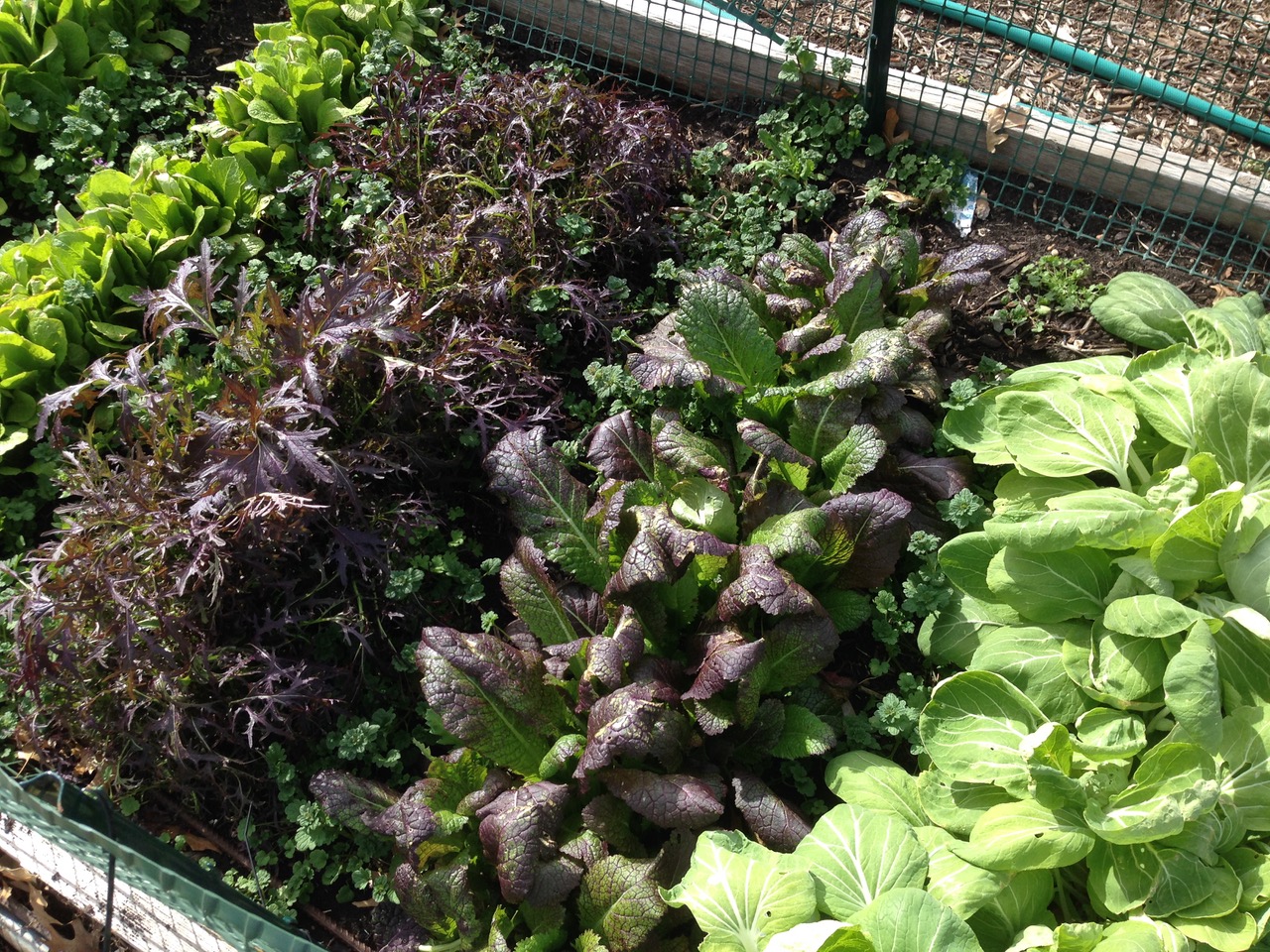 Cool season food crops can still be planted and those growing will continue to produce, but keep the floating row on hand for covering the plants if the temperatures threaten to dramatically drop |
Fertilize: Asparagus beds with organic fertilizer and compost. Cool season grasses at one-half rate, about ten pounds per thousand square feet.
Prune: Vines and groundcovers from the bases of trees. Dead, damaged, and out of place limbs, water sprouts and ground shoots from trees. Do not prune the tops off crape myrtles. Evergreen shrubs lightly for shape, asparagus and other perennials to the ground.
Water: Dry areas to avoid plant desiccation. Potted plants. Entire properties during drought periods.
Pest Control: Spray dormant turf with vinegar-based or essential oil-based herbicides for cool season weeds. Avoid horticultural oil sprays. They kills good bugs as well as pests – so use only in rare cases. Spray indoor insects on plants with essential oil products or Lemon Joy soap at one tablespoon per gallon of water. Apply whole ground cornmeal to the soil for disease issues. Don’t over-water your plants.
Odd Jobs: Cover tender plants with floating row cover before extreme cold and expected rapid temperature changes. Turn compost pile monthly or more often and keep moist. Begin or continue hard construction activities such as paving and wall construction. Prepare garden soil by adding compost, lava sand and mulching bare soil. Take power equipment in for repairs before spring.
On the cost of going organic: Many make the mistake of only considering the cost of synthetic vs. organic products or the cost of organic vs. chemically grown apples at the grocery store. There is much more to the story.
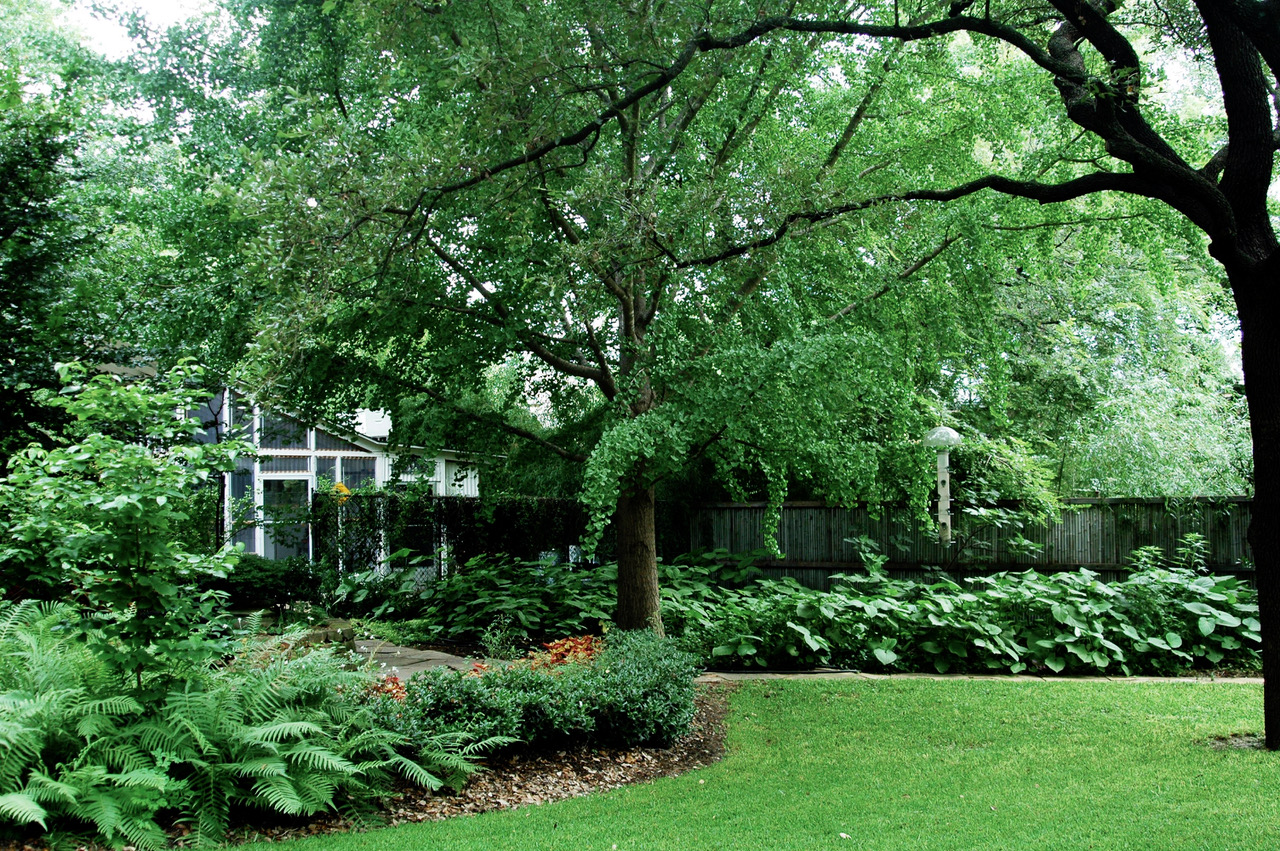 Milder weather this winter so far has prolonged some of the beauty of gardens, but has also extended some of the grounds work needed for maintenance |
Produce prices at the grocery store will only change after the government stops giving preferential subsidies to factory farms. However in the meantime, the true “cost” of “organic” is actually lower, if all the costs are considered. Organic gardening and farming create a significant saving in irrigation due to healthy soil, less pest control costs because heathy plants have fewer pest problems to manage, create not only better tasting but more nutritious and healthy food and provide dramatically less water and air pollution because of the carbon held in biologically rich and mulched soils.
Organic plant growing is more fun, easier once you get the hang of it and your children, your parents, yours pets and the wildlife don’t have to be contaminated by toxic chemical pesticides and salt fertilizers with gluts of harsh nutrients and often nasty fillers.
I can’t think of a better New Year’s resolution: Go organic and have a great 2022!