
Dallas Morning News – September 30, 2021
October Gardening Schedule
Fall is actually the best time of the year for many gardening chores, including starting new vegetable and herb gardens as well as landscape projects. Here are some guidelines.
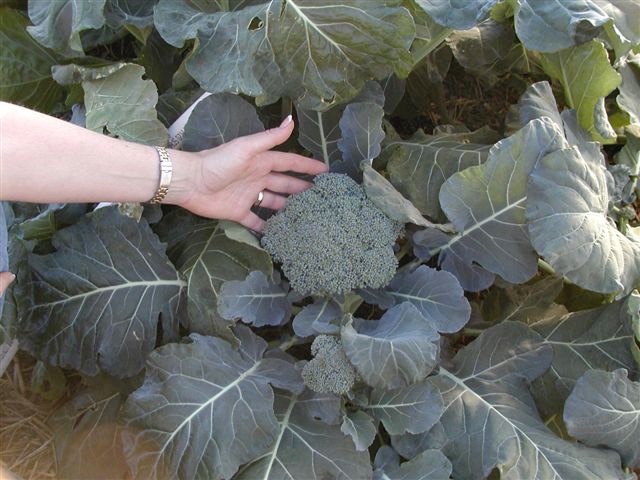 Broccoli is easy to grow if planted in October |
Plant:
Cool-season leaf and root crops such as beets, Brussels sprouts, cabbage, carrots, collards, garlic, lettuce, spinach, strawberries, sugar snap peas and turnips. Annuals and perennials such as dianthus, English daisies, flowering cabbage, garlic, Iceland poppies, kale, nasturtium, pansies, pinks, petunias, snapdragons, violas and wallflowers. Herbs such as coriander, dill, parsley, chives, garlic chives, cilantro, nasturtiums, thyme, chervil and comfrey. Trees, shrubs and vines.
Solid sod of any kind. Be sure to wet the soil of the sod before planting and apply a thin layer of compost to the surface after planting. Wildflower seeds if you haven’t planted them already. Cool-season grasses such as rye and fescue. Broadleaf plants such as clover, vetch, Austrian winter peas and other cool season crops.
 October is the best time of the year to plant petunias and other cool season annuals and perennials |
 October is the best time to plant garlic in the vegetable, herb garden or landscape |
Transplants of spring-flowering bulbs, iris, daylilies, daisies, peonies, etc., if necessary.
Fertilize:
All planting areas with organic fertilizer at 15 to 20 pounds per 1000 square feet. Foliar-feed all planting areas and lawns with compost tea or Garrett Juice. Make sure to include seaweed and apple cider vinegar in whatever mix you use. Drench potted plants with the same mixture. Liquid fish should be added for more punch. Feed trees by treating the soil surface or top few inches. Avoid “deep root” feeding. “Root zone” surface feeding is better. Treat stressed and sick trees with the Sick Tree Treatment.
 October is the best time to plant Swiss chard, cabbage, kale and other cool season crops |
Prune:
Tree limbs that are dead, broken, diseased, in the way or dangerous and might fall. No flush cuts and no over-pruning. Remove spent blooms of summer flowering perennials. Do not prune knees from bald cypress trees – they are part of the root system. Instead change the root zone areas from grass to ground cover or mulch.
Pest Control:
Spray insect pests with spinosad products with 1 ounce of liquid molasses added per gallon of spray. For diseases use a 1% solution of hydrogen peroxide or cornmeal tea (1-2 cups of cornmeal soaked in water for 2 hours). Spray weeds and grasses around tree trunks with 10 – 20% vinegar. Eliminate fire ants by applying dry molasses to the entire site at 20 pounds per 1000 square feet.
Water:
All plants less often but deeply during dry spells.
Odd Jobs:
Mulch all bare soil with shredded tree trimmings. Mow weekly and leave the clippings on the lawn. Build new compost piles, turn old ones and water dry ones. Build new beds with quality compost, rock minerals such as lava sand and Azomite and sugars such as dry molasses and whole ground cornmeal. Use compost or shredded tree trimmings for top-dressing mulch for ornamentals and vegetables. See
on the Home Page of dirtdoctor.com for complete bed preparation and planting details and formulas for organic mixes.