Dallas Morning News – April 5, 2018
PERSIAN IRONWOOD – A PLEASANT ACCIDENTAL FIND
Some of the most important things I have learned have come from reader/listener tips, trying things others have said won’t work and stumbling onto to some fact that started as a mistake.

One of the best tips I’ve received was that cornmeal will cure human skin and nail problems. My plant disease cures with cornmeal led followers to try soaking their feet in a cornmeal slurry. Result? Complete cure of their toenail fungus.
During the first few years of my landscape architecture career, I was told by one of the longtime local nurserymen that Japanese maples would definitely not grow here in North Texas – that they couldn’t take our soil and they would only grow in cooler parts of the country. I tried them anyway and of course found that they grew beautifully here and are now staples in nurseries and on landscape projects.
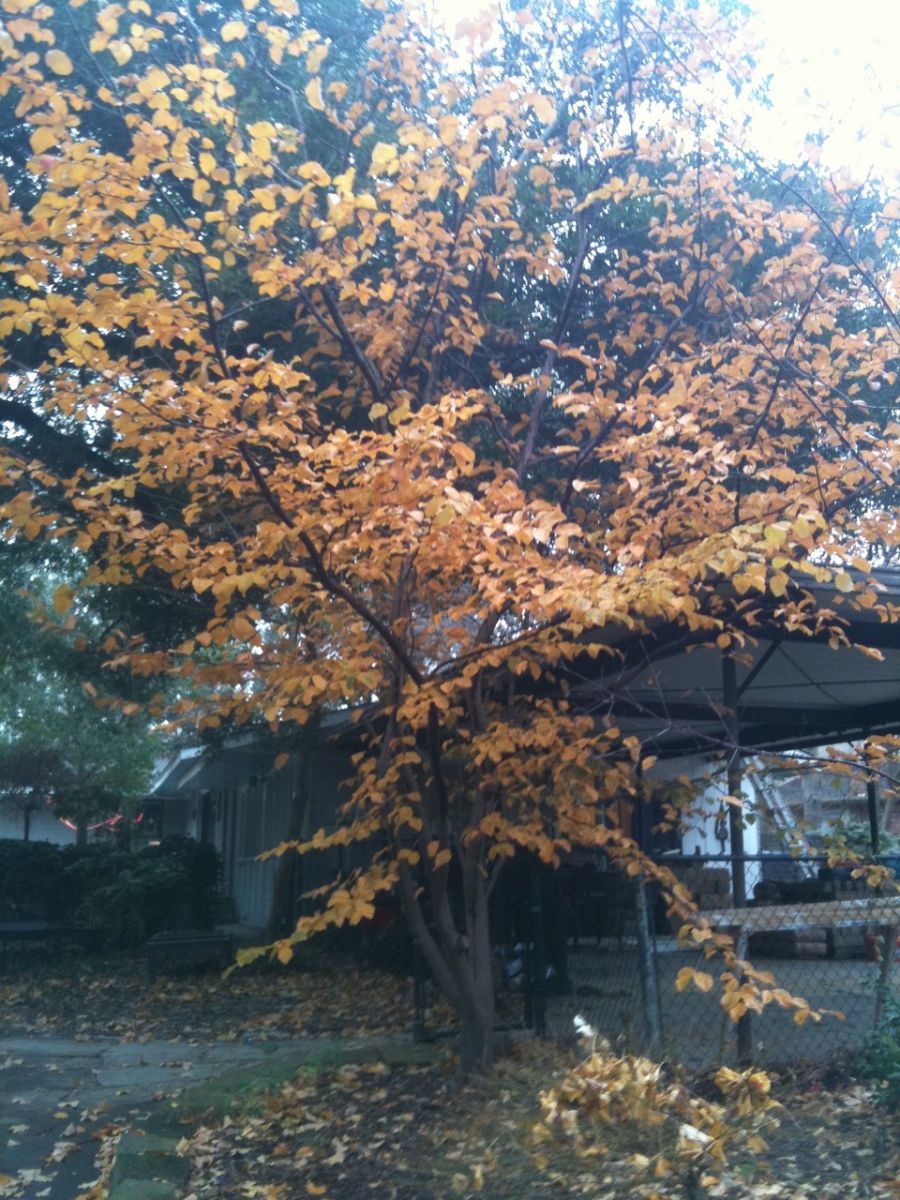
On the accidental learning angle, there are several stories but one of the most important resulted from buying a small tree labeled as witch hazel. The local nursery seemed confident the tree would do well here. It did very well and I added this “witch hazel” to a couple of my books covering recommended plants for Texas. Only one problem – turns out the plant is not witch hazel. It’s actually Persian ironwood and is much better adapted here than witch hazel. Witch hazel limps along compared to this accidental discovery.

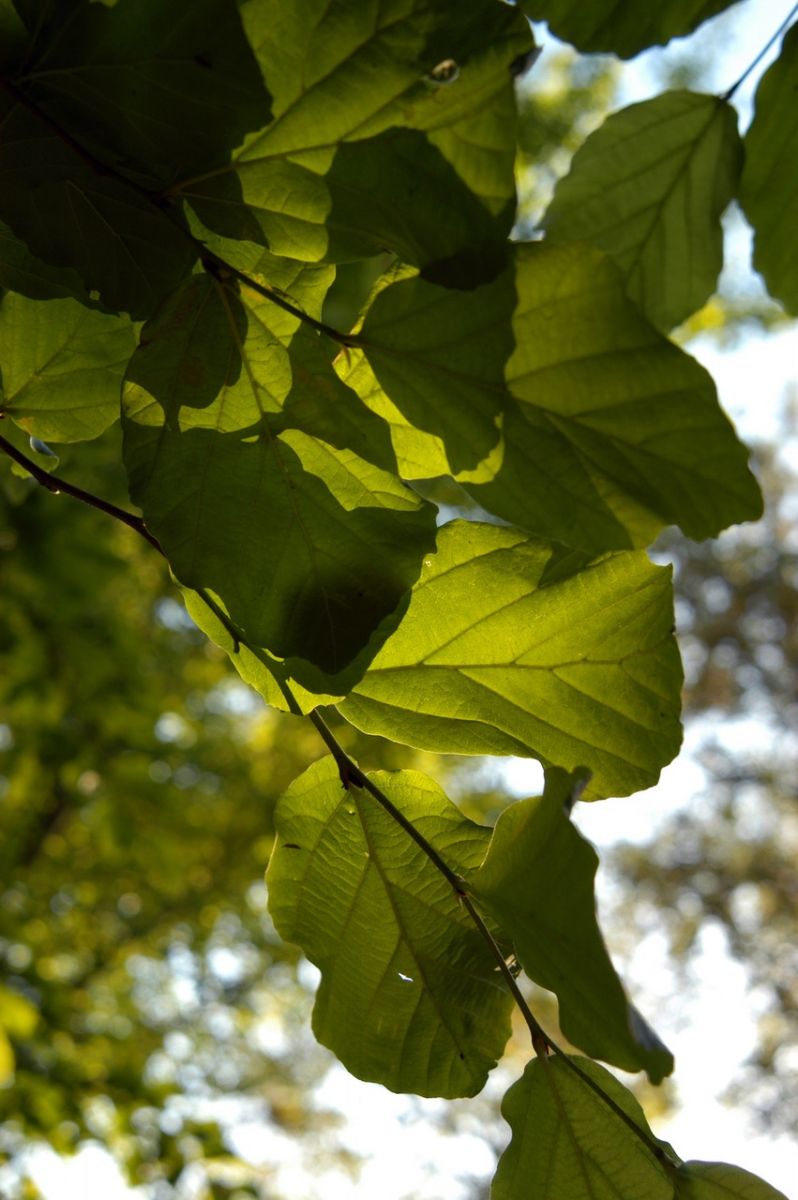
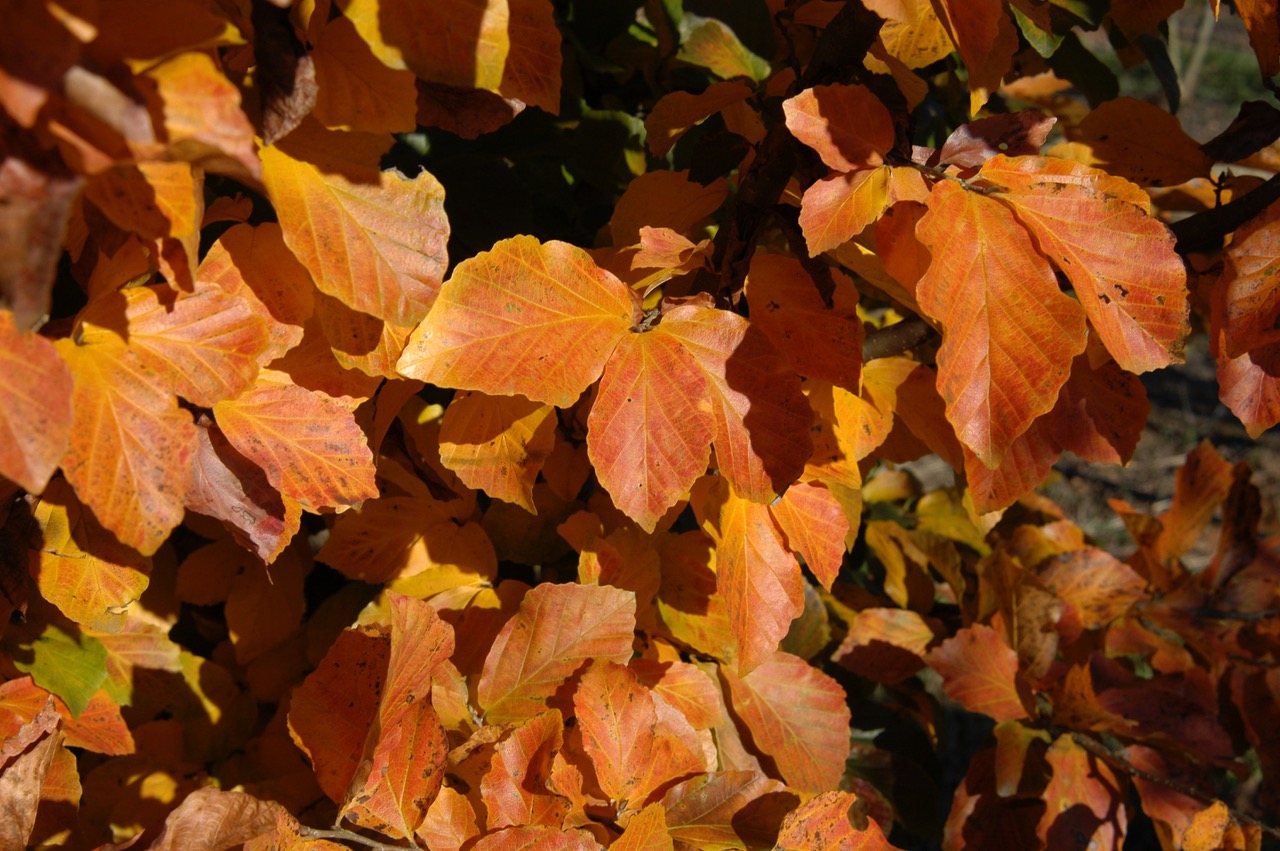
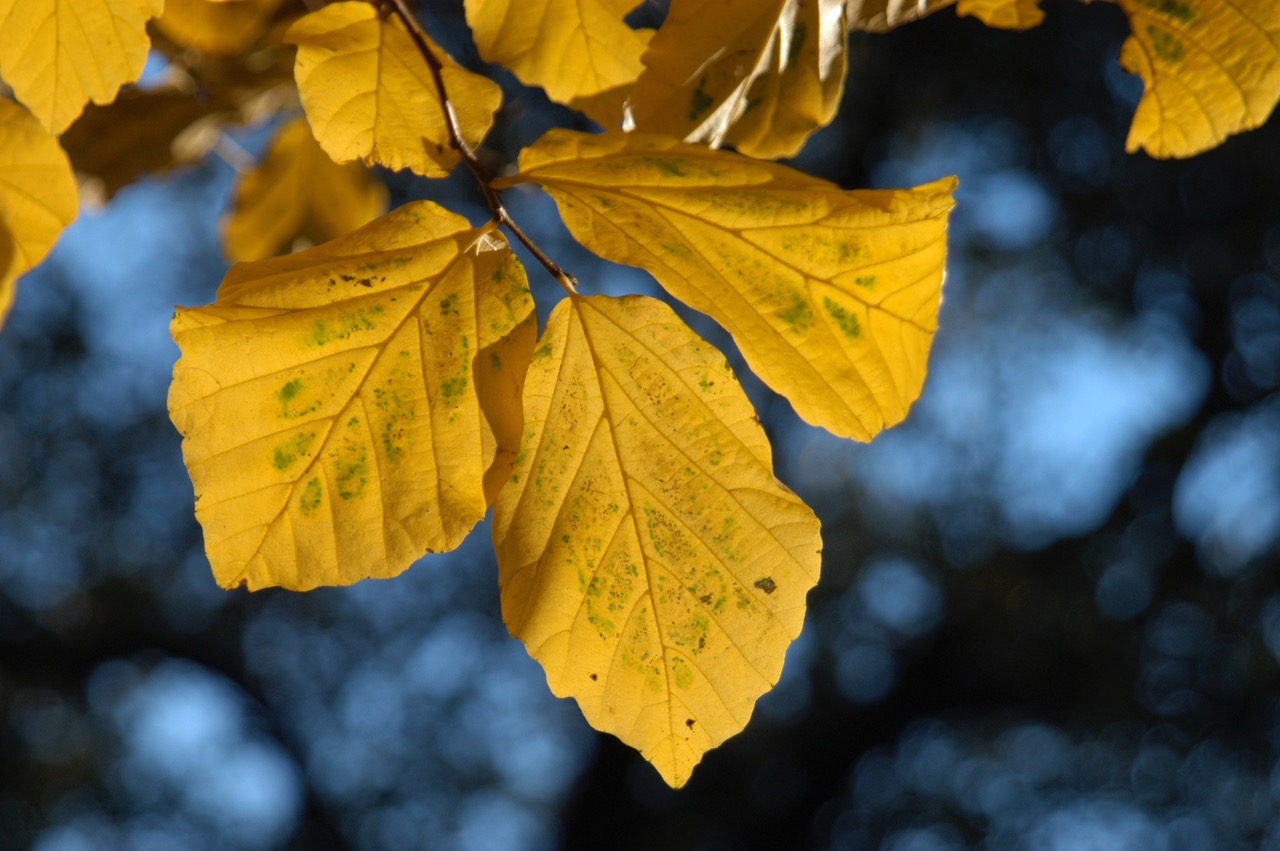
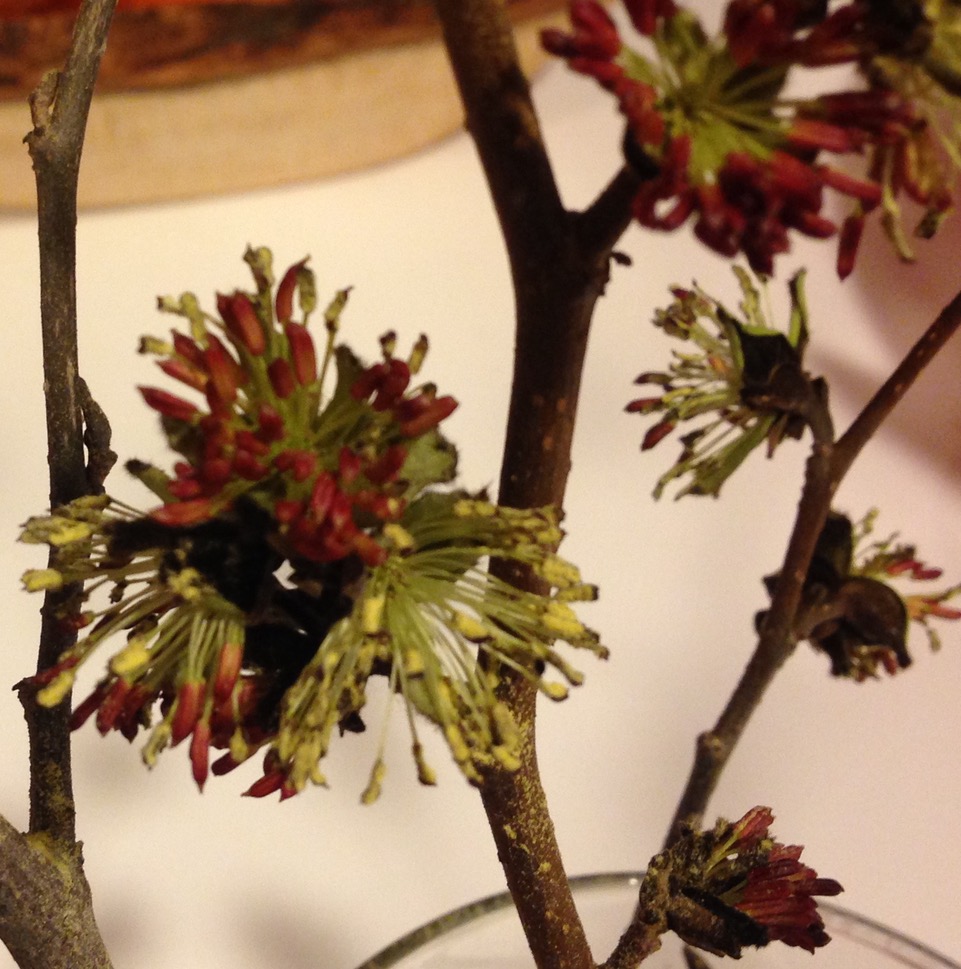
Native to Iran, Persian ironwood (Parrotia persica) is a beautiful, small growing tree that will flourish from Texas to Boston and all parts in between. It’s a great little tree with exfoliating or flaking bark and luxuriant summer leaves similar to beech and witch hazel. In winter the smooth bark peels and can show a mosaic of silver, green and cream-colored new bark beneath. Small, petal-less flowers emerge in late winter on upper bare branches. They show in bunches of blood red stamens inside two woolly brown bracts and are great for use in indoor arrangements. After flowering, new leaves emerge, coppery at first, then dark green, satiny and lopsided with wavy edges. Then the tree sports fall color that ranges from golden yellow to crimson, rose pink, maroon, and purple – all that can sometimes be seen at once on the same tree.

Persian ironwood grows relatively slowly into a multi-stemmed, low-branched, round-headed tree, but it can be trained into a standard, single-trunk specimen. In cultivation, this tree can reach 40’ in height forming a short, thick trunk supporting both erect and drooping branches.
Great tree! It should be grown more often, especially in residential gardens.