

Dallas Morning News – August 26, 2021
September Garden Management
Since there is so much to do in September, let’s jump the gun a couple of days.
Plant wildflower seeds if you missed the best time in the summer. Plant Bermudagrass by seed no later than early September. Solid sod of all grasses can be planted any time. Cool season grasses such as ryegrass and fescue can be planted in the later part of the month. It’s also a good time to plant trees of all kinds.
Transplant established spring-flowering perennials. Plant fall blooming perennials such as asters and mums. Plant cool-season vegetables, including broccoli, cauliflower, Brussels sprouts, cabbage, beets, turnips, spinach, lettuce, carrots, beets, radishes and English peas.
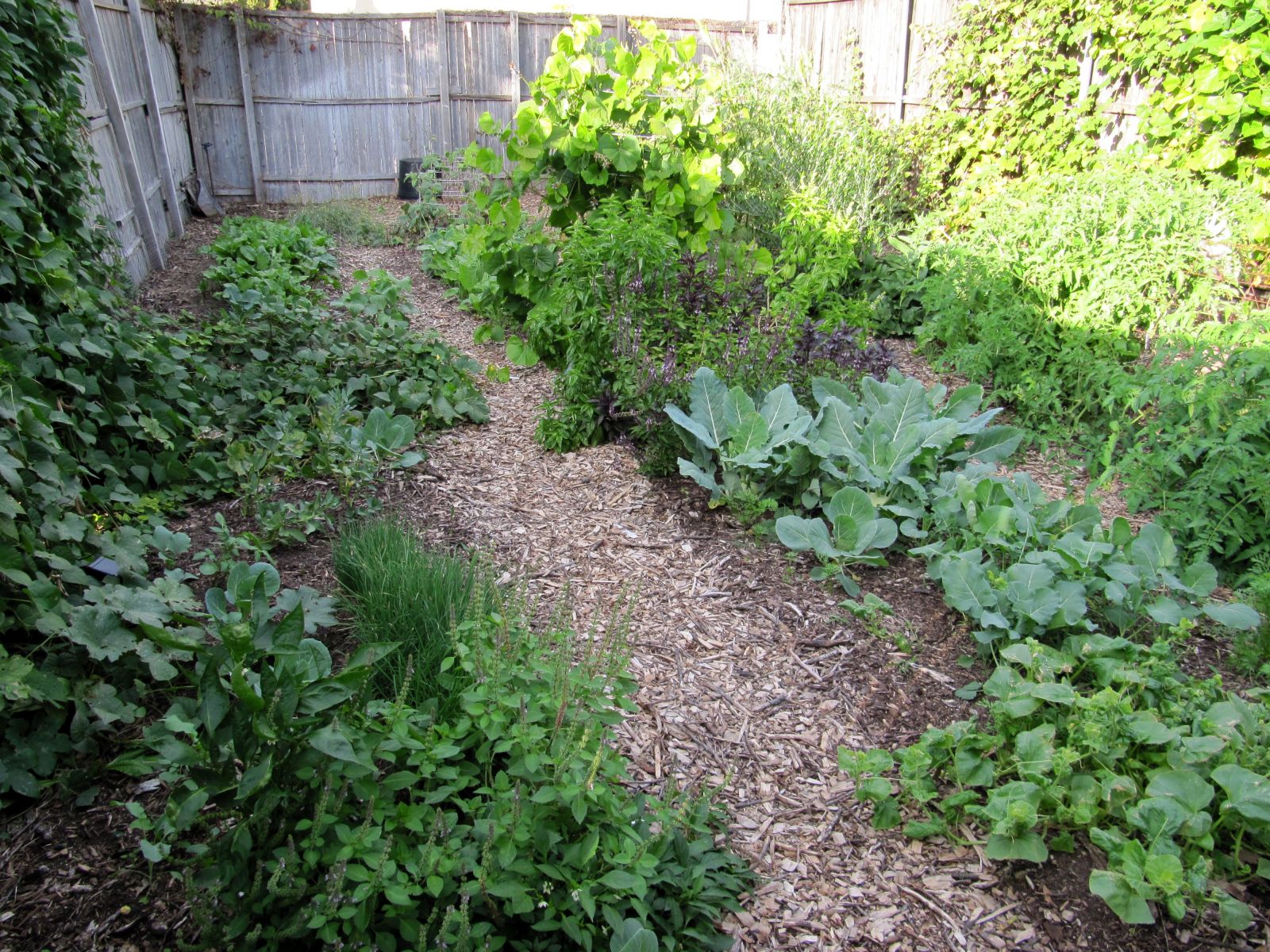
Good bed prep is essential for succsessful food crops
Fertilize all plantings with organic fertilizer, such as Medina or Nature’s Creation at 20 lbs. per 1000 square feet. Corn gluten meal is also an excellent fertilizer and helps control winter weeds such as dandelions, henbit, rescuegrass and Poa annua. Foliar feed everything with Garrett Juice or compost tea. Also drench the soil around new and problems plants.
Avoid all synthetic fertilizers but especially “weed and feed” types and “nitrogen only” types. The only complete and balanced fertilizers are organic. Synthetic salt products contains no carbon and poor complements of trace minerals.
Prune shade and ornamental trees if needed. Make no flush cuts and use no pruning paint. Remove spent blooms from annuals and perennials. Remove surface tree roots if you must but no more than one or two per year. Better to leave the roots and add shredded tree trimmings mulch or convert from grass to groundcovers.
Water deeply, but only as needed during dry spells. Go as long between waterings as possible. Potted plants and hanging baskets need more. Add Garrett Juice as a root stimulator for better performance.
Apply whole ground cornmeal at 20 pounds per 1000 square feet for fungal diseases in turf.
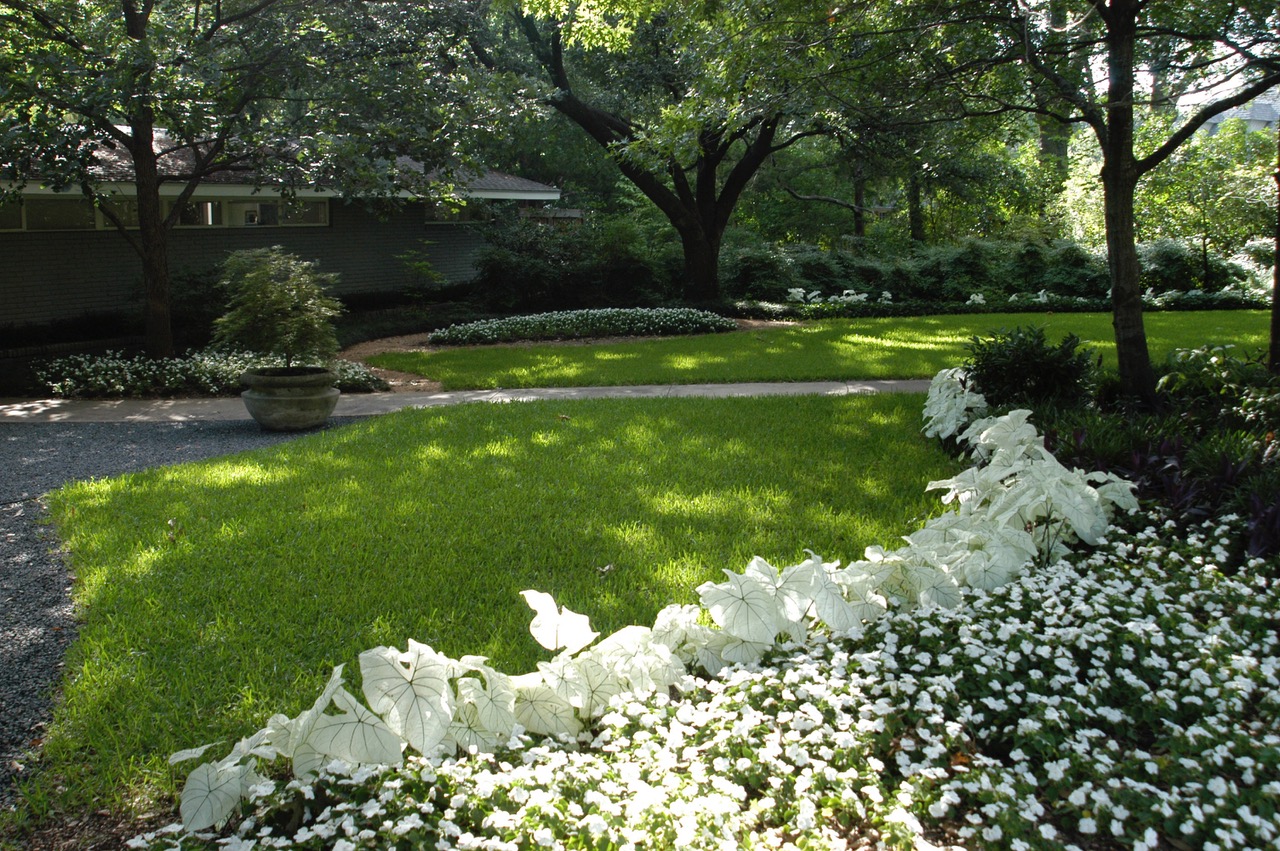
Get excellent results using the Basic Organic Gardening Program
For webworms, tent caterpillars, armyworms and cabbage loopers, spray Bacillus thuringiensis (Bt) or spinosad products. Add 1 oz. of molasses per gallon of spray for more effectiveness. Make a note to release trichogramma wasps next spring.
Apply beneficial nematodes for grubworms if necessary, but realize that only 10 percent of the grubs you see are harmful to plants. Dry molasses will also help and control fire ants. Spray aphids with garlic or garlic pepper tea. Spinosad can also be used. Add one oz. of molasses per gallon of spray.
Treat black spot and powdery mildew with hydrogen peroxide and see the Organic Rose Program on dirtdoctor.com. For trees in stress with yellow leaves, mistletoe, sapsucker damage, dead tip growth and other symptoms, apply the entire Sick Tree Treatment.
Avoid the toxic chemical pre-emergents. Organic weed control results from healthy soil, thick healthy plants, fertilizing with corn gluten meal and spot spraying natural organic weed controls such as strong vinegar.
Mow weekly and leave clippings on the lawn.