
Avocado Newsletter


Scrambled Eggs with Fermented Salsa, Chorizo Sausage
with Onions, Avocado, Raw Cheese and Walnuts
One of my favorite foods is the avocado. Taste is one thing, but there is a lot more to know.
Health Benefits
Avocados have significant health benefits but still get a bad rap for their fat content. While avocados do contain fat, almost all of it is the kind that is good for you and even helps you lose weight! Avocados are full of monounsaturated fatty acids, or MUFAs, the healthy fats that are also found in nut butters and olives. A study from the American Diabetic Association found that MUFAs actually decrease belly fat. The MUFAs in avocados may also help improve insulin sensitivity, which is important for good blood sugar control and diabetes control. Avocados are also high in fiber, have more potassium than bananas and are loaded with folates and vitamin E. Of all fruits, the avocado is the highest in protein. The natural oils are also good for your skin.
Avocados contain an array of phytonutrients and are a source of pantothenic acid, dietary fiber, vitamin K, copper, folate, vitamin B6, potassium, vitamin E, and vitamin C.
How to Select and Store
A ripe, ready-to-eat avocado is slightly soft but should have no dark sunken spots or cracks. If the avocado has a slight neck, rather than being rounded on top, it was probably tree ripened and might have better flavor. A firmer, less mature fruit can be ripened at home and will be less likely to have bruises. A firm avocado will ripen in a paper bag or in a fruit basket at room temperature within a few days. As the fruit ripens, the skin will turn darker. Avocados should not be refrigerated until they are ripe. Once ripe, they can be kept refrigerated for up to a week. If you are refrigerating a whole avocado, it is best to keep it whole and not slice it in order to avoid browning that occurs when the flesh is exposed to air.
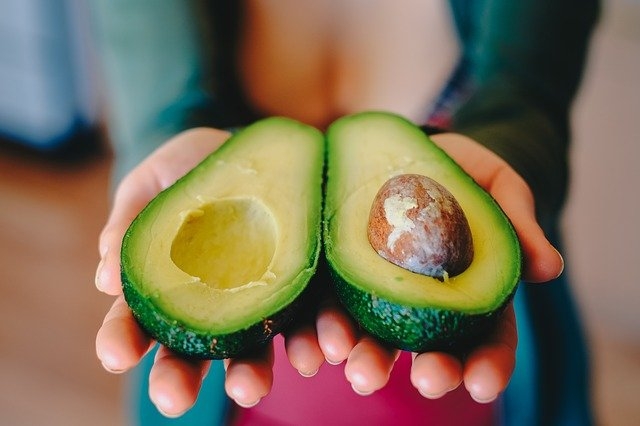
If you have used a portion of a ripe avocado, it is best to store the remainder in the refrigerator. I wrap the pieces first in parchment paper and then put in a plastic bag. Sprinkling the exposed surface(s) with lemon juice will help to prevent the browning that can occur when the flesh comes in contact with oxygen in the air.
I eat avocados for breakfast, lunch and dinner – not every meal, but often. I recommend you do too. One of my favorite dishes is guacamole made from a 50/50 mix of avocado and fermented salsa. Any salsa works pretty well.
Naturally yours,

Howard Garrett