
Organic Answers Column – December 14, 2022 – Book Recommendations
Books Recommended by Howard Garrett
I thought it was time for an update of my favorite educational books. This column includes links to stores selling the books, to the authors or publishers, or in some instances, free e-Book versions of public domain editions.
Seeing Trees by Nancy Ross Hugo is beautiful and helpful book. It is for serious tree lovers like me.
An Agriculture Testament (html version) and Soil and Health by Sir Albert Howard are state-of-the-art guides to organics and the use of compost to bring soil back to health. They were written in the 1940s, but are still two of the best organic education publications on the market. Oxford and Rodale Press. (html version: http://journeytoforever.org/farm_library/howardAT/ATtoc.html)
Bread from Stones by Julius Hensel is a classic explaining the role of earth minerals in the production of wholesome food crops. Acres U.S.A. (Public domain e-book)
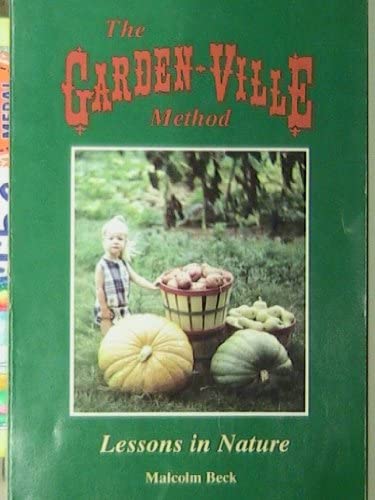
The Garden-Ville Method (Lessons in Nature) is written by the king of compost, Malcolm Beck, one of the most knowledgeable people on organics in the country. Acres USA.
Holistic Resource Management by Allan Savory is for anyone involved in the management of land. This book teaches you how to think and treat people and their environment as a whole. Island Press, Washington, DC.
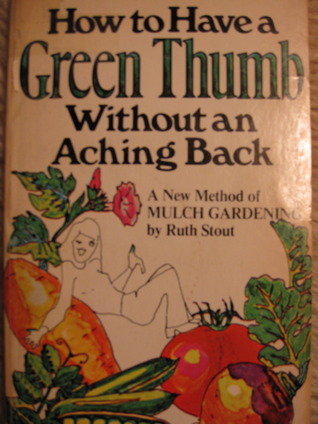
How to Have a Green Thumb Without an Aching Back, Ruth Stout, Exposition Press (Open Library e-Book )
Gardening Without Work, Ruth Stout, Devin-Adair publisher
The No Work Gardening Book, Rodale Press, by Ruth Stout is great. She was a humorous writer, a philosopher and an advocate of mulching.
Shinners and Mahler’s Illustrated Flora of North Central Texas and any of their other books wonderfully detailed book about the native and naturalized plants of North Central Texas. By George Diggs, Barney Lipscomb and Robert O’Kennon.(online via Fort Worth Botanical Garden/BRIT)
Nature’s Silent Music by Dr. Philip Callahan explains how to preserve the health of the land by avoiding toxic chemicals and working within nature’s laws and systems. Acres USA.
The Omega Diet and Why Grass Fed is Best! by Jo Robinson. Covers the research and data behind eating grass fed meats! A wonderful book about the health benefits of eating grass fed animals and eggs. It is easy to read and well documented. Vashon Island Press.
The One-Straw Revolution by Masanobu Fukuoka is an introduction to natural farming and an excellent book on the philosophy and practicality of organic gardening from one of Japan’s living legends. (e-Book Internet Archive)
Seaweed and Plant Growth by Dr. T.L. Senn explains in detail the wonderful powers of seaweed as a fertilizer, growth stimulator, and pest repellent.
The Secret Life of Compost by Malcolm Beck is a “how to” and “why” guide to composting. Acres U.S.A.
Science in Agriculture and Food Plague by Dr. Arden Andersen are “must-have” and “must- study” books for anyone interested in eco-agriculture and health. Acres U.S.A.
Teaming With Microbes: A Gardener’s Guide to the Soil Food Web by Jeff Lowenfels and Wayne Lewis. This book is a very thorough tour of life in the soil. It has terrific photos of the various critters in the soil and explains the natural organic approach in a fresh and unapologetic way.
The Organic Method Primer by Bargyla and Gylver Rateaver, who produced an updated Version of Bargyla’s original book. This primer was first written in 1973 for the world’s original course in the organic method. This is the book that explains the process of endocytosis (plants absorbing “chunks” of materials – not just basic elements) and much more of the basics of the organic approach.
Wheat Belly by Dr. William Davis. A renowned cardiologist explains how eliminating wheat from our diets can prevent fat storage, shrink unsightly bulges, and reverse myriad health problems. Every day, over 200 million Americans consume food products made of wheat.
The Art of Fermentation by Sandor Katz is the most comprehensive guide to do-it-yourself home fermentation ever published. The concepts and processes behind fermentation in ways that are simple enough to guide a reader through their first experience making sauerkraut or yogurt and in-depth enough to provide greater understanding and insight for experienced practitioners.
